Technical and aesthetic qualities
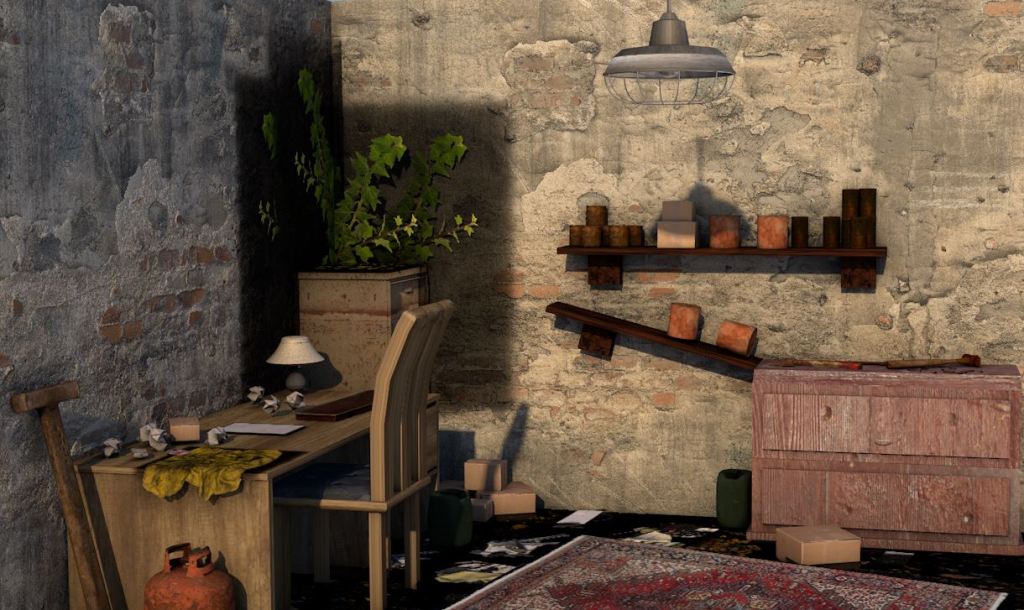
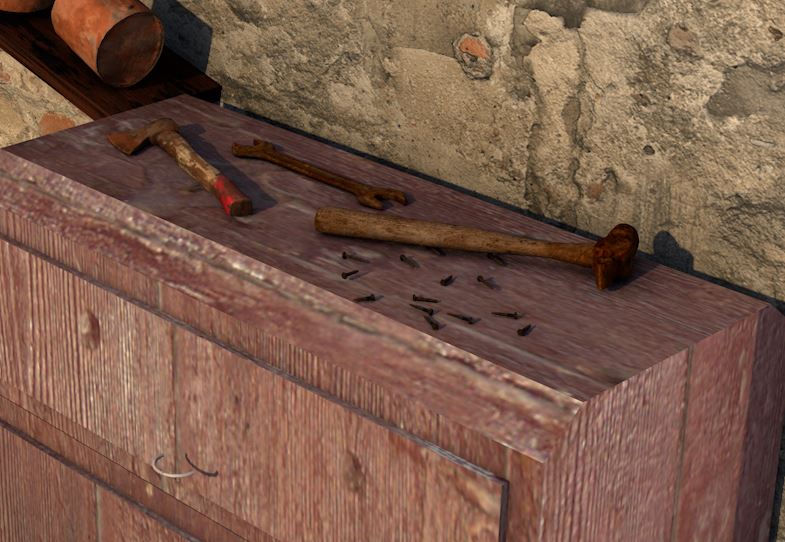
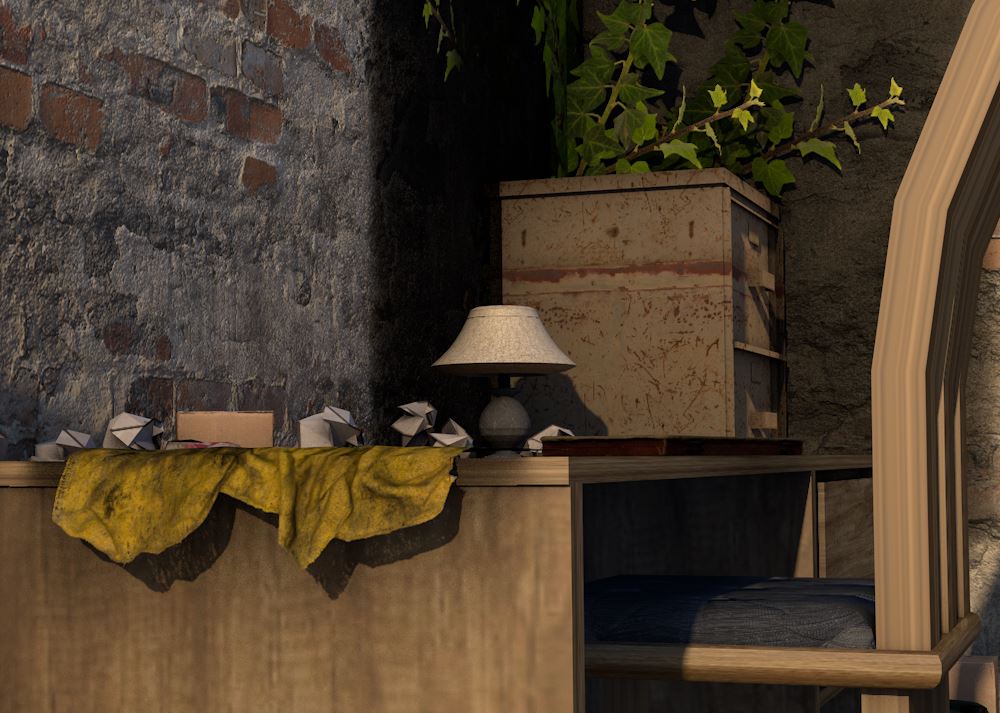
Because of the genre of game i am creating i knew that the colours would be limited to dark, natural tones and textures, this was so when they were combined together they’d influence the mood which i was trying to portray in my interactive environment.
Did you use the tools at your disposal effectively?
The main tool at my disposal was the Macs at the college, which I used for nearly everything in this unit, ranging from conducting research to modelling my project assets, so in my opinion I used the tools effectively as they allowed me to achieve something.(Other than using the Macs I used my computer at home to finish off any work)
Challenges and limitations encountered?
The biggest challenge i came across was when i first began the modelling stages of the project as originally i had little experience in the programme but over time i began less and less limited in what i could achieve.
Why did you make certain decisions and what was the impact?
A decision I made early on into the project involved the aesthetic/art style of the entire game environment, although I like to look of low poly, bright coloured games and would enjoy modelling for one.I knew it that the post apocalyptic environment I had chosen to create meant that the art style of the game would have to correlate with its gameplay and tone.
What was your strongest area during the project?
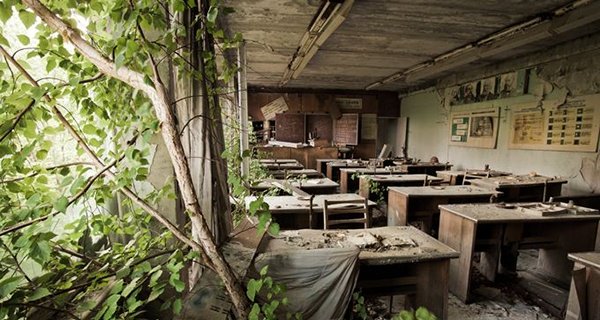
My strongest area of the project was when I was tasked with creating the story behind the game.I put time into researching examples of ‘end of the world scenarios’ and the aftermath(s) they leave behind. I found one which would fit with the story of my game and then chose the location to set my game, and looking into architecture of Seattle, Washington. This helped me create an image in my head of what the apartment environment would look like today, i then used my research on the abounded buildings in Chernobyl to picture what they’d look like 10 years after nuclear warfare caused firestorms across the US.
What part of your work could you improve on?
Overall organisation of my Cinema4D assets, what i mean by this is making better use of the nulls and select and group, also next time i need to delete the copy made of an object once i bake it, so i tiding up as i go along
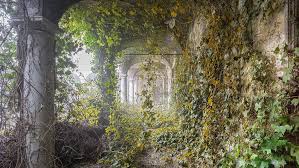
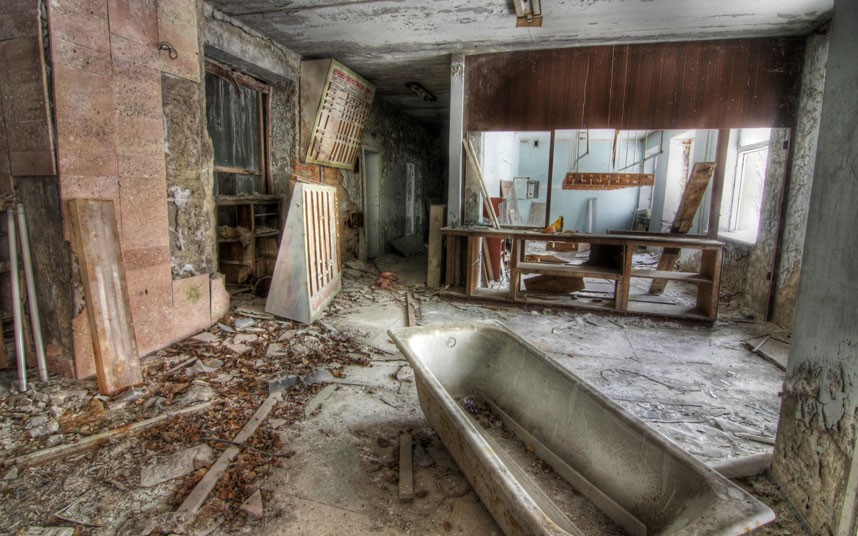
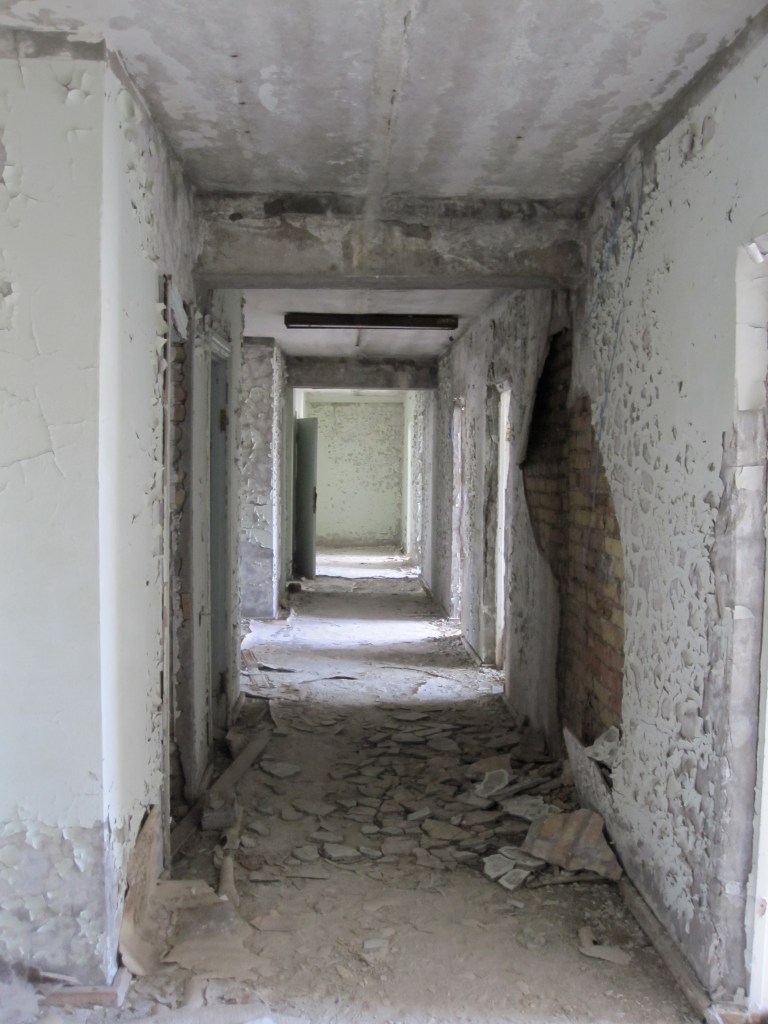
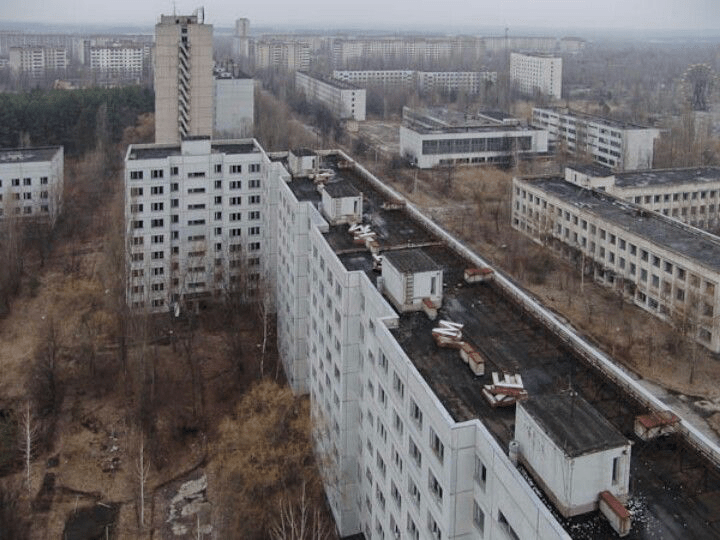
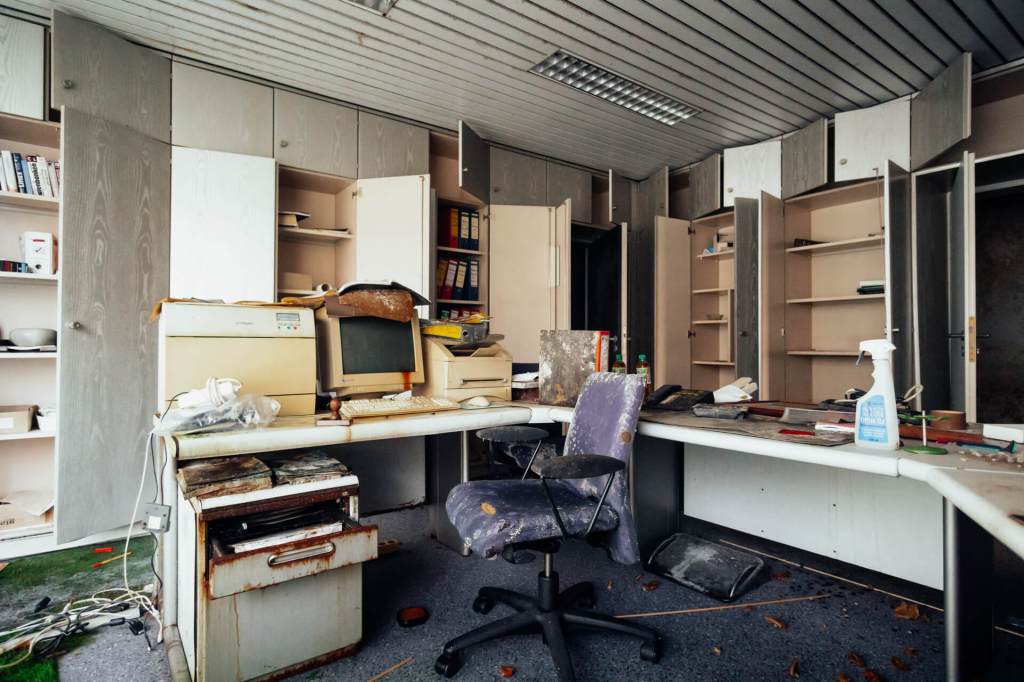
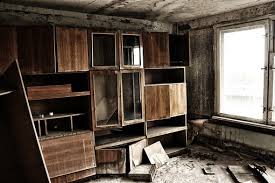
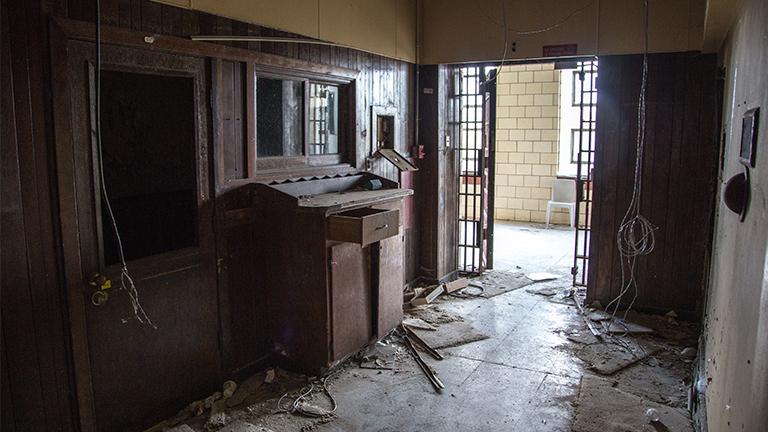
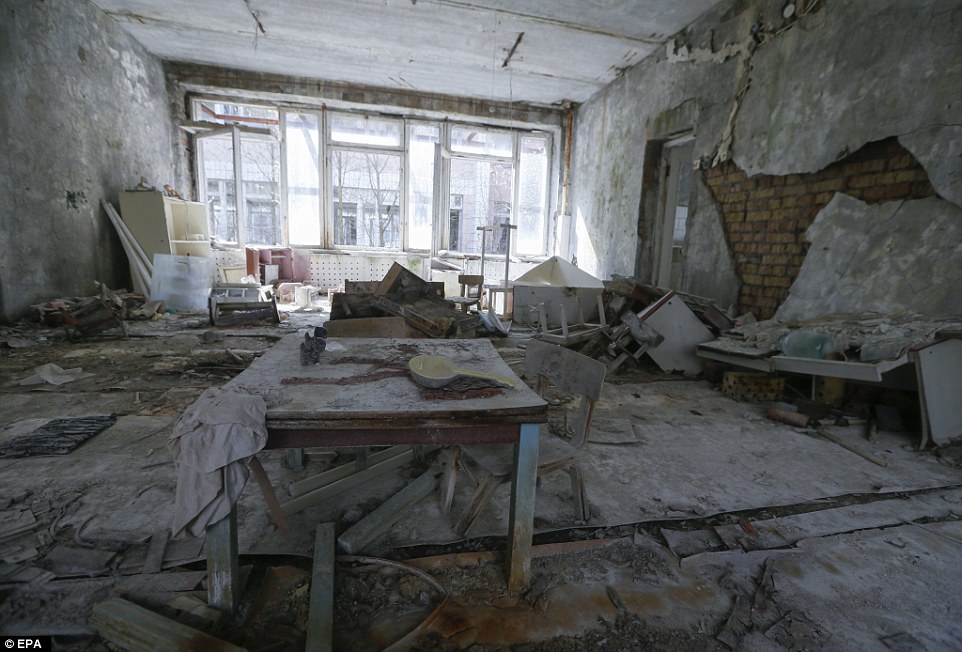
Image reference for level design.
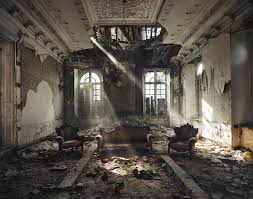
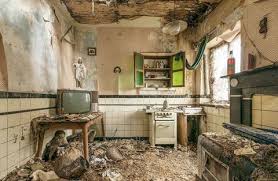
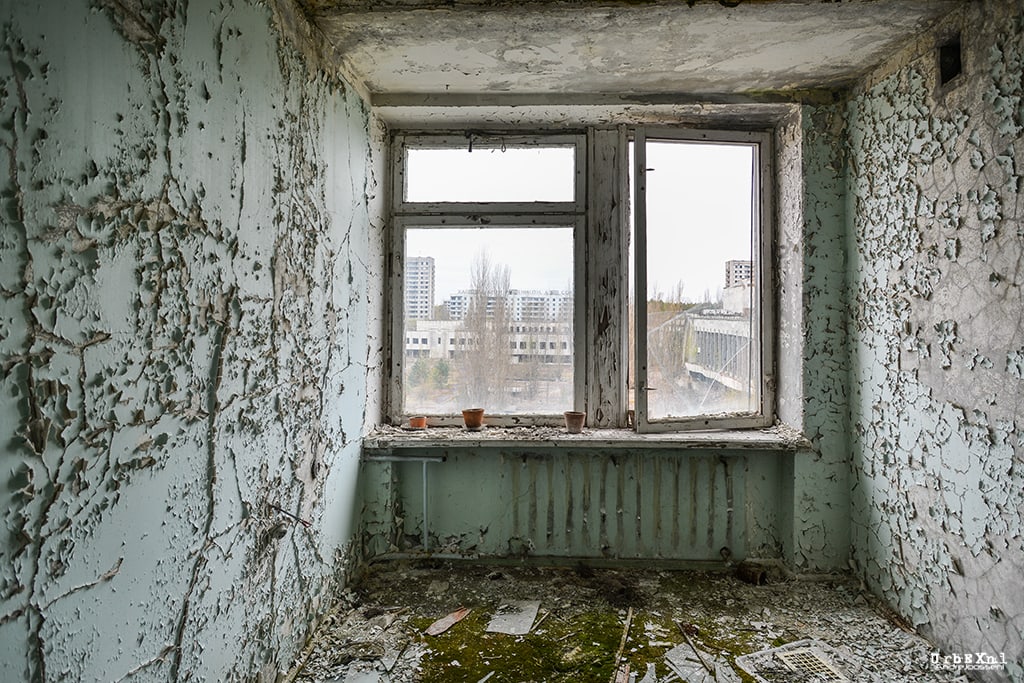
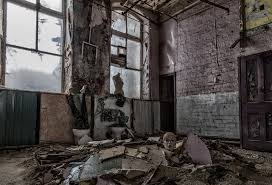

Lighting reference.
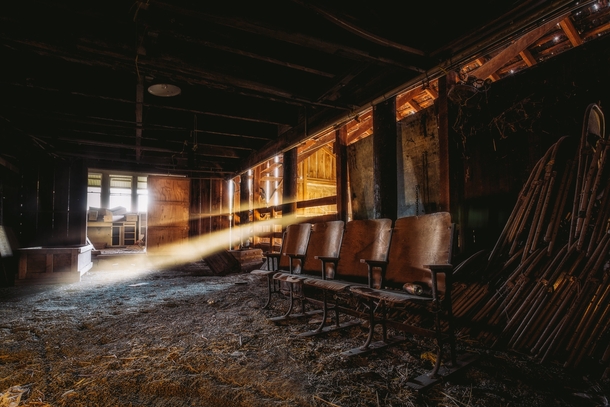
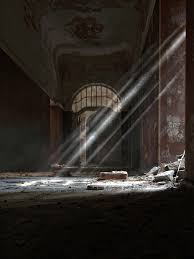
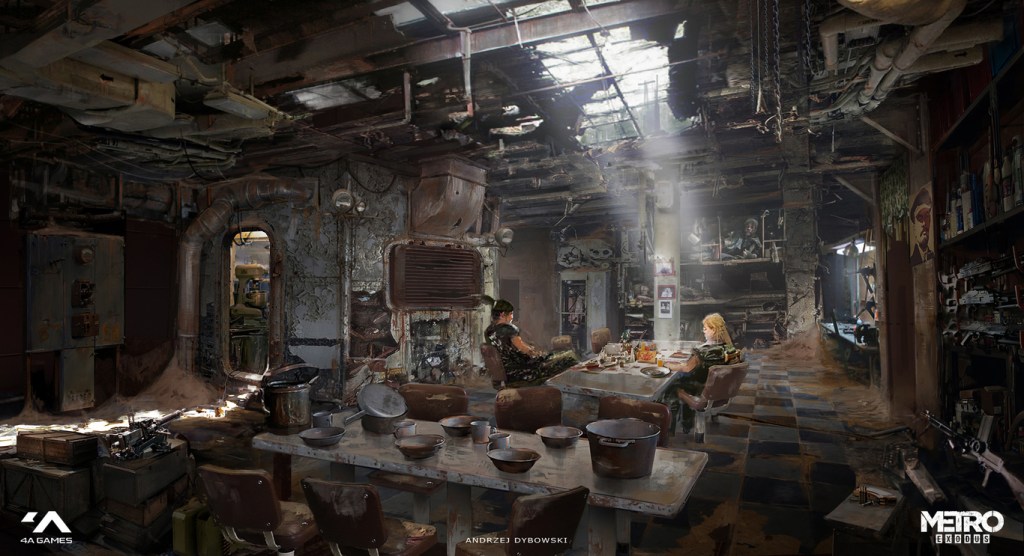

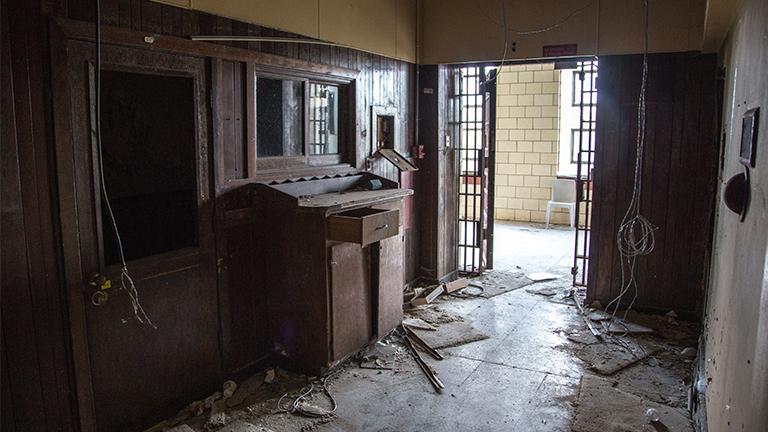
Asset reference.
Developing the lighting technology for The Last of Us
Engine programmer at Naughty Dog-Michał Iwanicki
Since The Last of Us takes place in a post-apocalyptic world, there’s almost no electricity, therefore theres no artificial light sources. Because of this the majority of the lighting in the game comes from the sun and the sky, so most of the environments are lit just by bounce lighting. “There was a very strong art direction: we wanted to show the beauty of this lighting, its softness, how it interacts with different surfaces, the soft shadows it creates.”

Although, all the lighting is very soft, there is still a very clear view of all the surface details.
Character interactions with lighting
Its very important that a character casts a believable shadow onto the nearby surfaces and objects so that it looks like its an actual part of the environment, not something added later on. (although usually it is)


Game Environment Details
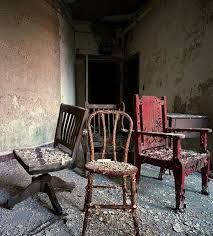
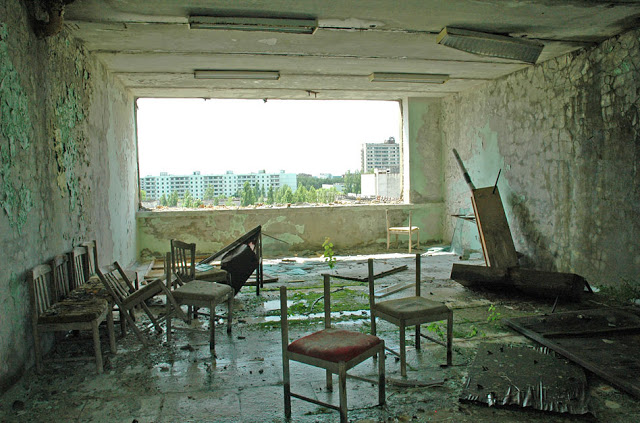
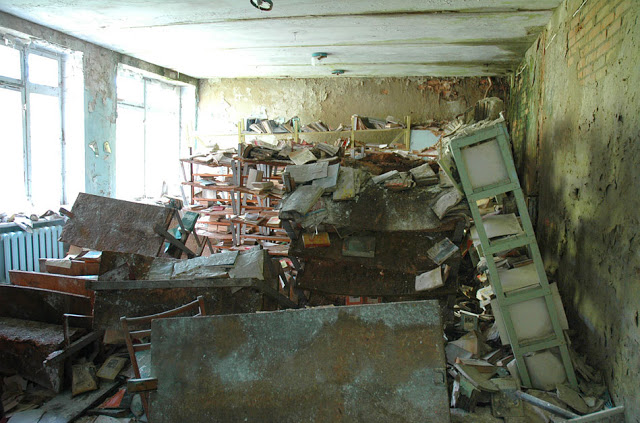
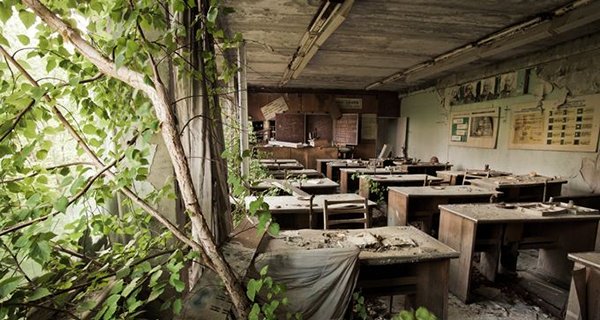
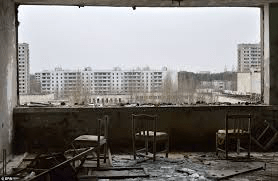
Level design influenced by the abandoned buildings in Chernobyl.
Polissya hotel:
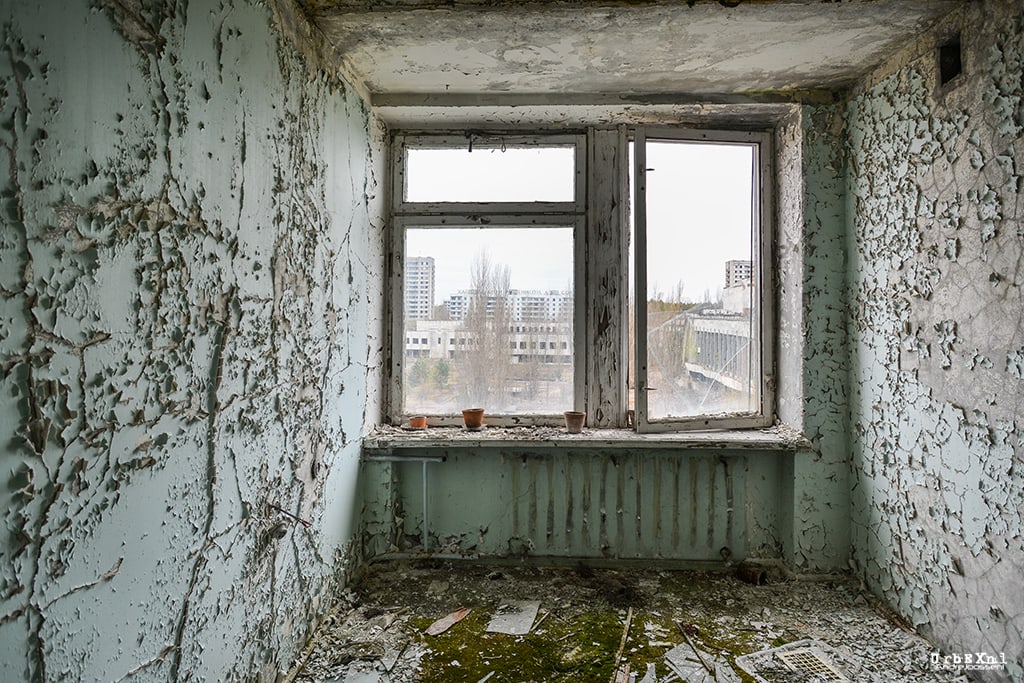
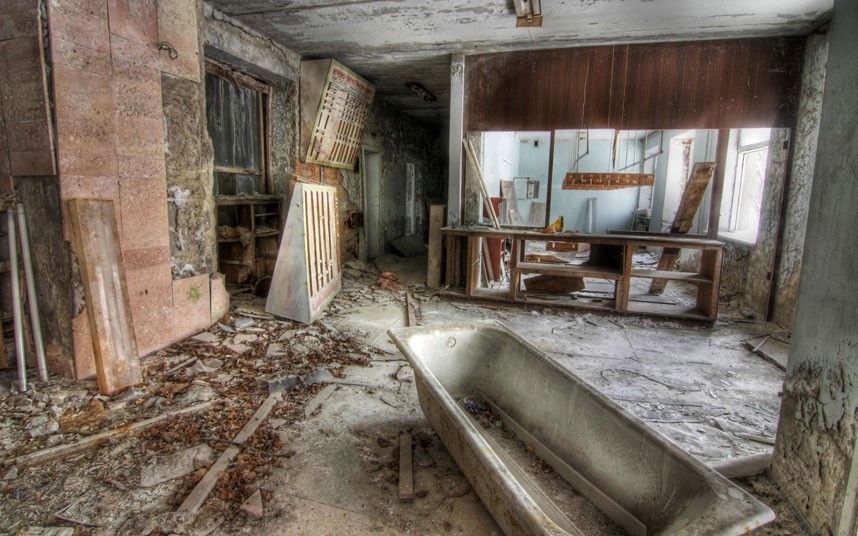
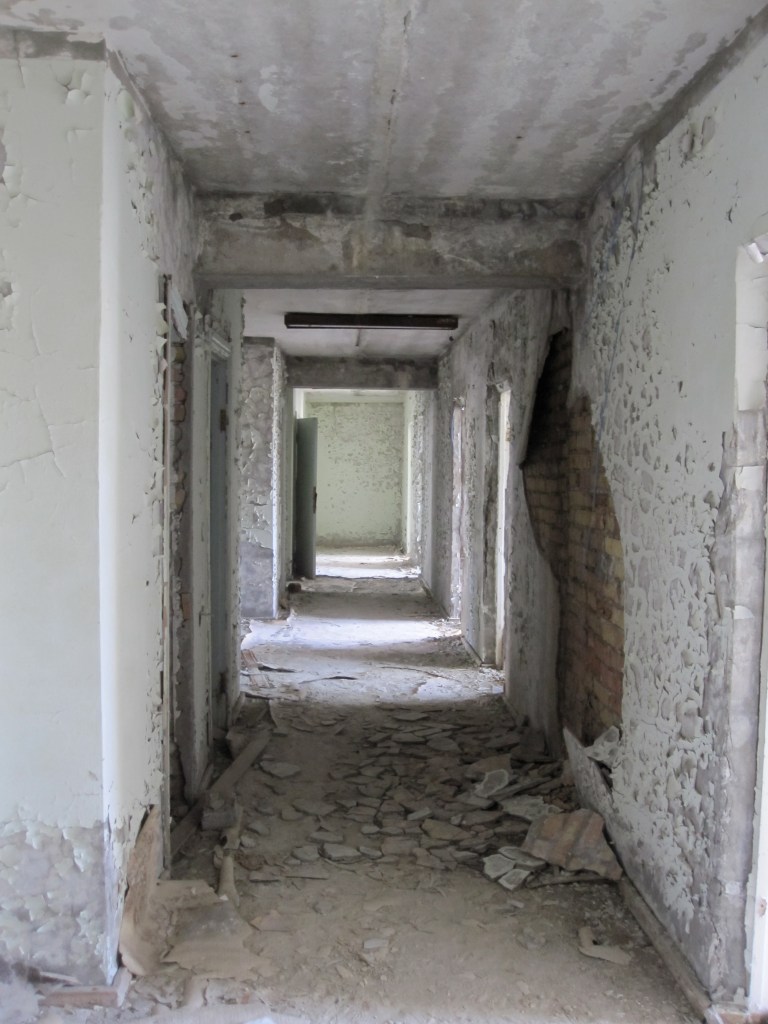
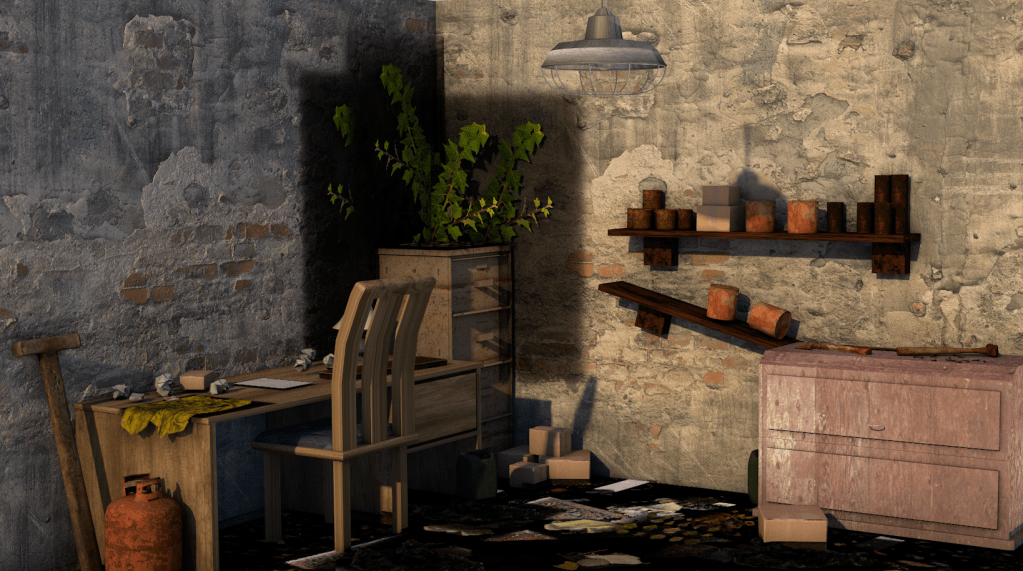
Aim for my initial level is to recreate a similar look to the images above for my game environment, developing assets similar to the furniture and debris currently left in Chernobyl just more westernised and modern. Because the aim is to develop a level located in post-apocalyptic Seattle.
Starting to create assets
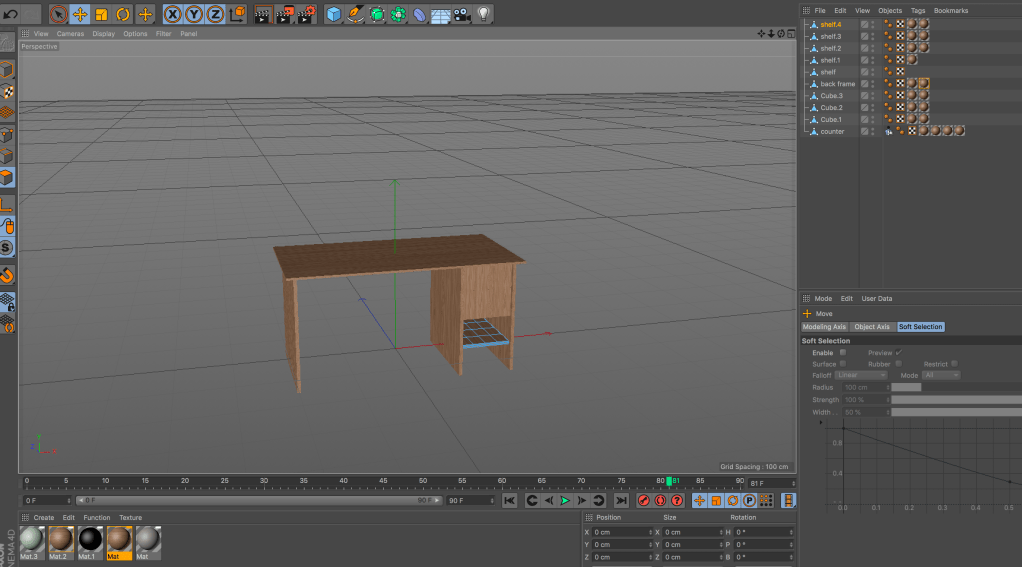
The desk only has a basic wood texture currently yet I’ve planned to add wear/damage + a grunge effect over all the models in the scene.
Planned Assets
Floor boards/wooden planks
Over head lighting – most likely going to be primary light source
Chair
Cloth/sheet to act as whats left of the curtains
General clutter; paper/books, rubbish, debris, bottles etc
Vines/ leaves beginning to grow inside the rooms.
RESEARCH
How 3D objects are created in games.
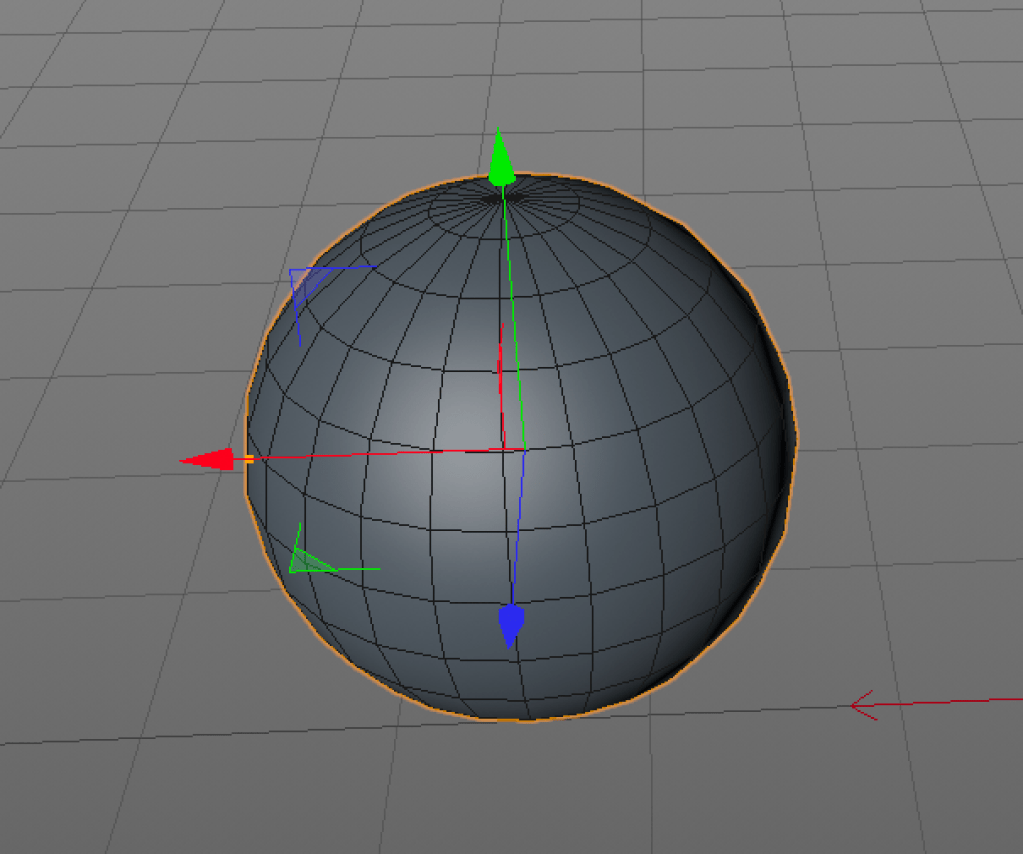
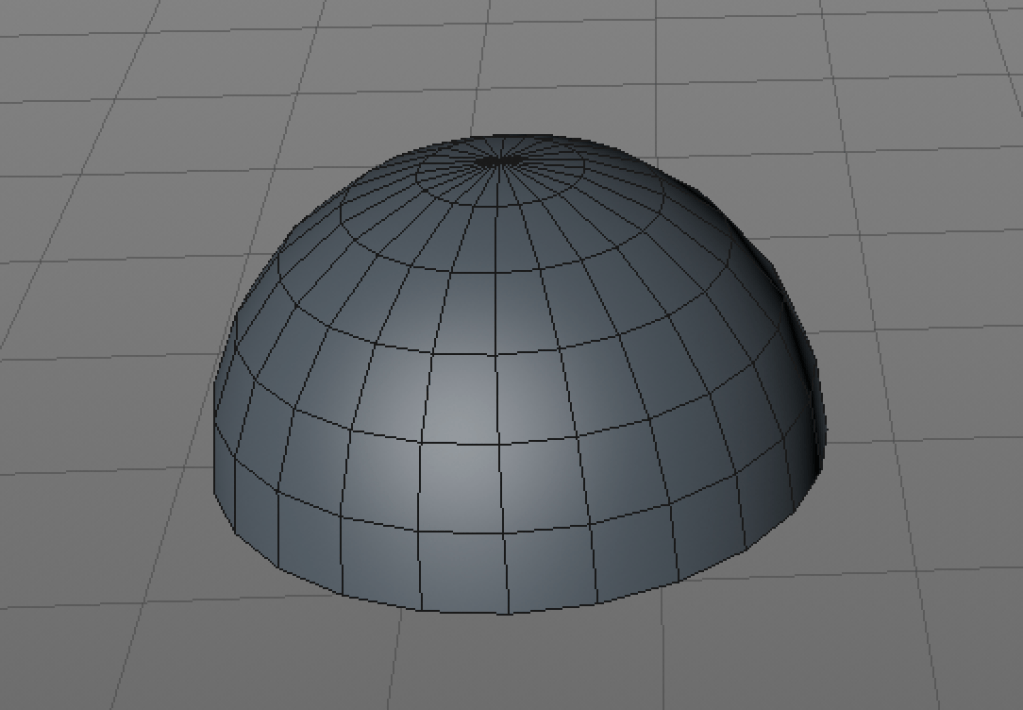
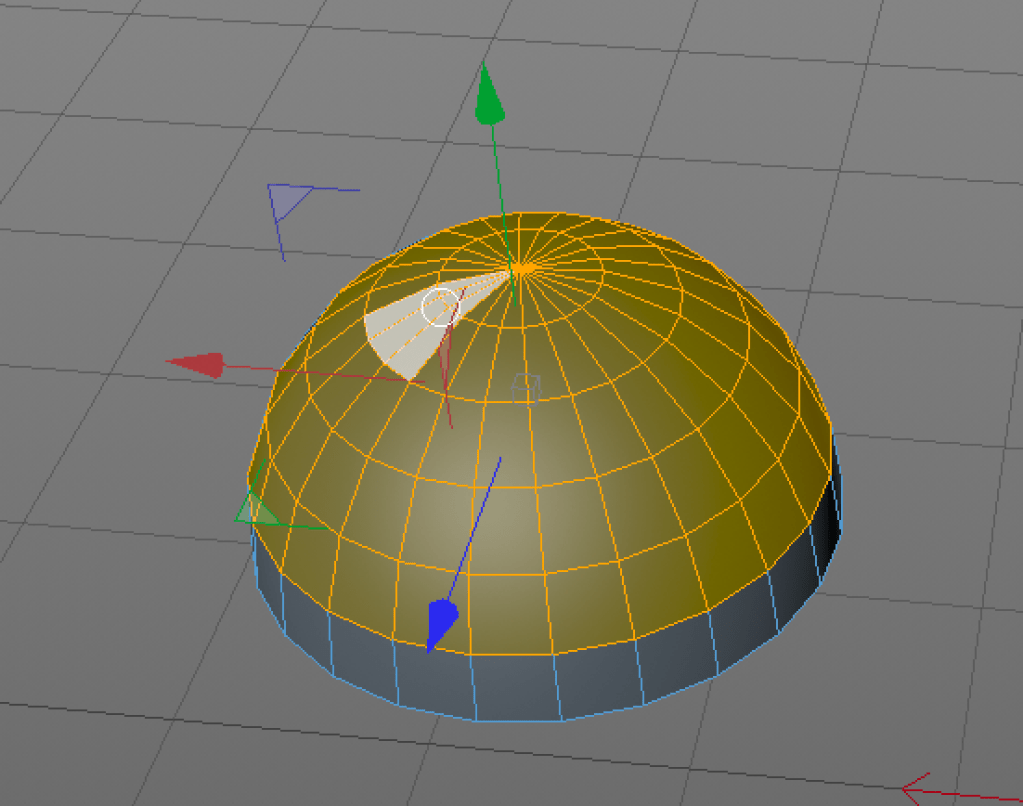
The vast majority of of 3D objects created for games are made up of polygons. A polygon is an area defined by lines, to have a polygon you must have at least three lines. These lines connect to a series of coordinates in the three dimensional “space” the computer creates the point where the lines connect is known as a vertex. Each vertex has X,Y and Z coordinates.
Once each polygon has a set of vertices to define its shape, it needs information that tells it what to look like. There are four common ways to do this;
Flat shading:
A single colour is assigned to a polygon. It is very simple and fast, but makes the object look artificial.
Gouraud shading:
Is more complex then flat shading because, colors are assigned to each vertex and then are blended across the face of the polygon. Since each vertex is typically associated with at least three distinct polygons, this makes the object look natural instead of looking artificial.
Phong shading
Improves upon Gouraud shading. Whereas Gouraud shading interprets colors by averaging between the vertices, Phong shading averages each pixel based on the colors of the pixels adjacent to it to create smooth surfaces.
Texture Mapping
Mapping requires the use of another image. Essentially, this other image is stretched over the object like a skin. This technique allows for games to have incredibly detailed 3-D environments that can be interacted with in real time.
Interview with lead designer of the Fallout New Vegas – Josh Sawyer.
https://www.theguardian.com/technology/gamesblog/2010/nov/10/fallout-new-vegas-interview
When asked “What do you think are the key elements of any post-apocalyptic story?“
Sawyer mentioned a few key points such as; the physical world in ruin is an “absolute must”. Even if there are piston pockets, the world we know has to be broken apart.” This can be reflected in nature: blasted trees, mutated plants, cracked earth, bizarre weather. It can be most strikingly shown through the destruction of everything humanity has created: Sawyer included that this with details of having critics in ruin, highways of empty cars, skyscrapers with every window blasted out.
According to Sawyer this ruin has to extend to human society, the world has to be socially and physically in shambles, with people living in small communities having very few organisations of any significant size in the wasteland.” Fallout: New Vegas shows post-2077 society at its most structured and ordered, but the Mojave Wasteland is still engulfed in chaos and warfare. Without order and under duress, human nature quickly turns very bleak.”
What do you think have been the key apocalyptic influences behind the Fallout series?
Sawyer mentioned there being a huge number of influences, but some of the more obvious were the Mad Max series, A Boy and His Dog, The Omega Man// I am Legend, and the documentary summaries of the Cold War era.
Art style of the Fallout series and the inspiration behind it
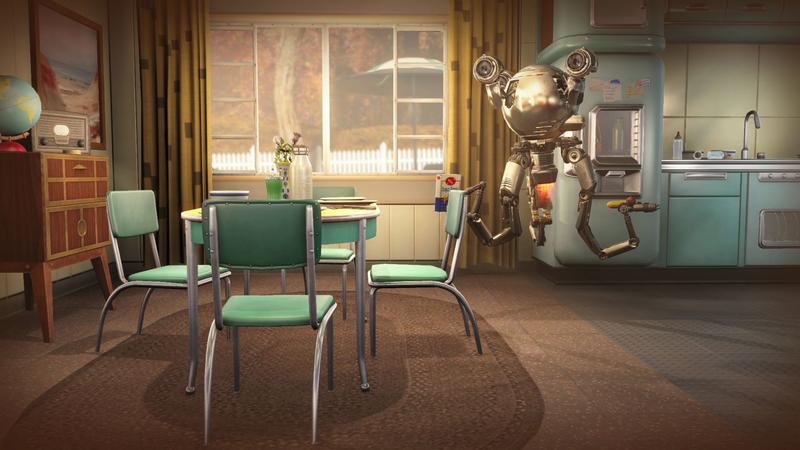
The series art style is heavily influenced by a unique brand of 1950s retro-futurism that was established in the original Fallout. “In Fallout: New Vegas, our lead artist, Joe Sanabria, pulled heavily from the Googie style which was very popular in the art and architecture of late 1950s Vegas.”
Googie style architecture
Ultramodern architectural style popular in post WWII American futurism. Its a style built on exaggeration; on dramatic angles; on plastic and steel and neon and wide eyed technological optimism.
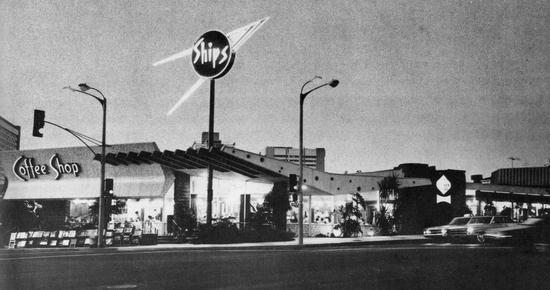
Googie style was a popular branch of 1950s Retro futurism
Retro futurism is evidence of what people of the past envisaged the future to look like. Made up of popping neon colors, svelte steel, curvy geometric shapes, and as much glass as possible, the designs are now laughable from the perspective of the present.
Fallout 4s art designs take on 1950s futurism seems to be that of an alternate history. The Art Deco stylings of interior decorating to the retro-futuristic technology of robot butlers is reminiscent of the ideas people had of the future.
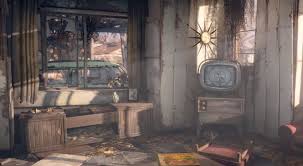
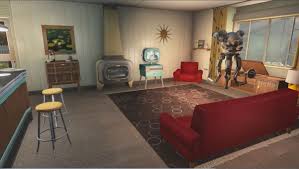
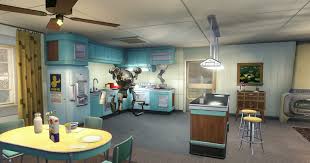
Lighting study
The lighting choices you make when developing your determine the mood for your game Lighting is one of the most influential roles in your game’s world and can make or break the visuals.
Interactive lighting
Almost every modern game is interactive, meaning that the lighting can often change based on the character’s actions. For instance, the player may have the ability to shoot out a light and completely alter the game world instantaneously. The lighting in a scene can also change simply based on the player’s current position and perspective in the game. If the player moved to a different spot, they’d see reflections and light rays very differently.

Lights in games are typically created by the many different built-in light tools found in the game engine. One of those tools is the ability to bake lights on to the materials in order to save render time.
Light has a drastic effect on the feel of a game; it determines how a player interacts with and views the world they’re playing in. For instance, look at a horror game. There’s always a specific lighting technique used throughout the game to help achieve a sinister and ominous feel to keep the player on edge. The lighting is much darker with deep shadows for creatures to hide in. Sometimes the light may only be coming from the flash light the player is holding, giving the player complete control of the lighting.
Establish a Light Source
Establishing light for your game is determining the light source. These sources can vary whether it’s the sun, moon, a street lamp or a light on the ceiling etc.
GAME IDENTITY:
Post-apocalyptic/doomsday scenario based survival game which is set in and after the 21st century.
DESIGN PILLARS:
Fully immersive survival experience, forcing players to explore the wastelands resulting in them having to scavenge in order to survive.
Designed and based off of the abandoned ghost towns of Chernobyl’s disaster zone years after the fallout occurred.
Players need to feel isolated in this now destroyed wasteland.
GENRE, STORY, MECHANICS SUMMARY:
Genre: Post-apocalyptic, open world action-adventure survival game.
Research for story – possible apocalyptic scenarios. NUCLEAR HOLOCAUST
Nuclear holocaust, A nuclear apocalypse is a horrific scenario where nuclear weapons cause widespread destruction and radioactive fallout, collapsing all civilisation, making some or all of Earth uninhabitable. Casting any survivors into darkness, with complete government shutdown and nationwide riots in whats left of the streets.
Consequences of nuclear warfare; Firestorms, these are very intense and destructive fires which attains such intensity that it creates and sustains its own wind system, this would be a direct result of nuclear bombing. Nuclear winter, a severe and prolonged global climatic cooling effect which will occur after the firestorms. The idea of a nuclear winter comes from the hypothesis that such firestorms can inject soot into the stratosphere, resulting in it blocking any direct sunlight from reaching the surface of the Earth dropping the temperature rapidly. Radiation sickness, is a result of over exposure to ionising radiation. This radiation then damages the stomach and intestines, blood vessels, and bone marrow. Most people who die from radiation sickness are killed by infections or internal bleeding. Temporary loss of modern technology would also occur as a result of electromagnetic pulses.
Story perspective: Based in Eastside Seattle, Washington.
Based 10 years after the nuclear fallout and firestorms caused by large-scale nuclear warfare spreading across most of the western world, those lucky enough to survive the initial bombings are now cast into darkness as they’re forced to live amongst the aftermath. The streets of Seattle are starting to become more overgrown and run down. The first phase of riots which occurred in the first days after the fallout left most of the city ransacked by raiders. The now collapsed skyscrapers and burnt-out suburbs have been divided into territories, creating a mini-scale civil war amid the gangs and private armies who live in whats left of the Seattle streets. Due to the total shutdown of all government services and buildings law has been thrown into the hands of the citizens. In the wake of the oncoming catastrophe everyone left without second thought leaving behind whole lives and businesses its in these places where the resources needed to survive must be scavenged. The highways leading out of the city are now littered with vehicles as people rushed for a chance at safety in the surrounding Evergreen forests.
GAME MECHANICS:
Mouse Dexterity – The player must move the mouse in a specific way without making errors. Unlocking locked doors and crates in game.
Scarce Resource – There is an easy way for the player to fight enemies, but ammo and medical supplies are scarce, making sure the player balances their resources and uses them effectively.
FEATURES:
Use of a Geiger counter to detect locations of radioactive sites and enemies, louder and more frequent the crackling the bigger danger risk there is or the stronger the enemy(s).
INTERFACE
research into similar titles in game interfaces:
How We Made The Last of Us’s Interface Work So Well
https://kotaku.com/how-we-made-the-last-of-uss-interface-work-so-well-1571841317

” There were eight months left in development of The Last of Us and while some of the UI elements had already been roughed out, an overall design of the HUD (heads up display) had not been established.”
Due to the short time frame it was challenging to have a ful UI developed in time, therefore details such as the user interface, because of this in the end of development Naughty dog took on a second designer.
” The pipeline we found worked the best for us was wireframe, implement, iterate, and then style and polish. “
UI design roadmap for The Last of Us
ORIGINAL DESIGN

This original design was used for the official E3 release demo.
WIREFRAMES

When Neonakis built the wireframe her main focus was on how the UI felt and functioned and didn’t focus on how it would look until it was perfected.” If you can get something to feel right, then you can dress it up however you want later.” Her reasoning for this order was due to common complaints about games UIs as people mainly complain about it cluttering the screen, and/or that it feels clunky to use.
ONE OF MOCKUP DESIGNS

“Early mockups showed a menu system where the player could swap weapons out and also upgrade them. I initially wanted these systems to appear together on the same screen. My reasoning for this is that when additions like upgrades are designated to their own screen, I have a tendency to ignore them until I absolutely have to use them.”
Implementation
Later on after weeks of implementing designs back and forth on photoshop the following was added.

The upgrades tab was then moved over to the other tab, removing any cluttering of the screen.

Final Design and Skinning

“The final design would require separating upgrades completely from weapon slotting, but I was fine with this because it wasn’t worth keeping them together if it meant compromising how it felt to play the game”
For the user interface of my game a similar design to The Last of Us own final user interface would be suitable, although changes would be made to allow for a 3rd tab to be used as a “bank” for a players items they collect as the scavenge across the open-world.
The game will be played through a first person perspective, giving players a hands on view over the resources they hoard and craft with, this will also improve gun play/combat i feel as personally i prefer first person games rather than 3rd.
SOFTWARE
Cinema4d, unity engine, logic
ART STYLE
My end goal is to a achieve a similar aesthetic to titles such as far cry 5 which arguably has one of the most recent high end photo realistic cinematics and graphics.
In-text: (Averkin, 2019)
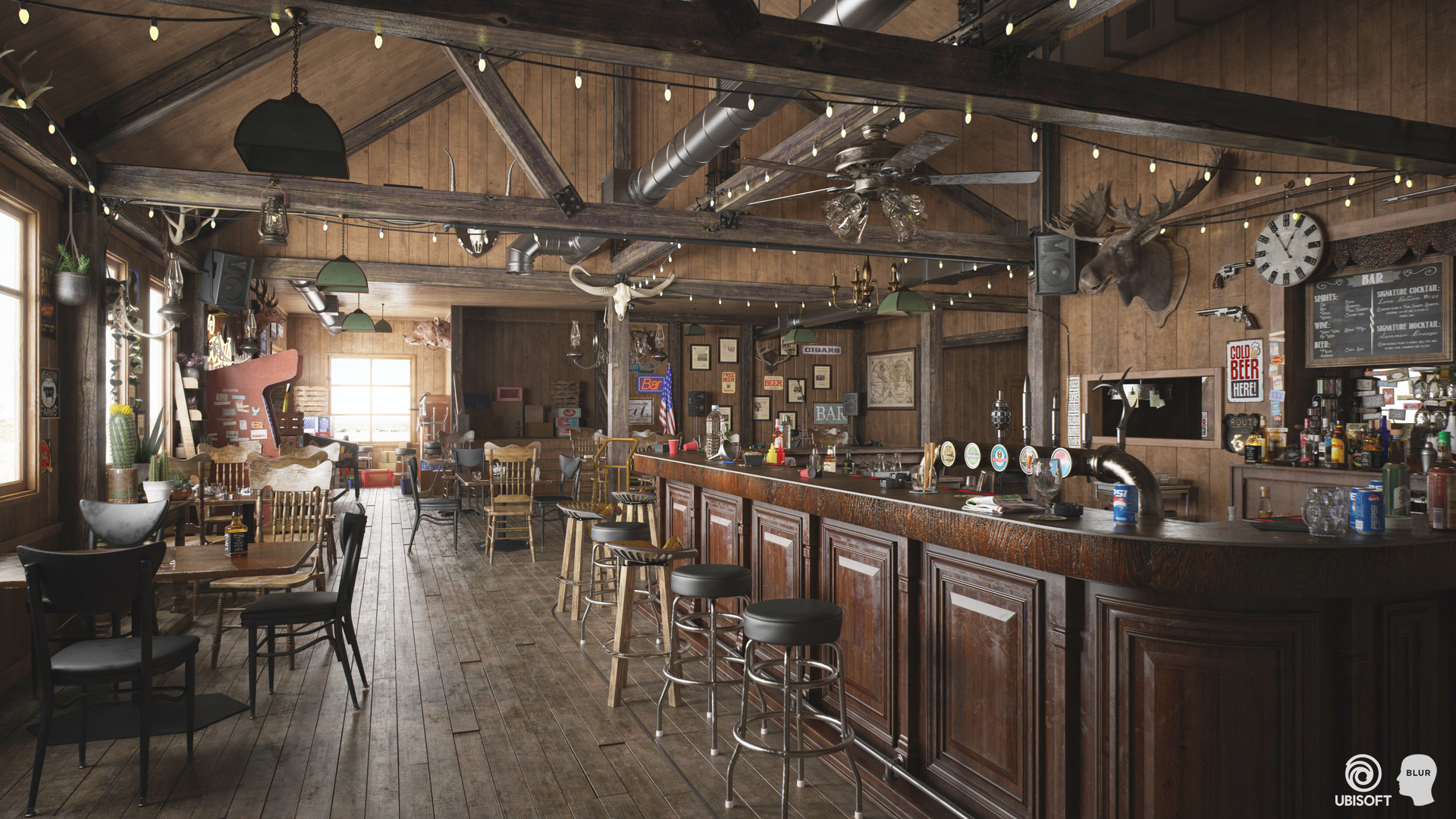
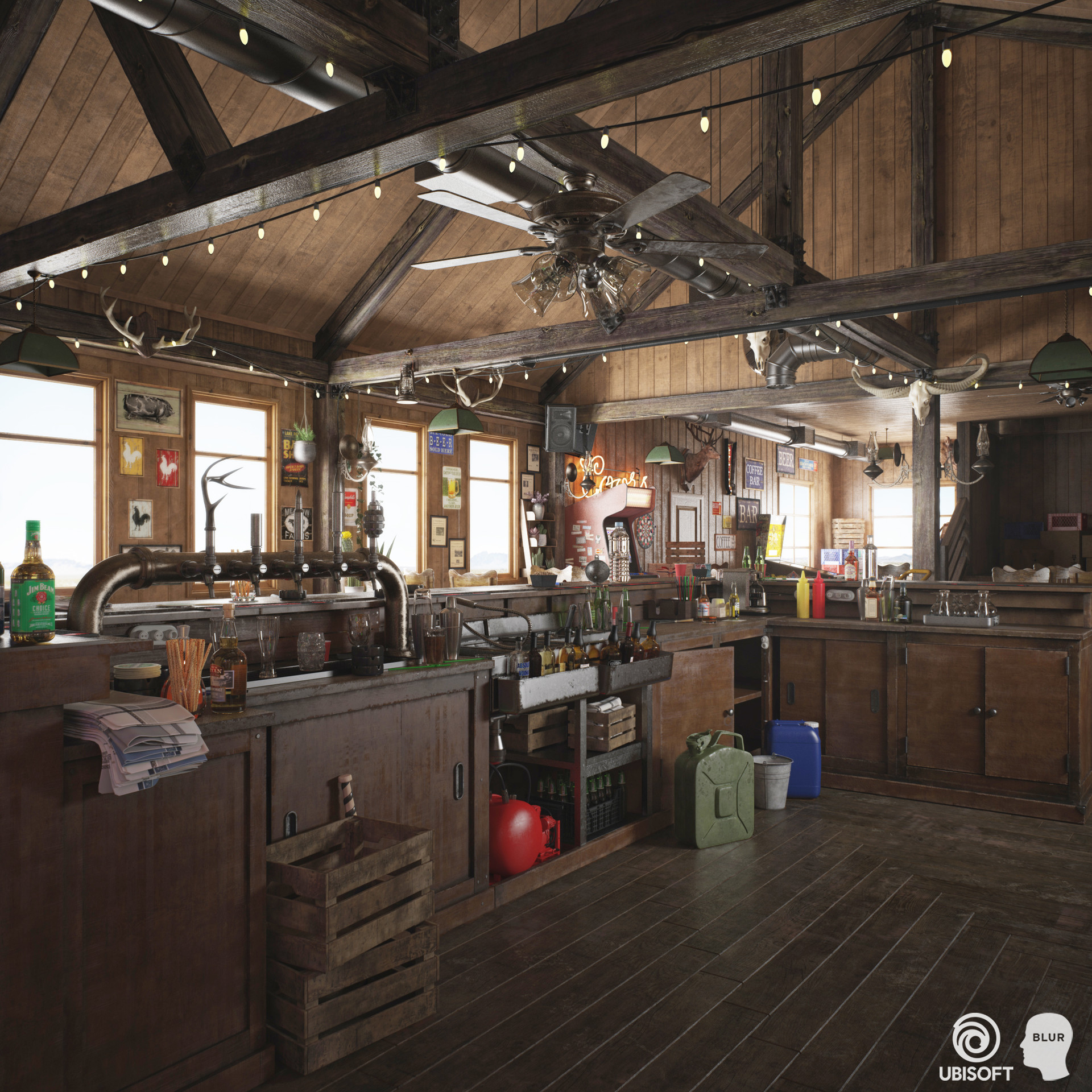
Averkin, A. (2019). Andrew Averkin – Far Cry 5: Bar Scene. [online] Andrewaverkin.com.
https://andrewaverkin.com/projects/mGbny
Renders from the Mary May cinematic (Far cry 5)
“During the process of creation this scene, I decided to use day lighting in order to easily make bunch of tests and to see how everything – objects, lighting, small details and materials will react on each other and work together.”
“At the end, Blur team made big magic at look development stage and made beautiful night lighting which you can see in final cinematic.”
Renders before Blur team.
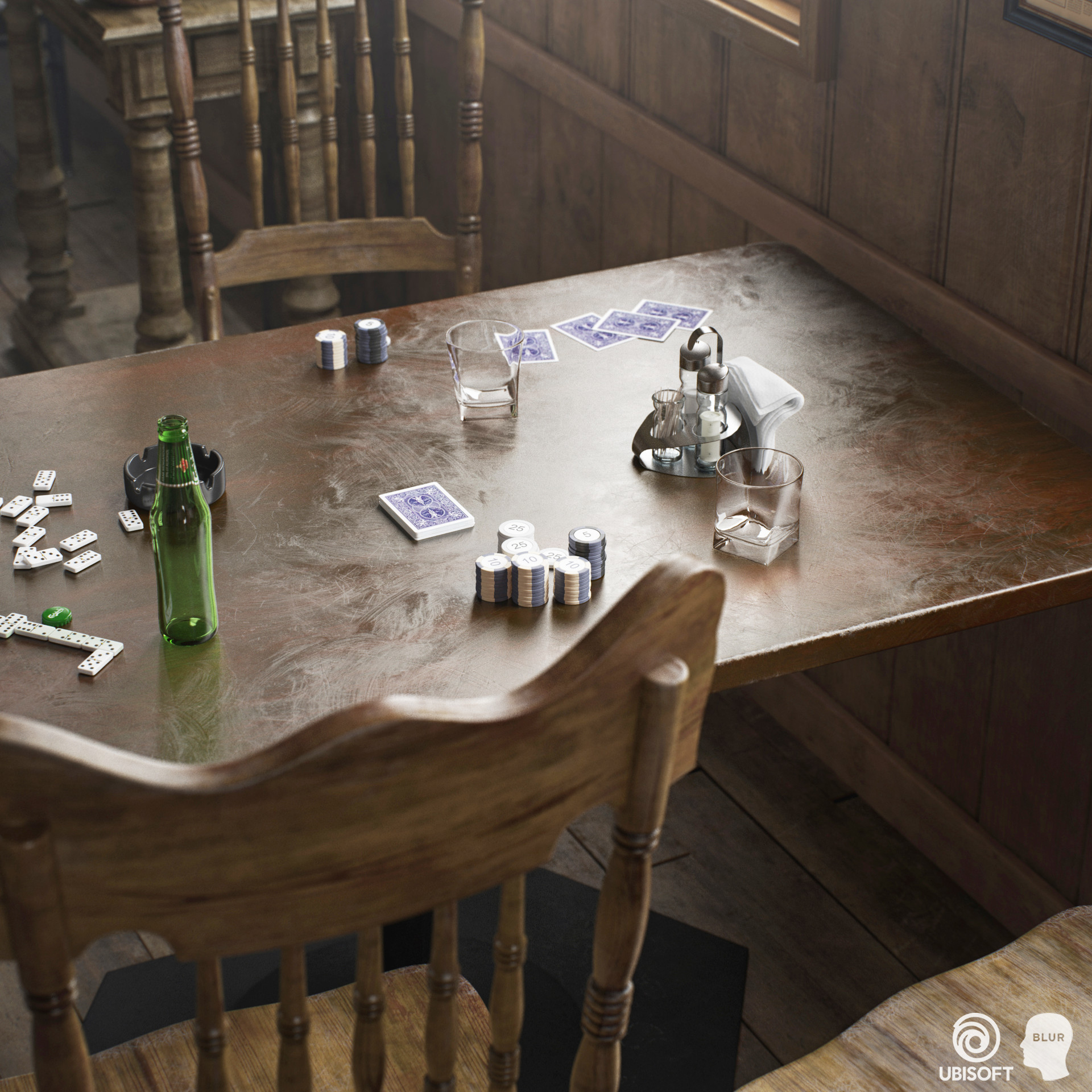
FINAL CINEMATIC (2017)
However Far Cry 5 is built on the same engine behind the last few of its previous games, the Dunia engine.
Photo-realistic games built on Unity engine.
Escape from tarkov, build on unity 5

PLATFORM
PC/MAC
 Finn's Blog