Studio sound recording:
A specialized facility for sound recording, mixing and audio production of instrumental or vocal musical performances, spoken words and or other sounds. These facilities range in size from a small in-home studio to project studios (large enough to record a full orchestra). These spaces are designed by an audio engineer to achieve optimum acoustic properties. The sounds are recorded in a controlled environment.
https://en.wikipedia.org/wiki/Recording_studio
Dead Room + Live Room
A dead room is free and clear of ambient noise, such as wind, the room is heavily padded out, making it soak up any sounds made in the room (so as not to hear an echo)
Why and How to Make a Live/Dead Room for Recording
A live room is similar to a dead room however a live room has a longer reverberation time, whereas in a dead room there is a short reverberation time, live and dead rooms are complete opposites to one another.
Location sound recording:
When a recording crew record the sound from a real life sample, for example recording the sounds of the lions in a zoo rather than digitally creating a sound effect of the lions. The recorded production sound track is later combined with other elements; effects, music, narration, foley or re-recorded dialog.
Ambient sound:
Ambient sounds are the background noises that are present at any given location. Rain, traffic, birds, muffled voices, air-conditioning units, and the sound of a distant train are all examples of ambient sounds.
Sound effects:
An artificially produced sound, reproduced from a recording to create a theatrical effect, such as the simulation of a horse’s gallop created from two halves of a hollow coconut shell being clashed together.
Foley & the role of the Foley artist:
A Foley artist creates audio effects for a film by using physical props. A Foley artist is responsible for very specific sounds. A Foley artist does not create audio for standard special effects, such as explosions or background noise from cars, instead the Foley artist deals with recreating the finer details that require a high precision. For example the rustle of a jacket as someone sits in a chair. This is because on set recording does not capture every nuance of a movements audio, similarly if two actors have a sword fight it might look real, but the clear ringing of steel when the fake swords clash will not be present. The Foley artists job is to match the ring of steel to each sword clash. Without a Foley artists work a film seems unreal and cheaply made.
https://www.chegg.com/career-center/explore/foley-artist
Music:
Vocal or instrumental sounds (or both combined) in such a way as to produce a form a media. Music can add the full range of human emotions from sad, nostalgic, tense, happy, relaxed, calm, and joyous.
https://en.wikipedia.org/wiki/Production_sound_mixer
Dialogue:
Dialogue serves several purposes. It can advance the plot, reveal a character’s thoughts or feelings, or show how characters react in the moment. Whether it’s done by narration in documentary or drama dialogue as onscreen talk delivered by characters as part of dramatic storytelling in a series or film.
Diegetic and non diegetic sound:
Diegetic sound is a noise which has a source on-screen. They are noises which have not been edited in, for example dialogue between characters or footsteps.
Non diegetic sound is a noise which does not have a source on-screen, they have been added in. For example music, voiceover, sound effects. Non diegetic sounds are often used to add drama to moments which would be silent without it. For example a narrator’s commentary over a nature documentary.
https://www.mytutor.co.uk/answers/1621/GCSE/Media-Studies/What-is-the-difference-between-Diegetic-and-Non-diegetic-sound/
Sound bridge:
A type of sound editing that occurs when sound carries over a visual transition in a film. This type of editing provides a common transition in the editing style because of the way in which it connects the mood, as suggested by the music, throughout multiple scenes.
Leitmotif:
A recurring musical idea (a melody, chord sequence, rhythm or a combination of these) which is associated with a particular idea, character or place. Leitmotifs are manipulated to match the action and mood of a scene. A well known example of leitmotif was used in jaws, the two notes played signify something threatening and getting closer and closer.
Microphones and equipment for recording sound:
Shotgun Mics:
Good for several things on a production set. They get their name from the way they record sound. You point the mic at what you want to capture and it not only gets this sound, but it grabs surrounding sound. They are also used for capturing foley sounds.
Lav Mics:
The standard mic for capturing dialogue. These mics capture incredible audio when conducting an interview for television, documentary film, or industrial video. Lavs come in a wired version and a wireless version.
Video mics:
These particular mics aren’t really for capturing the final audio for a production. They connect straight to the camera in order to capture scratch-track audio that will allow your editor to easily sync the video and high-end sound together in post.
DAW – Digital Audio Workstation:
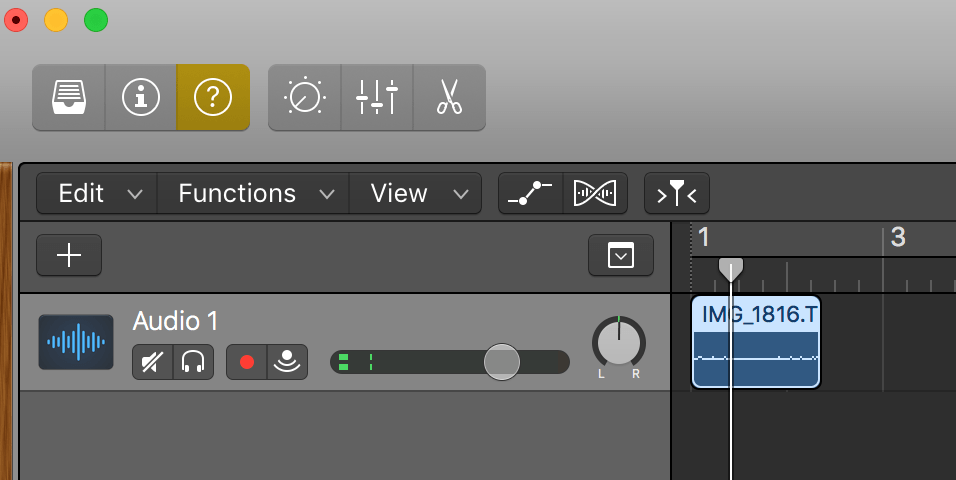
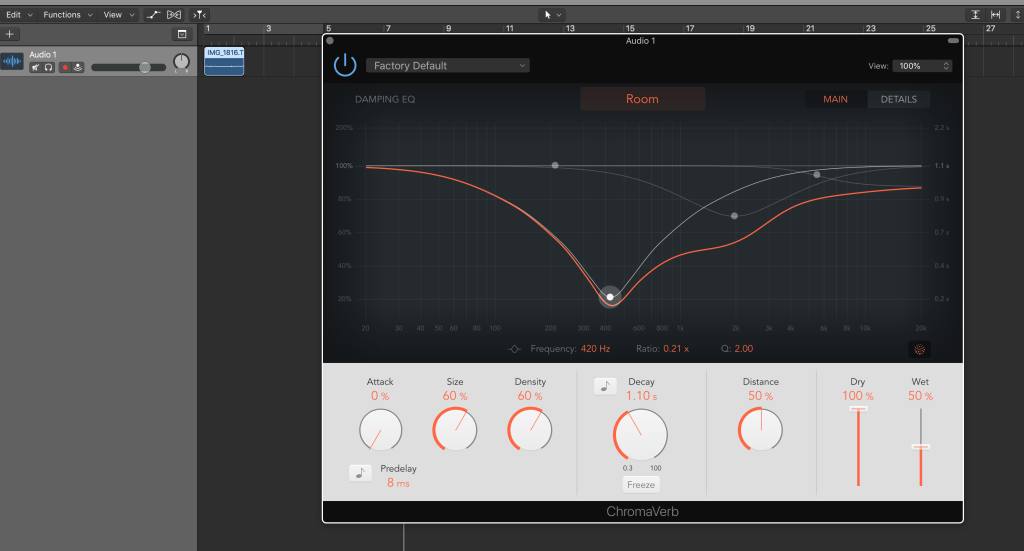
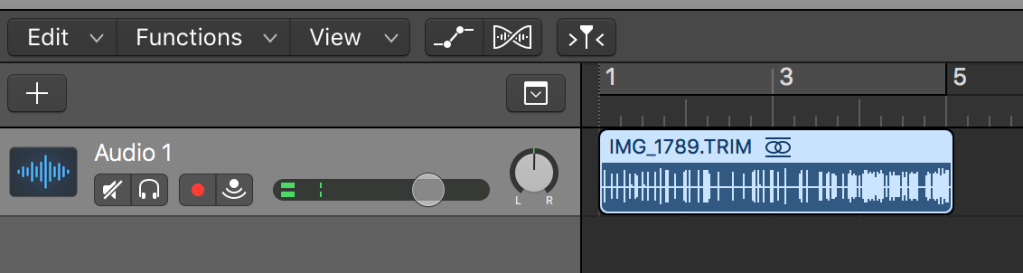
A DAW is an electronic device or application software used for recording, editing and producing audio files. The most basic DAW programme would be Garageband which is simplified.
https://en.wikipedia.org › wiki › Digital_audio_workstation
Types of audio:
Uncompressed audio formats:
Uncompressed audio consists of real sound waves that have been captured and converted to digital format without any further processing. As a result, uncompressed audio files tend to be the most accurate but take up a lot of disk space.
Audio File Format: PCM
PCM stands for Pulse-Code Modulation, a digital representation of raw analog audio signals. Analog sounds exist as waveforms, and in order to convert a waveform into digital bits, the sound must be sampled and recorded at certain intervals PCM is the most common audio format used in CDs and DVDs.
Audio File Format: WAV
Most WAV files contain uncompressed audio in PCM format. The WAV file is just a wrapper for the PCM encoding, making it more suitable for use on Windows systems.
Audio File Format: AIFF
AIFF stands for Audio Interchange File Format. AIFF is a format that was developed by Apple for Mac systems. However, Windows systems can usually open AIFF files without any issues.
Audio File Format: MP3
MP3 stands for MPEG-1 Audio Layer 3. It is arguably the most popular audio format in the world for music files.Nearly every digital device in the world with audio playback can read and play MP3 files.PCs, Macs, Androids, iPhones, Smart TVs ,etc.
Audio copyright:
Copyright is a law which gives the owner of a piece of work ( for example a song) the right to say how others can use it, whether it be through a remix of the song or to sample audio from it. With copyright a work can only be copied if the owner gives permission.
Click to access circ56.pdf
A recent example of copyright being breached involves the artist Juice WRLD being sued by a now-defunct rock band, they claimed that the rapper copied elements of their 2006 song “Holly Wood Died” which was used for the rapper’s blockbuster 2018 single without permission.Juice WRLD was sued by the band Yellowcard for $15 million.
https://www.hot97.com/news/hot-97-now/damn-juice-wrld-being-sued-15-million-dollars-copyright-infringement
 Finn's Blog