I confirm that the attached assessment is all my own work and does not include any work completed by anyone other than myself and sources have been appropriately referenced.
Finlay Mander
Entry level position selected: Full-time Junior 3D Artist
I began to look for junior entry level positions in the 3D industry, entry level positions are great for progressing further in the industry as they provide good experience and give an idea of what working in the industry is like. I came across a junior 3D artistic role at Hidden Creative Ltd. This position at Hidden Creative was “seeking a talented junior 3D artist that is capable of creating stunning high-quality hard surface high poly/low poly modelling.”
This entry level position had set requirements and responsibilities.
Key Job Responsibilities:
Modelling from image reference and CAD data
Creating tileable and mapped textures
Rigging for animation
Animation
Gathering reference for asset creation
UV unwrapping for texture and baked UV set
Key Candidate Requirements:
Proficient in Maya
Proficient in Photoshop or other design software
Proficient in Substance Painter
Proficient with rendering tools and fundamentals, (V-Ray)
Ability to create realistic and detailed textures
Ability to model and texture complex low-resolution scenes
Ability to model high resolution geometry for surface transfer
Understanding of character creation processes and Animation fundamentals
Good sense of scale, lighting and materials
Ability to create full scale believable environments
Generate and modify models based on engineering and industrial design specs
Strong sense of optimization working with varied technical constraints
Demonstrate creativity, adaptability to different project requirements
It would be advantageous to have skills in concept drawing, story-boarding
Positive attitude towards learning new skills and techniques
Application:
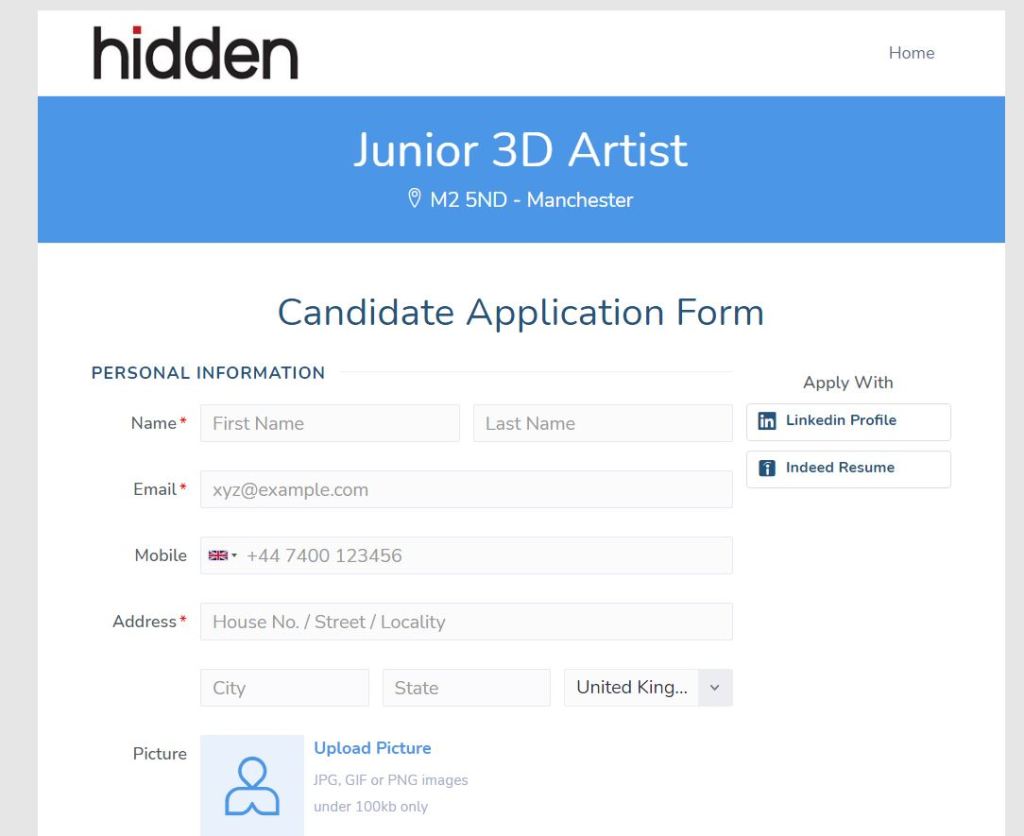
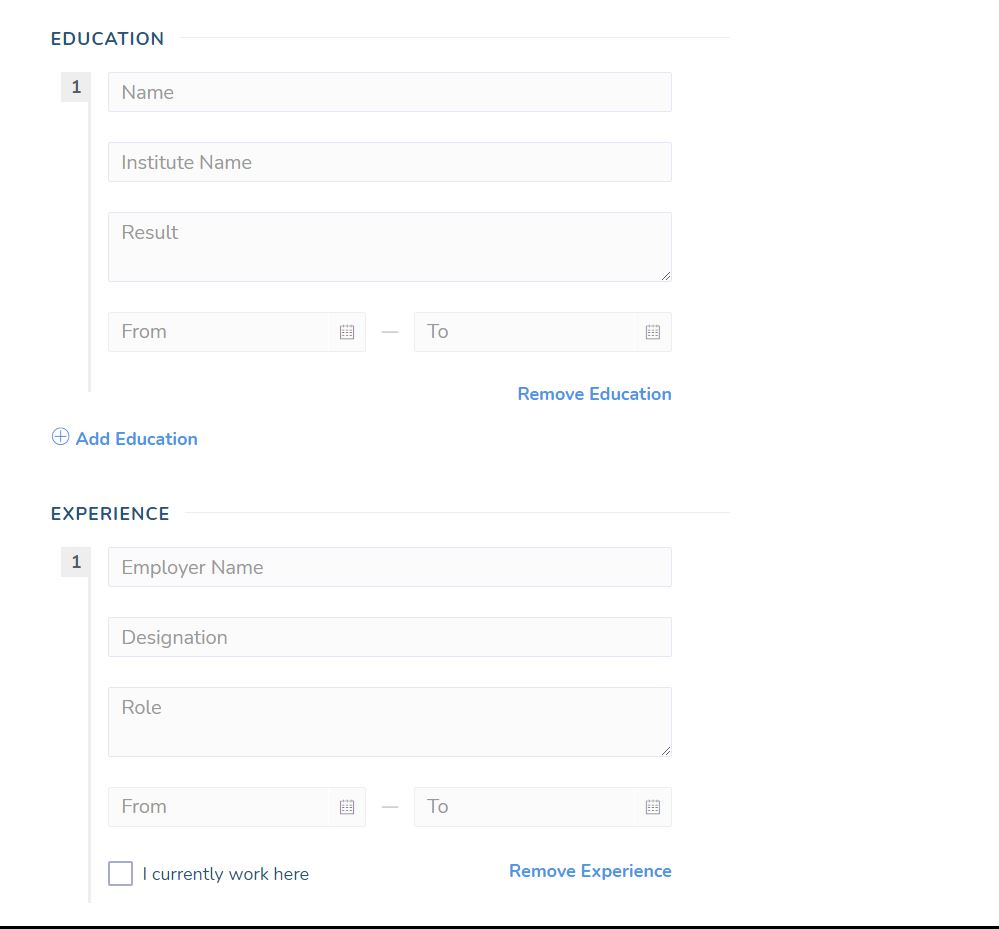
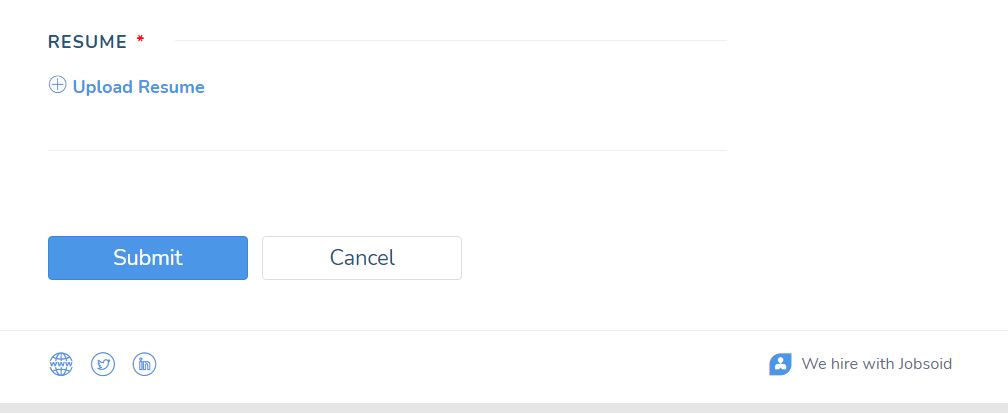
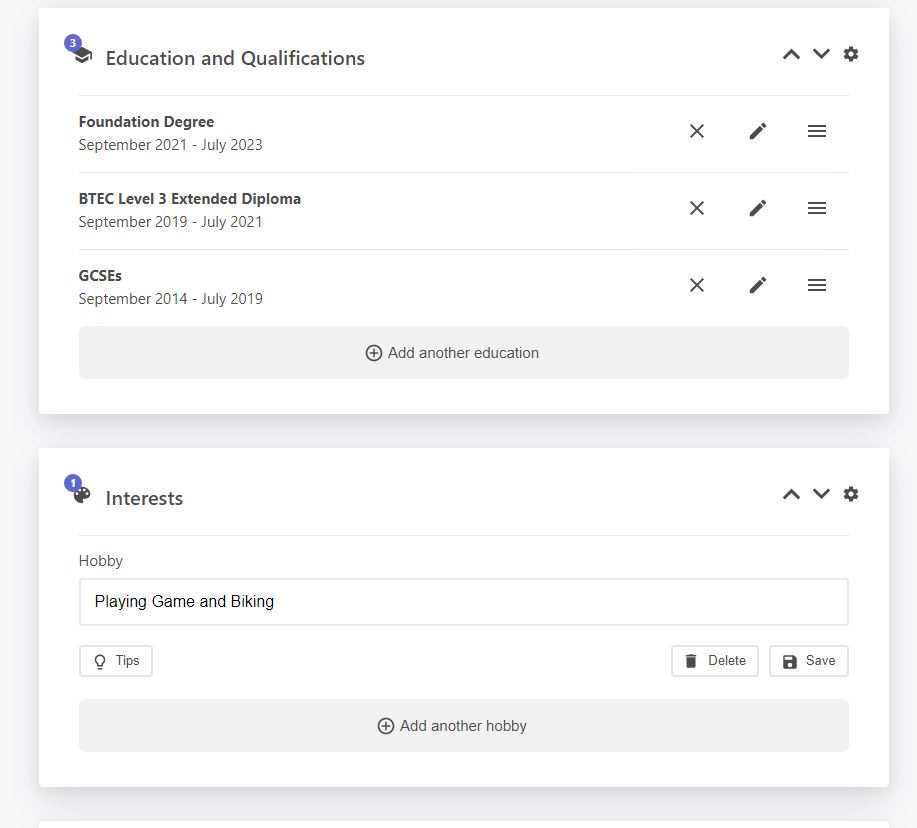
I had to apply through LinkedIn which gave me a Candidate Applicant Form to fill in. I wrote the application from the point of view that I had finished the games and interactive course at University, so that I had another qualification to include. Since currently going to University is my plan of action next year.
After filling in this information I had to attach a resume (CV) which I created using online tools. I used (cvmaker.uk) although I couldn’t download the CV file as it was behind a paywall.
I confirm that the attached assessment is all my own work and does not include any work completed by anyone other than myself and sources have been appropriately referenced.
Finlay Mander
1. Explore and evaluate methods for promoting yourself to employer and client.
Ways of Presenting yourself to an Employer.
Online Presence.
Having a strongly maintained online presence can be one of the best ways to stand out and make an impact in an interview. This online presence can be held on many different social media platforms, such as; Instagram or Pinterest. Building an online brand can provide better freelance work opportunities from private and industrial contractors. The ability to show that you can work efficiently whilst self employed, would come in very handy when applying to jobs that have competitive interview stages, proving to employers that you are responsible and self motivated.
Digital Portfolio.
Another way to promote yourself towards an employer requires a professional level digital portfolio. For instance, a candidate who has created a has created a digital portfolio demonstrating private freelance work done over the course of their career is doing so to display their relevant skills and abilities so that during the interview process they can put proof to their claims, its important to show, and tell. Creating a portfolio also avoids the chance of repeating yourself in an interview or missing out key information under pressure.
Why should you develop a digital portfolio? Having an impressive, unique portfolio behind you will make your pitch stay in the back of the minds of the employer(s) especially on days when they are interviewing large numbers of people, all of whom have the same academic achievements. A good portfolio can separate you from the rest.
A digital portfolio can present all forms of work and is used to show all the skills you currently possess. A digital portfolio can contain a website developed for a company, advertisement campaigns, private clientele work (freelance), TV and video production, games design, digital marketing. There aren’t any limits to what can be displayed on a portfolio in any industry. However its vital to keep your portfolio relevant to the who you’re being interviewed by. For instance, if you’re applying to create advertising campaigns for the NHS, a portfolio highlighting the work you did creating assets on a game last year wont be relevant. Making your pitch feel off, causing them to second guess their choices. Its expected by every industry that a digital portfolio will meet set standards. One of the key standards being visual. If the portfolio has high resolution images vs another which has low resolution small images its quite obvious which of the two would be more appealing to an employer.
CV.
A CV or curriculum vitae is a document created by a candidate that summaries their career history, this includes; academic qualifications, relevant skills, plans for the future and their potential at a company. A good CV should aim to impress potential employers, showing clearly your experiences and potential. It shall also include a personal summary, and an idea on what you expect/want to achieve from your career, goals and objectives. As mentioned previously – a career history and academic qualifications are important but its also important for a CV to highlight your areas of expertise, telling employers that you are above the rest.
What should a potential employer expect from your CV? A CV has to be of high quality, with relevant, useful information. Unlike a digital portfolio or a social media page, a CV is only going to be looked at by an employer. Therefore, its important to keep a CV up to date, similarly to how a portfolio or social media page is updated. Its important to modify it accordingly, adding new qualifications or skills achieved as you go through you career.
Progression Goals:
When I was deciding my progression goals I had to take into consideration the current circumstances going on at the moment with Covid and all the restrictions in place that come with the lock downs. Therefore my options limited, however I’ve been looking at progressing into higher education at South Devon University. It would make sense to go down this route anyway, since it will allow me to build on my skills and abilities.
Since I will most likely be going down this route, I need to research about writing a personal statement and then add it to my blog.
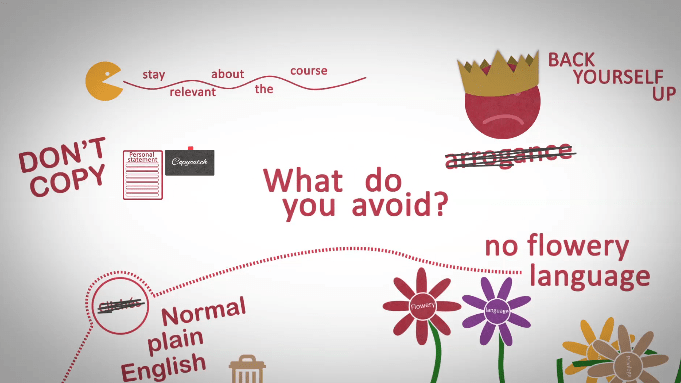
I used the information provided on the UCAS Personal Statement Tool to aid me when writing up the statement. It gave me information on, what a personal statement is, what to write about in one, how to write it and some dos and don’ts for when writing one up.
Key points:
Avoid showing off (arrogance).
Don’t be negative (focus of the positives).
Think about what makes you interesting, what makes you stand out.
Avoid verbal diarrhea ( Be relevant about the course you’re applying for.
To avoid showing off, when backing yourself up. Use relevant examples, like work experience, skills etc.
Focus on plain English. Avoid flowery language// Avoid Clichés – Normal Plain English.
Don’t copy (copy-catch software). Be authentic.
Show that you know what you applied for.
Writing process:
Start off with a punchy opening paragraph. Show an understanding on the course.
Use middle paragraph to show evidence of interest in the course. Talk about your skills and good qualities.
End paragraph (personal touch) talk about personal interests
Personal statement:
I would like to study Games and Interactive Design at university because I would like to peruse a career in the 3D industry. During my time at college I focused my 3D design work primarily on the creative side, having created 3D environments and assets for games. My program of choice currently is Blender, but I’m always able to experiment with alternative programs of choice, in my first year of the college course I used Cinema4D but by the end of the second I had transferred fully over to Blender.
However, the 3D industry isn’t just limited to games and over the past year I’ve started to notice this. Because 3D is becoming increasingly prevalent, more and more companies are starting to engage with it. Recently my Dad applied for planning permission and asked if I could create a 3D plan of part of our house,to help visualize what he wanted. So that it could be shown to the council. Although this was a relatively small task, the way I had to look at floor plans of our house to create accurate models was really interesting to me. Seeing how my house looked inside of the software and knowing I created it gave a sense of achievement. This task I was asked to do gave me a real world use for 3D outside the world of games and animation. This then got me interested in the other practical real world uses for 3D, for instance; 3D can also be used for the interior of buildings to be created before being filled with lighting, colour and furniture. This is used to give show how a finished room will look. A 3D model is used because it allows for things to be easily added and changed.
A strength of mine is being able to envision an idea and then see it through to the end of the final product. I think I earned this skill from when I was a massive Lego fan as a child, challenging myself to try and recreate sets I didn’t have from the boxes of random bricks I owned. Although I didn’t realize it then, the process I went through of looking at the adverts of the sets, videos or images has helped me when it comes to modelling assets in 3D now as I know what images are useful and how I can start from scratch and get to an end goal.
I confirm that the attached assessment is all my own work and does not include any work completed by anyone other than myself and sources have been appropriately referenced.
Finlay Mander
Report
Current Skills:
Good creative ability and can visualize ideas in my head easily.
Good eye for detail
Open to constructive criticism/feedback and make changes as required. In task 9 and 10 I used a survey to gain constructive criticism which I plan to use when I work on improving how I use lighting when I render.
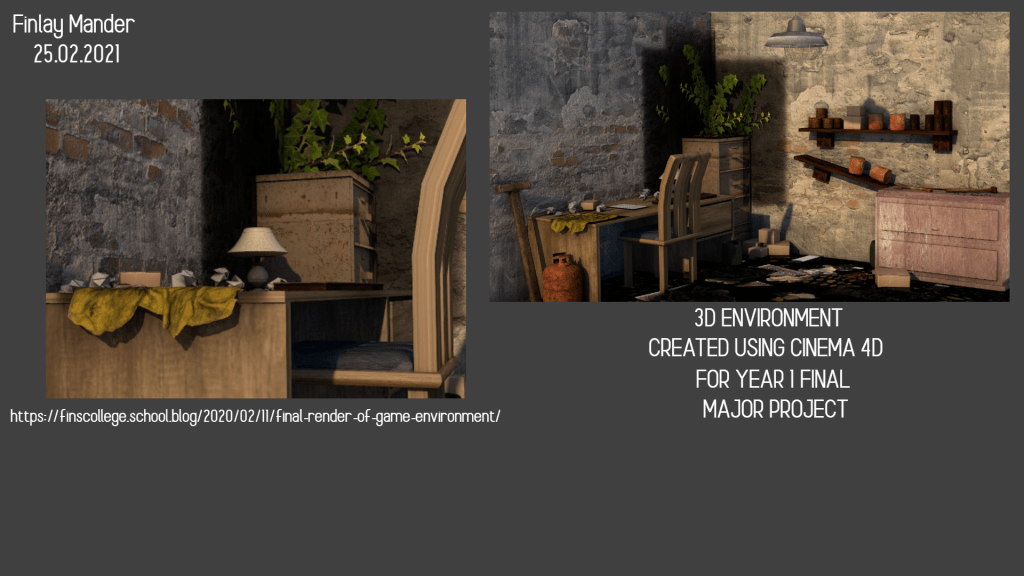
I can set myself a work process and stick to it. For instance, I proved in my unit 9 and 10 practical work that I have the ability to plan out what I want to model, am able to take inspiration from a reference images and artwork, which then allows to me create realistic models to the best of my ability -During this task I also proved that when working with multiple different models I have the creative ability to tie them all into one scene in a short time constraint.
Strengths and areas for improvement:
When it comes to using the 3D software i can say that modelling is definitely one of my biggest strengths but making my models appear photo-realistic with texturing and shading is what i need to practice, along with practicing my modelling skills routinely.
From my survey feedback I had some criticism to how the lighting and shadows appeared in my final render of the project. I have tasked myself with working on how my final renders turn out by striding towards creating more realistic shadows, whilst also modelling things which could give off light and add them to my scene. For example, lamps, fires or candles.
During unit 9 and 10 I improved heavily on the planning stage before commencing in any 3D practical work. Although it can be tedious I think its one of my main strengths since it gives me a plan of action and keeps me on track for completing work, which was useful in the short amount of time I had to create an environment.
Entry level position: Environmental Artist at Professional Technical Recruitment.
Responsibilities
Taking briefs and designing new retail environments.
Using Vectorworks and Cinema 4D to create 3D visuals and floorplans.
Liaising with clients and colleagues to ensure projects are delivered on time.
Travel to supplier and customer sites, attending meetings and progressing projects.
Skills
Proven experience as a retail Space Planner, 3D Designer or Development Designer working for a retailer or consultancy.
Experience using Adobe Creative Suite.
Experience using Vectorworks and Cinema4D.
Personal development plan
At present I have a good understanding of Cinema4D and gave myself the task to create a simplified floor plan. When it comes to using Adobe software I have some experience in Illustrator and After effects but I need to improve upon my skills
When taking my current skills into account for this position, its clear that Id have to gain some experience with Vector works so that I can develop my architectural and landscape design abilities.
Progression Routes
University course 1, UCEN Manchester: 3D Modelling and Animation for Games and Media (2 Year Course)
Requirements: 64 UCAS Tariff Points and GCSE English Language and Mathematics A* to C or 9 to 4.
This course would allow me to progress onto careers such as: 3D modeller, concept designer, key animator, technical designer, effects artist.
“Explore the skills within concept and 3D development during your first year, experiencing several different roles as a 3D artist and discovering your own strengths and interests. Then expand your creative and technical knowledge in 3D development, using it in a professional industry environment as you work with clients on a set project.”
University course 2, University Centre Colchester
Requirements: 96 UCAS Tariff Points. Interview with a relevant portfolio of work.
“If you want to be a 3D animator, model creatures in the latest sci-fi film, are interested in the more technical side of CG, or perhaps want to design characters and concept art, then this course is for you. It allows you to either specialise in the above or be a generalist.”
This course would allowed me to develop my skills to pursue a career in a number related industry areas including; Entrepreneurship, including small business development, computer games programming, computer games journalism, creative roles within a game company and online distribution and marketing.
Entrepreneurship, including small business development
Computer games programming
Computer games journalism
Creative roles within a games company
Online distribution and marketing
University course 3, University of Hertfordshire: 3D Computer Animation and Modelling (3 Year Course)
Requirements: 112 UCAS Tariff Points.
“This exciting degree programme introduces you to the artistic and narrative aspects of computer games design, programming, 3D modelling and animation. The course enables you to develop applied research practices, industry entrepreneurship and employment skills including applying gaming technologies to the real world such as designing virtual landscapes for marketing. The course has been developed in association with regional media providers and computer games specialists in order to stay future-proof in the every growing creative and digital media industry. Our course is aimed at providing students with the skills to develop their creative and technical design skills in the games industry.”
The qualifications earned form this course would provide me with employment opportunities in computer animation, work with games, TV and film special effects.
Work Experience/Placement/Internship Schemes
Work: 3D Modelling/Graphics – Work Placement
Creating realistic, natural poses of the companies avatar, improve in house software tools (plugins) for avatar creation, such as adding cameras to visualisation frames. Create studio geometries and different lighting environments to create great-looking light and shadows from our virtual model shots.
What the job offers:
A 2-3 week internship, incredible work experience gain, enhancements to CV, skill development and improvement.
Job requirements
Must be registered as a university student. Have experience with 3D modelling (this is preferred but not essential).Have access to a laptop & internet connection. Self motivation so that you can work from home.
Internship: ZBrush artist
The internship will provide the ability to learn and grow both creative and technical skills
Qualifications:
Excellent ZBrush skills and experience Passion for 3D design Great eyes for detail. Able to work in a team. Able to work under closed deadlines.
Freelance work: Improving upon/ creating and animation 3 models.
The responsibilities of freelance work, taking pre-created assets though build and animation stages all the way up to rendering them. Work closely with clients to come up with the best approach to design and come up with a consistent look and feel for assets. Using 3D modelling software, Photoshop and illustrator assembles scene to brief to clients.
Required skills and personal qualities for freelance work:
Keen eye for detail and for memorable design, fully fluent in 3D software of choice, Photoshop and adobe illustrator. Comfortable working to tight deadlines and in a busy agency environment, with the ability to come up with creative solutions to any problems that may arise. Self starter, but with the ability to work as part of a team if necessary.
A word CV and portfolio of 3D architectural / construction projects.
Good people skills, working with clients and co workers
Able to work to a dead line
“We have a fantastic opportunity for a 3D Modeller to join a prestigious software company specialising in Visualisation Applications for Enterprise Construction projects.”
Apprenticeship 2, 1X2 Network: Junior Games Artist Apprenticeship
Required skills:
All round excellence in design and digital illustration
An ability to generate quick concepts and realise ideas
Have a very creative and imaginative mind-set
Eye for composition and colour
Good communication skills for working alongside art studios
Possess an impressive and up to date portfolio
Examples of self-initiated projects
An understanding of multi-platform development
Ability to follow existing styles and brand guidelines
Technical Skill requirements:
Photoshop
After Effects
Illustrator
Desirable Skills
Experience in the gaming industry
Understanding and experience with 2D motion graphics and animation skills
A degree or equivalent in Graphic Design, Digital Media, Art and Design
Digital painting experience
Spine 2D software
JavaScript
“The role is part of an exciting and growing area of the business and there are opportunities to take on additional projects and responsibilities to grow the role if the candidate has the desired ambition.”


 Finn's Blog