TASK 6: EVALUATION AND REFLECTION — 2021

TASK 6: EVALUATION AND REFLECTION

Candidate Authentication

I confirm that the attached assessment is all my own work and does not include any work completed by anyone other than myself and sources have been appropriately referenced.

Finlay Mander

PART 1:

After deciding on what I wanted to create I began by making mind maps based on the environment from Mad Max films. I started to look at screenshots from Mad Max Fury Road films. Whilst l was doing this I was taking notes and screenshots of the colours to eventually build up a bank of the colour schemes from the film and how the different environment sets were built up. After going into further detail I got a good understanding on how the film sets were created and the extra details they add, such as crates, ruined buildings, rubbish etc. The core of the Mad Max franchise is its is a post-apocalyptic action. I wanted to capture the post-apocalyptic theme in my work as building and texturing assets this way allow me to be creative and make my own version of an abandoned environment scene that could’ve been from the one of the films. I believe that the post apocalyptic themed desert was captured well in my work. Since by just watching the production video I created for the participants from the survey. They were able to link my work with other video games, which share similar themes. They linked it to western video game levels and games featured in an abandoned cities. During the planning stage I created a sketch to experiment with buildings becoming abandoned and overgrown. This was a useful exercise since it helped me vision how something can breakdown and become decrepit and gave me inspiration on adding details to a scene.

During the planning stage I was going over screenshots from the film and other pieces of artwork I found online and on DVD covers, I did this to decide upon a colour scheme and intended to stick to it as planned. I knew that it was important to do this since it would keep my work consistent and allow me to keep to my original theme of a post-apocalyptic desert. I quickly learned that this was the right choice to make since I would be creating my assets over a multiple days but keeping a colour scheme helped my work stay in unity with each other and made transferring it all into one scene a easy process. I suppose that if I hadn’t planned ahead I would’ve ended up losing out on a lot of time.

I also saw the benefit of doing sticking to a colour scheme in my feedback. In my survey I asked if “The colors in the environment work well together” and the response I got to this was overwhelmingly positive, having an appeasing environment is very important as the participants who dont have experience in modelling will notice bad, unlatching textures first over bad craftsmanship in 3D models. In hindsight I think that giving yourself a rule such as “I’m going to stick to this colour pallet” or “I only want to use natural colours”. Will help me keep my work at the best of its ability, making it look professional and stay organised.

My environment needed to be visually stunning, which is why before being allowed to start my survey I asked the participants to watch the video I had created. After the participants had viewed the video I asked them to rate the overall quality of the models out of five stars. On average this score came in at four and a half stars, I couldn’t of asked for much better really as its really important that the work was visually impressive. However, there is always room for improvement, hence why at the end of the survey I asked the participants to write any other comments they have on the visuals of the product. There were two notable comments that were similar to each other and constructive towards the outcome of my renders. One of the participants suggested that my renders have more lighting angles and shadowing. Another participant asked that I try and create more realistic shadows.

This kind of constructive criticism is why I learned that getting feedback is really key. Since its hard to be critical on yourself after spending so long on something getting different point of views can still find room for improvement. Now that I’ve been made aware of where I can improve.I’m going to work on making strides in my abilities with the lighting tools inside blender, since they have endless opportunities.

Once I had created my scene I ultimately wanted my work to be fit for purpose and to be at a standard where it could be used as promotional renders for an upcoming game on a digital marketplace. The reason why I wanted to focus advertising on a digital market place as they are becoming increasingly popular recently. In my survey I asked the participants if my work could be used for promoting a game on steam ( the most popular and successful digital marketplace for PC games and software) to which 100% of the participants selected ‘Yes’. Next I asked the same participants if they believed that they product would be fit for advertising purpose, again 100% of them selected ‘Yes.’

PART 2:

Learning Blender and getting confidence with it:

When I first began this project I had little not no experience with using Blender, previously I used Cinema4D for all of my 3D modelling and texturing so I was aware that making the change to blender would come with its difficulties. I overcame these challenges by applying myself in my free time to watch tutorials on YouTube and challenged myself by making smaller low poly models. For one of these challenges I created my a model of my desk and everything on it. Although these were quite simple tasks in the early stages it gave me the confidence to start planning what my first 3D asset was going to be.

Research and Planning:

After I had decided on what I was going to create I first compiled a group of reference images of barrels, this was going to help me with how to texture them and to what scale I had to make everything. After going through this extended planning period I realized that this was going to be the most efficient way to model, and for quite a few reasons; Finding multiple reference images allowed me to see how the texture of the barrel worked in the background and what didn’t, this is evident in some of my earlier work when I did my first render of the barrels on a mossy overgrown background instead of the brick wall 3D texture I ended up settling for. Another reason why doing ‘extra’ planning was important is because it allowed me to have a bank of resources to reference from, aiding me to keep on track and stay organised. Because I was going to be doing a lot of modelling and texturing a short time frame, being able to take a break and plan out what I’m doing next was a nice mental reset and allowed me to not burn out.

The use of Feedback via Anonymous Surveys:

Before taking on this task, I had never really seen the important in getting feedback from anyone but my tutors. However, since I posted my survey in a digital art feedback discord server its shown me that honest criticism from others can allow you to improve at a higher rate than just noticing your mistakes yourself. The survey was also useful for allowing credit to be-given where due and was a nice confidence booster.

As I mentioned previously in Task one, its easy to become blinded from your own mistakes when you spent so long working on something or you chose to ignore them. This is one of the advantages of having your work looked at from someone else’s point of view. Although the survey was mostly positive it didn’t mean that there wasn’t anything to take away from it. At the end of the survey when I left a comment box and asked the participants to give me feedback on the visuals of my product. There were two comments that were on similar lines as each other, both mentioned improvements that could be made to my project during the rendering stage. This was for me to add more lighting angles and shadows. I’ve taken this into account and have realized the missed potential that I could’ve been getting out of the lighting tools on blender. As before, when I taught myself the basics of modelling, I now want to go back onto YouTube and experiment with lighting techniques inside of Blender.

PART 4: Create a range of a marketing material. — 2021
Preparing for Progression in Creative Media Production — 2020

Preparing for Progression in Creative Media Production

Candidate Authentication

I confirm that the attached assessment is all my own work and does not include any work completed by anyone other than myself and sources have been appropriately referenced.

Finlay Mander

Report

Current Skills:

  • Good creative ability and can visualize ideas in my head easily.
  • Good eye for detail
  • Open to constructive criticism/feedback and make changes as required. In task 9 and 10 I used a survey to gain constructive criticism which I plan to use when I work on improving how I use lighting when I render.
  • I can set myself a work process and stick to it. For instance, I proved in my unit 9 and 10 practical work that I have the ability to plan out what I want to model, am able to take inspiration from a reference images and artwork, which then allows to me create realistic models to the best of my ability -During this task I also proved that when working with multiple different models I have the creative ability to tie them all into one scene in a short time constraint.

Strengths and areas for improvement:

When it comes to using the 3D software i can say that modelling is definitely one of my biggest strengths but making my models appear photo-realistic with texturing and shading is what i need to practice, along with practicing my modelling skills routinely.

From my survey feedback I had some criticism to how the lighting and shadows appeared in my final render of the project. I have tasked myself with working on how my final renders turn out by striding towards creating more realistic shadows, whilst also modelling things which could give off light and add them to my scene. For example, lamps, fires or candles.

During unit 9 and 10 I improved heavily on the planning stage before commencing in any 3D practical work. Although it can be tedious I think its one of my main strengths since it gives me a plan of action and keeps me on track for completing work, which was useful in the short amount of time I had to create an environment.

Entry level position: Environmental Artist at Professional Technical Recruitment.

Responsibilities

  • Taking briefs and designing new retail environments.
  • Using Vectorworks and Cinema 4D to create 3D visuals and floorplans.
  • Liaising with clients and colleagues to ensure projects are delivered on time.
  • Travel to supplier and customer sites, attending meetings and progressing projects.

Skills

  • Proven experience as a retail Space Planner, 3D Designer or Development Designer working for a retailer or consultancy.
  • Experience using Adobe Creative Suite.
  • Experience using Vectorworks and Cinema4D.

Personal development plan

At present I have a good understanding of Cinema4D and gave myself the task to create a simplified floor plan. When it comes to using Adobe software I have some experience in Illustrator and After effects but I need to improve upon my skills

When taking my current skills into account for this position, its clear that Id have to gain some experience with Vector works so that I can develop my architectural and landscape design abilities.

Progression Routes

University course 1, UCEN Manchester: 3D Modelling and Animation for Games and Media (2 Year Course)

Requirements: 64 UCAS Tariff Points and GCSE English Language and Mathematics A* to C or 9 to 4.

This course would allow me to progress onto careers such as: 3D modeller, concept designer, key animator, technical designer, effects artist.


“Explore the skills within concept and 3D development during your first year, experiencing several different roles as a 3D artist and discovering your own strengths and interests. Then expand your creative and technical knowledge in 3D development, using it in a professional industry environment as you work with clients on a set project.”

University course 2, University Centre Colchester

Requirements: 96 UCAS Tariff Points. Interview with a relevant portfolio of work.

“If you want to be a 3D animator, model creatures in the latest sci-fi film, are interested in the more technical side of CG, or perhaps want to design characters and concept art, then this course is for you. It allows you to either specialise in the above or be a generalist.”

This course would allowed me to develop my skills to pursue a career in a number related industry areas including; Entrepreneurship, including small business development, computer games programming, computer games journalism, creative roles within a game company and online distribution and marketing.

  • Entrepreneurship, including small business development
  • Computer games programming
  • Computer games journalism
  • Creative roles within a games company
  • Online distribution and marketing

University course 3, University of Hertfordshire: 3D Computer Animation and Modelling (3 Year Course)

Requirements: 112 UCAS Tariff Points.

“This exciting degree programme introduces you to the artistic and narrative aspects of computer games design, programming, 3D modelling and animation. The course enables you to develop applied research practices, industry entrepreneurship and employment skills including applying gaming technologies to the real world such as designing virtual landscapes for marketing. The course has been developed in association with regional media providers and computer games specialists in order to stay future-proof in the every growing creative and digital media industry. Our course is aimed at providing students with the skills to develop their creative and technical design skills in the games industry.”

The qualifications earned form this course would provide me with employment opportunities in computer animation, work with games, TV and film special effects.

Work Experience/Placement/Internship Schemes

Work: 3D Modelling/Graphics – Work Placement

Creating realistic, natural poses of the companies avatar, improve in house software tools (plugins) for avatar creation, such as adding cameras to visualisation frames. Create studio geometries and different lighting environments to create great-looking light and shadows from our virtual model shots.

What the job offers:

A 2-3 week internship, incredible work experience gain, enhancements to CV, skill development and improvement.

Job requirements

Must be registered as a university student. Have experience with 3D modelling (this is preferred but not essential).Have access to a laptop & internet connection. Self motivation so that you can work from home.

Internship: ZBrush artist

The internship will provide the ability to learn and grow both creative and technical skills

Qualifications:

Excellent ZBrush skills and experience Passion for 3D design Great eyes for detail. Able to work in a team. Able to work under closed deadlines.

Freelance work: Improving upon/ creating and animation 3 models.

The responsibilities of freelance work, taking pre-created assets though build and animation stages all the way up to rendering them. Work closely with clients to come up with the best approach to design and come up with a consistent look and feel for assets. Using 3D modelling software, Photoshop and illustrator assembles scene to brief to clients.

Required skills and personal qualities for freelance work:

Keen eye for detail and for memorable design, fully fluent in 3D software of choice, Photoshop and adobe illustrator. Comfortable working to tight deadlines and in a busy agency environment, with the ability to come up with creative solutions to any problems that may arise. Self starter, but with the ability to work as part of a team if necessary.

2 Apprenticeships

Apprenticeship 1, Stafford Sharp Associates Ltd: SNR 3D Modeller – (Architecture)

Required Skills

  • 3D Studio Max experience
  • 3D Modelling
  • 4D Modelling
  • Architecture Modelling
  • V-Ray Architectural
  • Animation

Other requirements

  • A word CV and portfolio of 3D architectural / construction projects.
  • Good people skills, working with clients and co workers
  • Able to work to a dead line

“We have a fantastic opportunity for a 3D Modeller to join a prestigious software company specialising in Visualisation Applications for Enterprise Construction projects.”

Apprenticeship 2, 1X2 Network: Junior Games Artist Apprenticeship

Required skills:

  •  All round excellence in design and digital illustration
  • An ability to generate quick concepts and realise ideas
  • Have a very creative and imaginative mind-set
  • Eye for composition and colour
  • Good communication skills for working alongside art studios
  • Possess an impressive and up to date portfolio
  • Examples of self-initiated projects
  • An understanding of multi-platform development
  • Ability to follow existing styles and brand guidelines

Technical Skill requirements:

  • Photoshop
  • After Effects
  • Illustrator

Desirable Skills

  • Experience in the gaming industry
  • Understanding and experience with 2D motion graphics and animation skills
  • A degree or equivalent in Graphic Design, Digital Media, Art and Design
  • Digital painting experience
  • Spine 2D software
  • JavaScript

“The role is part of an exciting and growing area of the business and there are opportunities to take on additional projects and responsibilities to grow the role if the candidate has the desired ambition.”

Notes — 2020

Notes

Uses and gratifications

  • What does the theory suggest?

Instead of researching what the media does to the audience, this approach studies what the audience does with the media. This approach also takes accounts of peoples personalities and personal needs, etc.

  • Strengths of this approach?

The audience is seen as active, and reasonably intelligent. Life experience in general is regarded as more influential than the experience of media. The pleasures that the media offer audiences are not regarded as negative!

  • Weaknesses of this approach?

Too much optimism about the ‘power’ and ‘choices; of an active audience can distract us from the power certain texts have, or the influence that media institutions and ownership may have on texts and understandings.

Reception analysis and ethnography

  • What does the theory suggest?

Audiences are seen active producers of meaning, rather than as merely consumers of media meanings. They make sense of media texts according to their social position( in terms of their identity) and their gender, race, age and class/

  • Strengths of this approach?

This approach values highly the specific, personal and contextualized responses of individuals and groups. People’s life experiences are important influences which enable them to make active choices as members of media audiences.

  • Weaknesses of this approach?

Similar problems to the uses and gratifications approach in that more emphasis is given to the responses and reading of the audience rather than to the institution aspects of media. Some researchers can get sidetracked into analyzing audience lifestyles.

FMP Journal March-April — 2020

FMP Journal March-April

Last week, 2nd-8th

At the start of last week I began brainstorming my initial 3 ideas to use in my presentation proposal for the following Monday. By Thursday I had the 3 ideas down and had began researching into them. I looked into a variety of areas, ranging from mythical undersea creatures to real life natural disasters and nuclear warfare.

Monday 9th

Yesterday I presented my project proposal, opting to choose my third idea. My third idea is to create a game environment based after nuclear warfare, I will be required to research into multiple key areas such as; Chernobyl, Nagasaki+Hiroshima, games which have explored similar themes to mine, and the aftermath effects a nuclear war would have – a nuclear winter for example.

Tuesday 10th – Monday 16th

I’ve started to conduct the research I need before I can begin creating my project.

Tuesday 17th

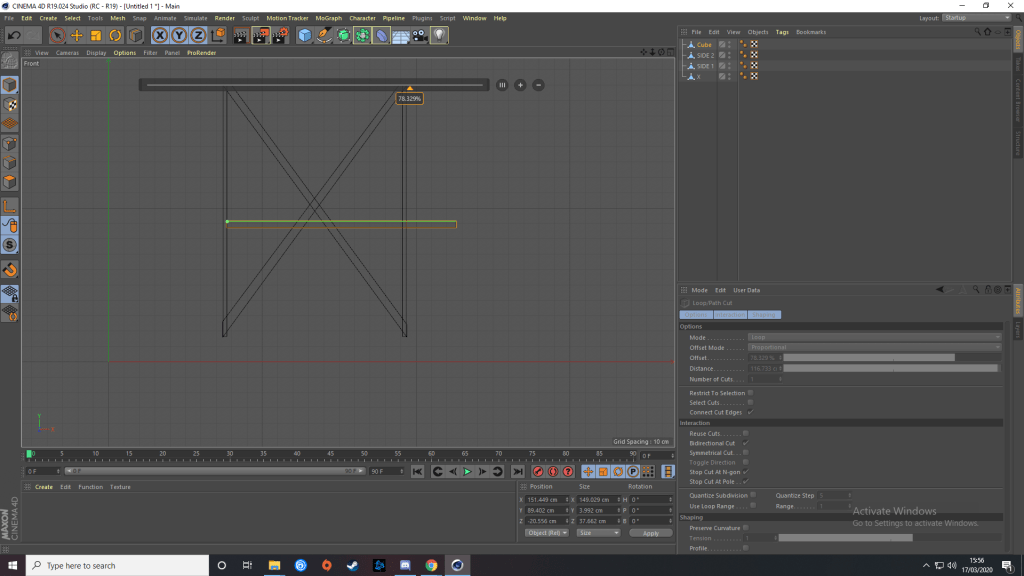
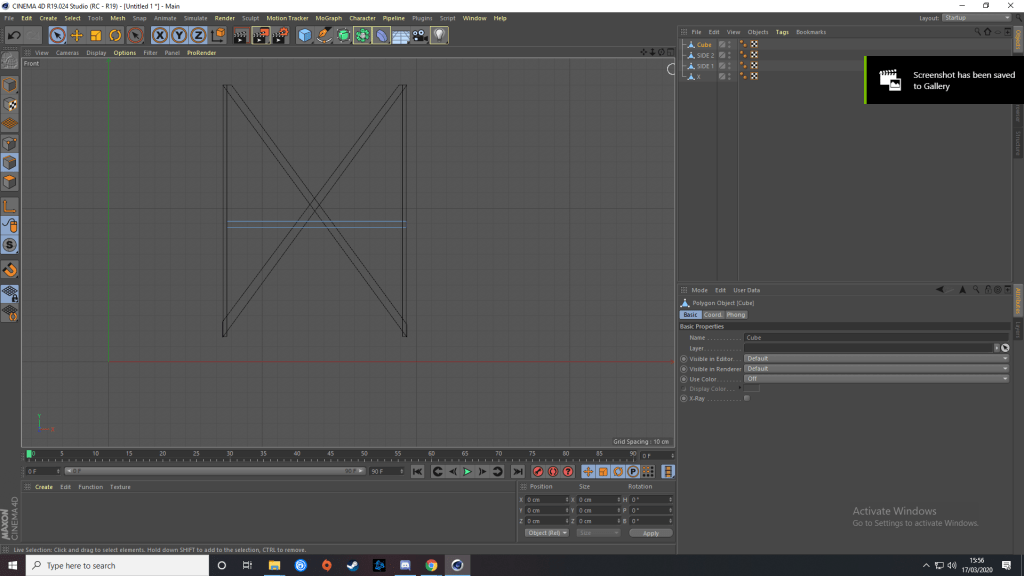
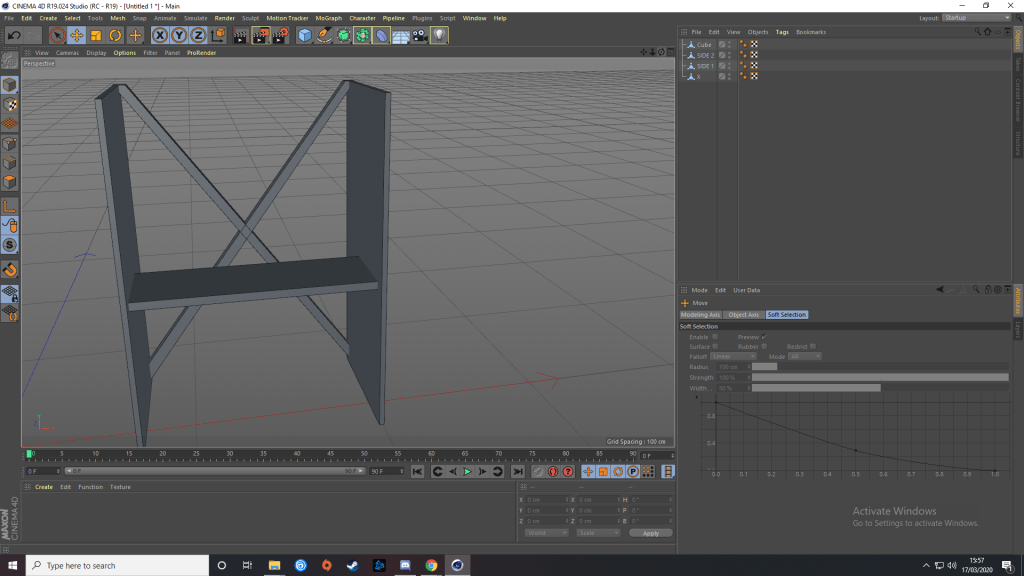
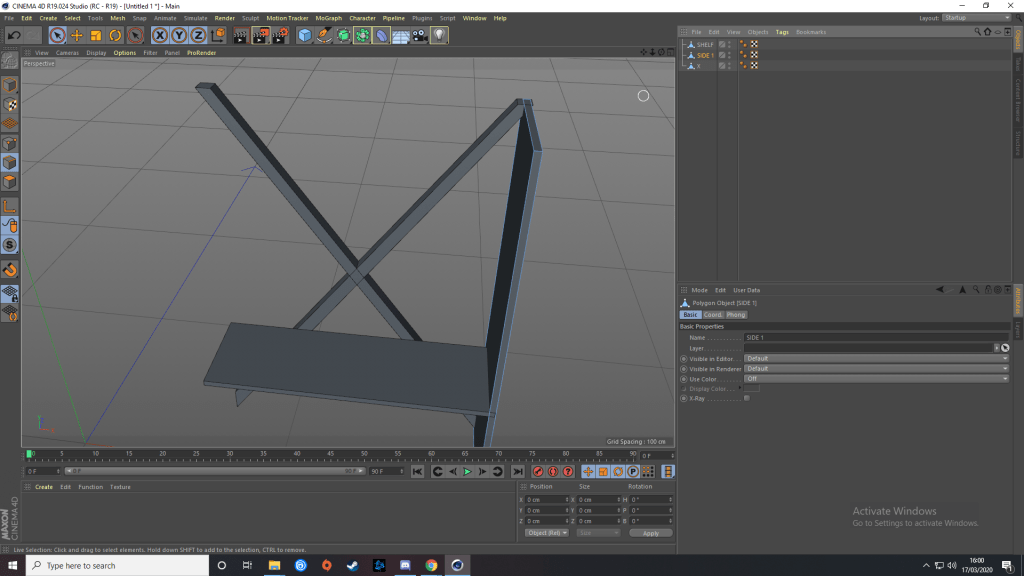
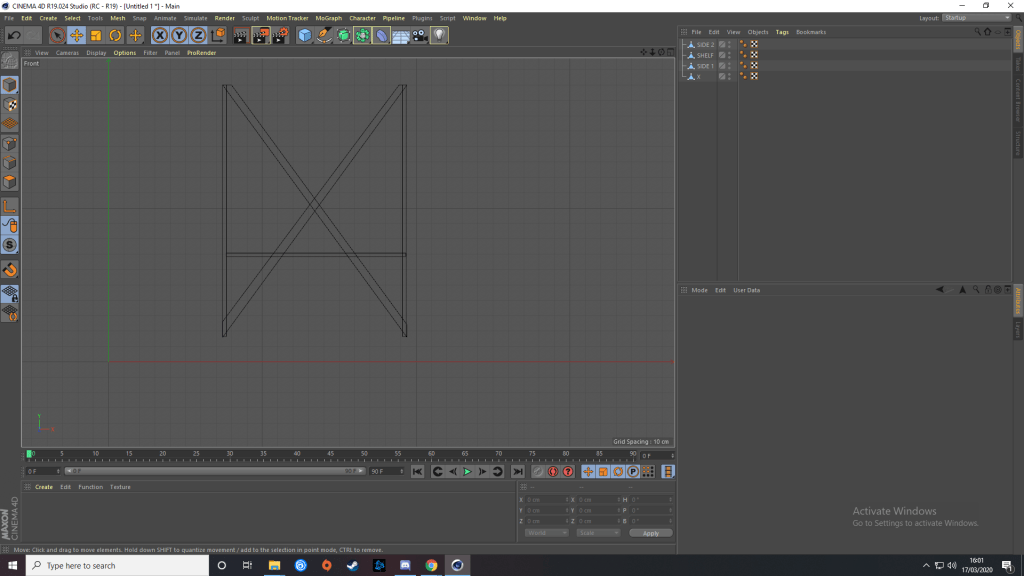
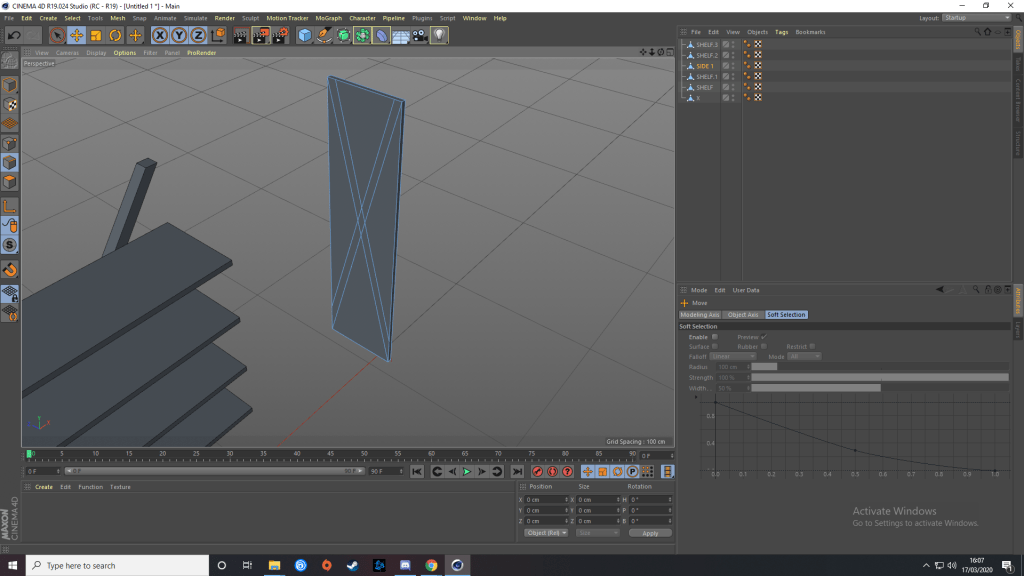
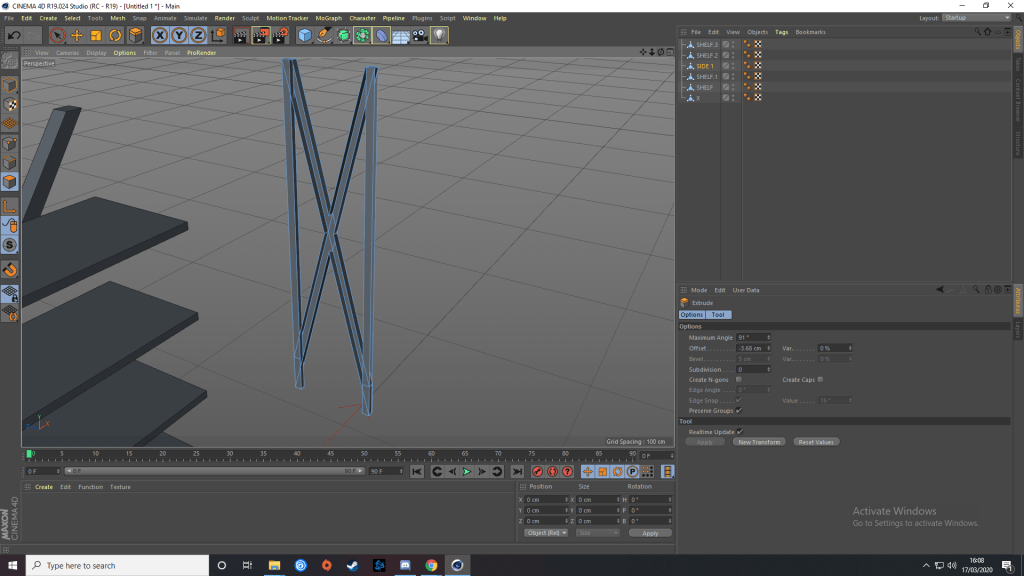
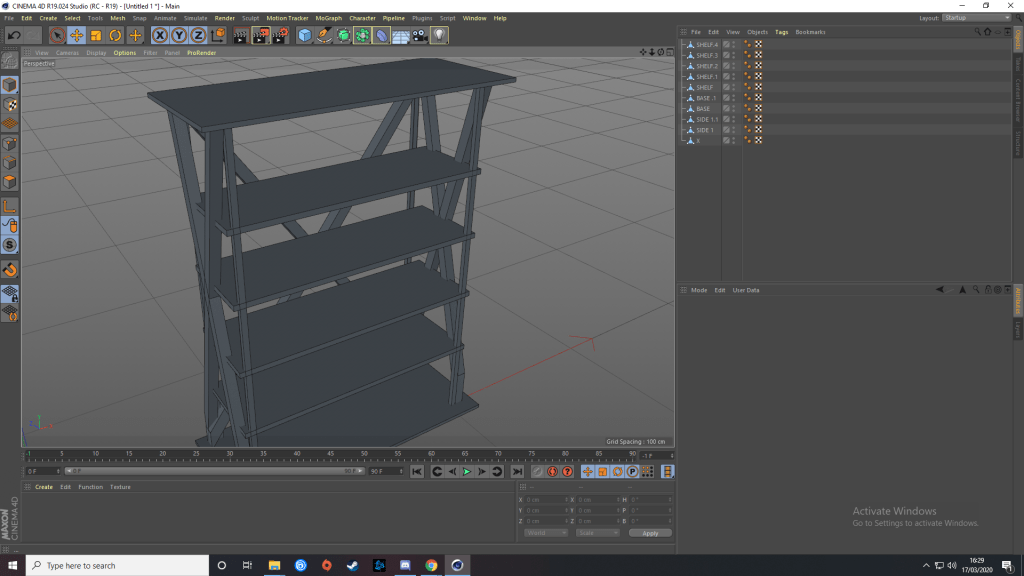
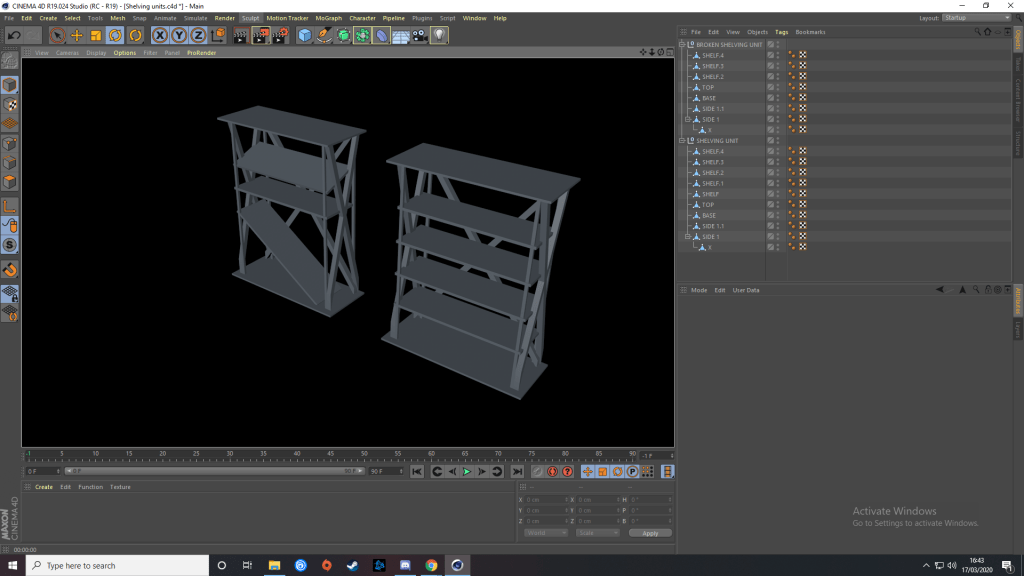
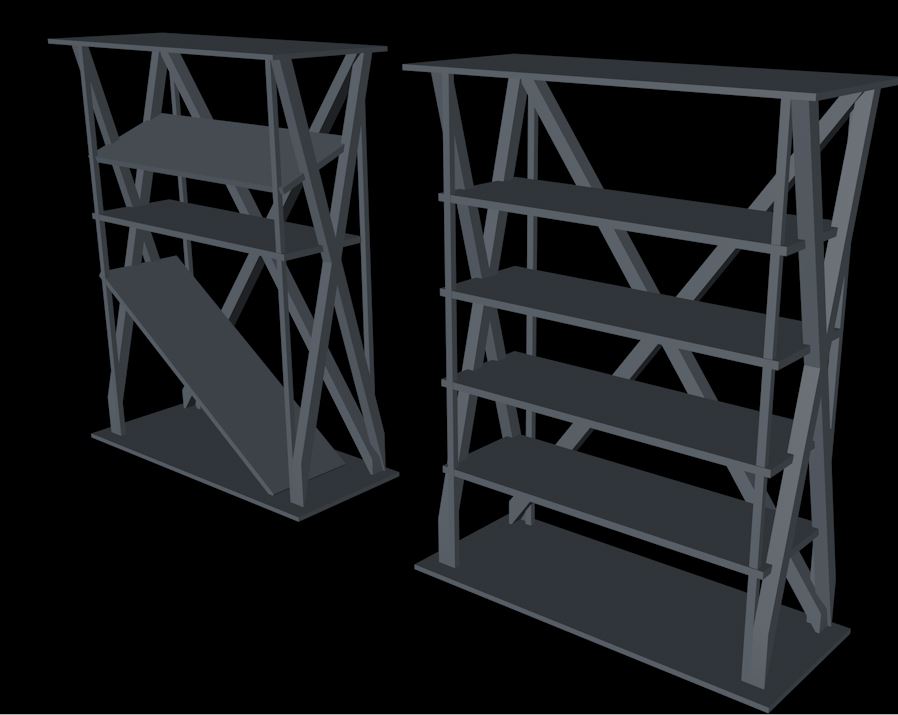
I created my first asset, i decided to make a shelving unit and a broken version to along with it.

Development process:

My next steps are to watch tutorials on substance painter and then begin texturing these two shelving units.

Sunday 23rd

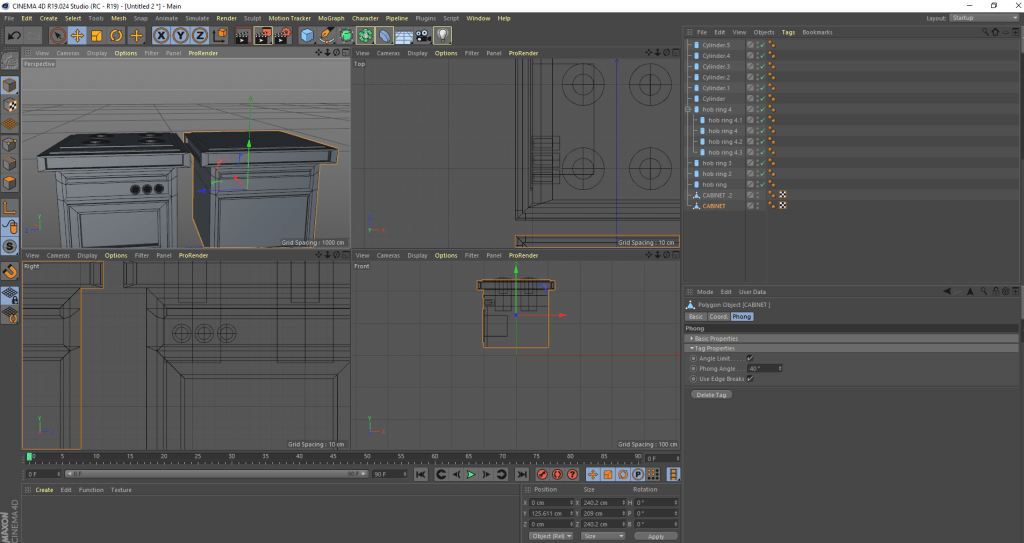
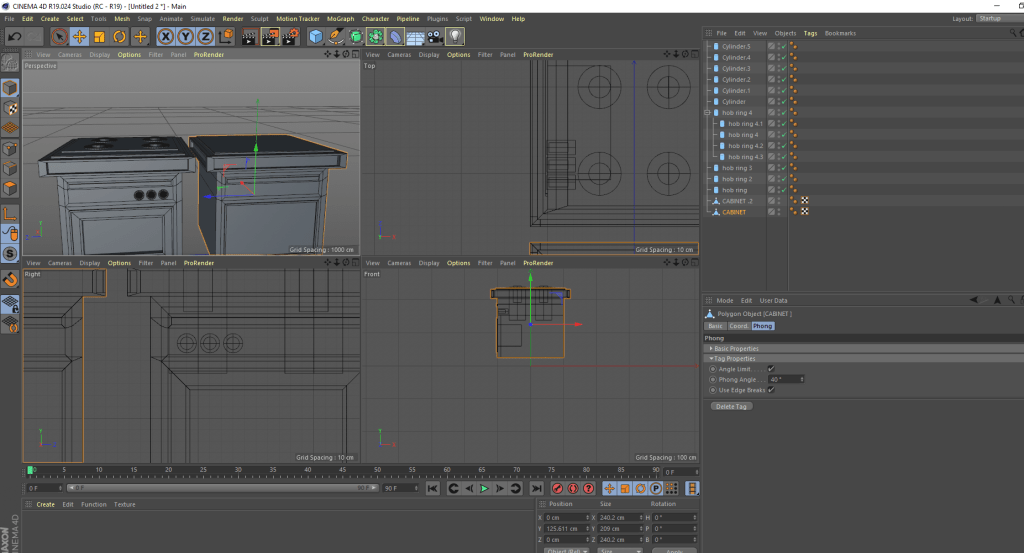
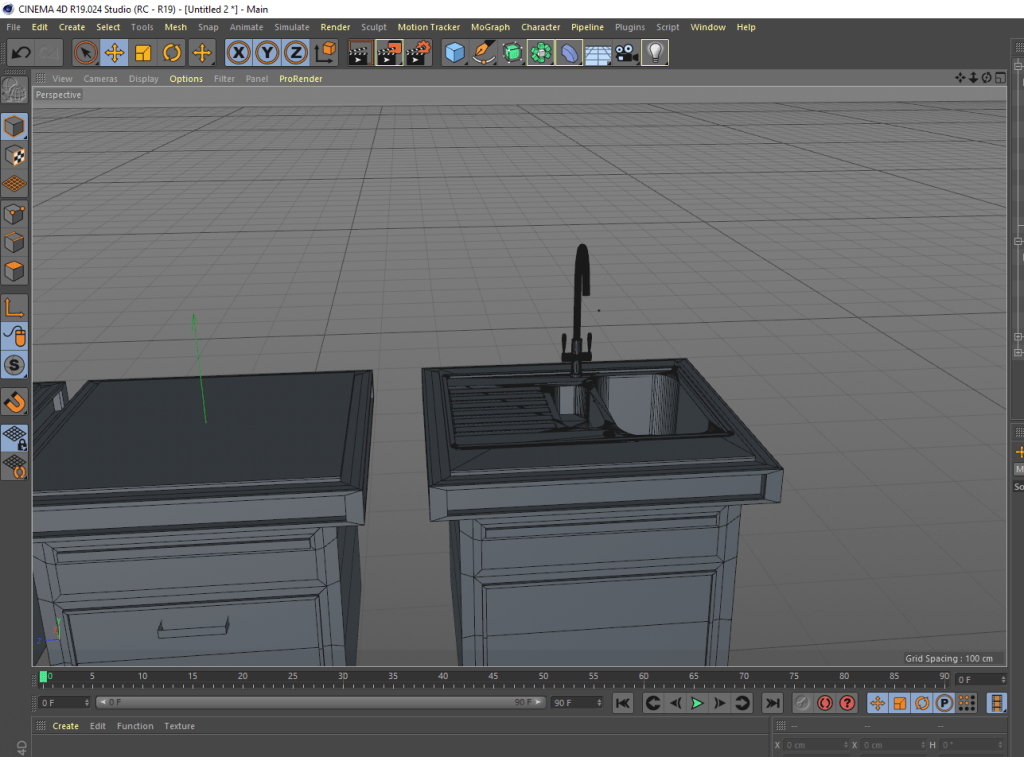
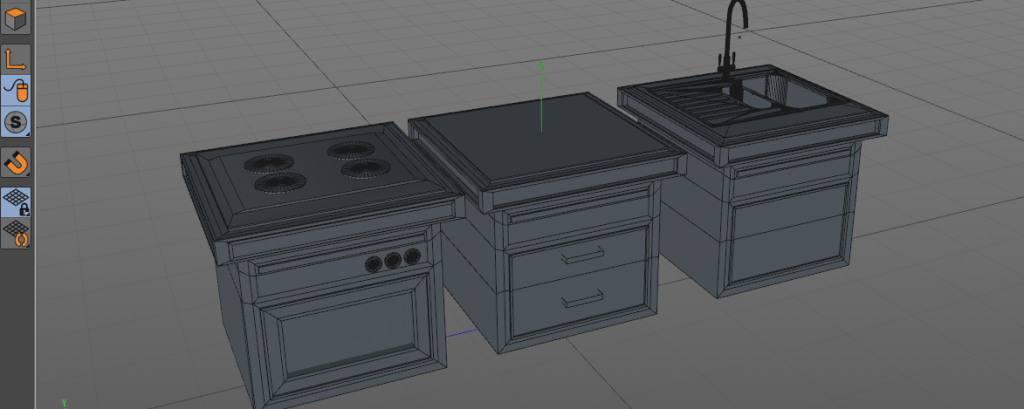
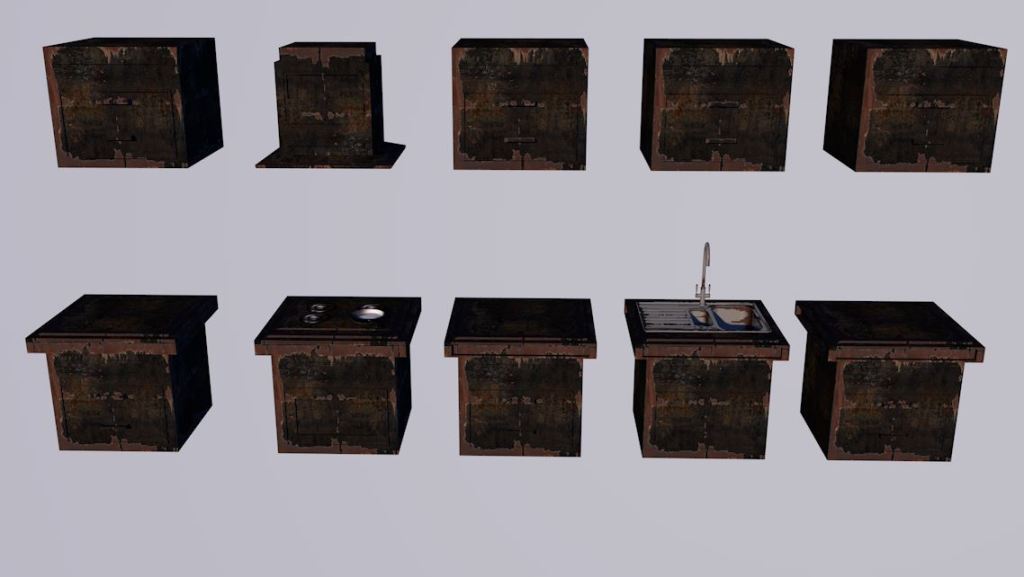
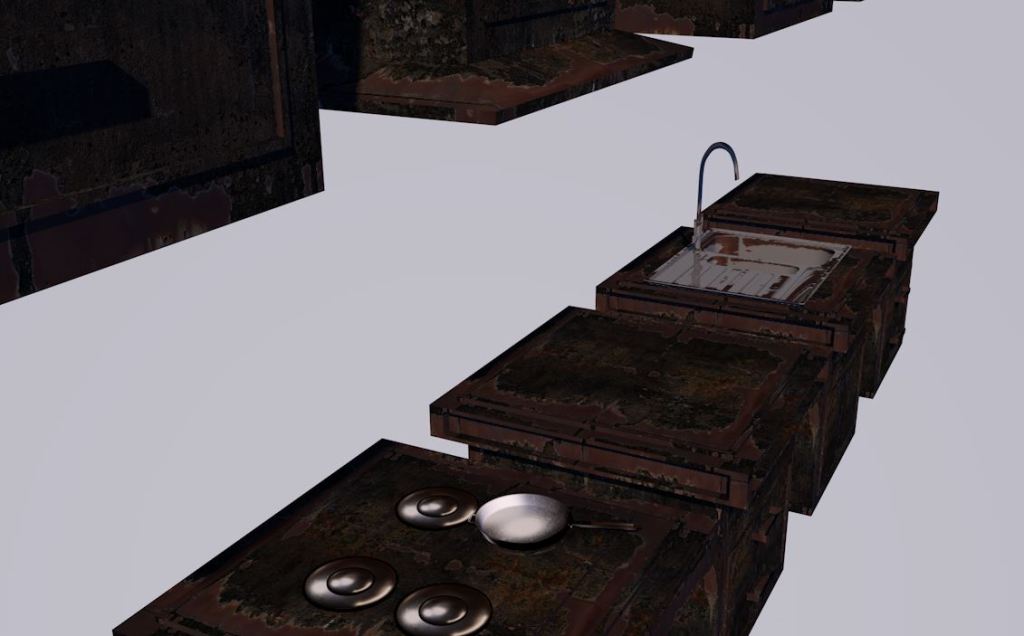
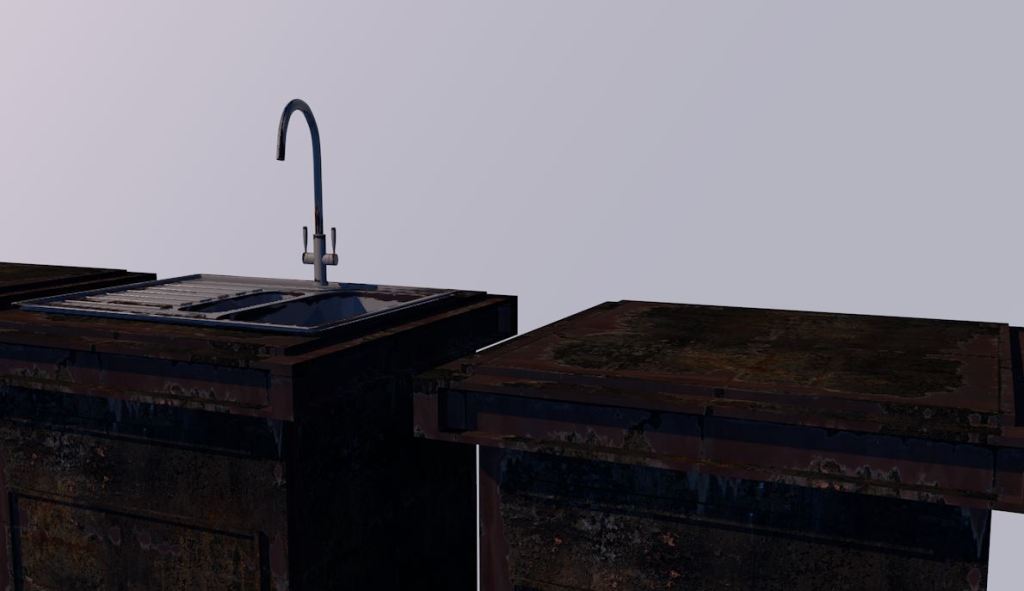
Today i started building some of the assets ill require to create the kitchen for my environment. I used reference images/online tutorials to aid my development process.

For the majority of the this week ill be spending my time modelling my assets then ill began experimentation with different textures as i know its going to be something ill struggle getting the hang of.

Wednesday 25th

Once i was happy with how my models were looking, i played around with multiple different colors and textures until i was satisfied with the outcome.

Progression screenshots of asset creation

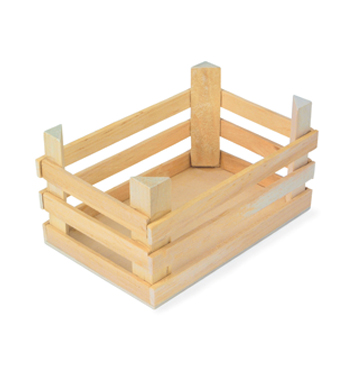
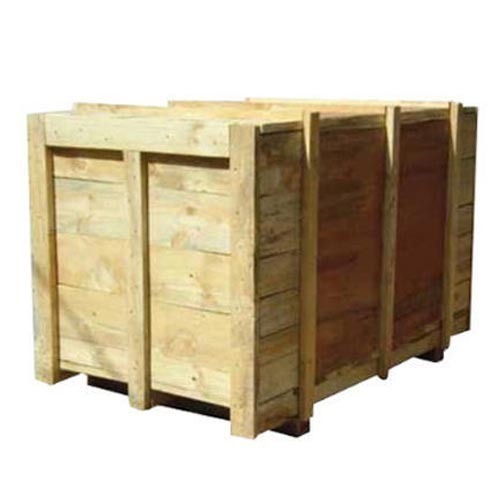
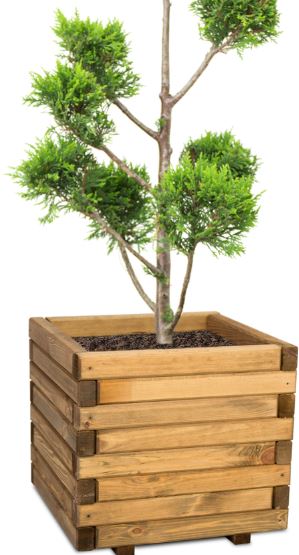
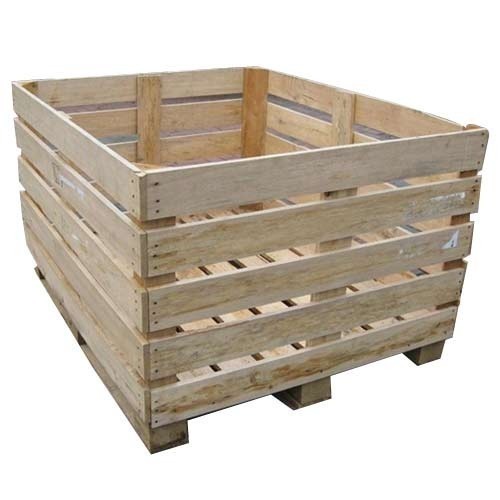
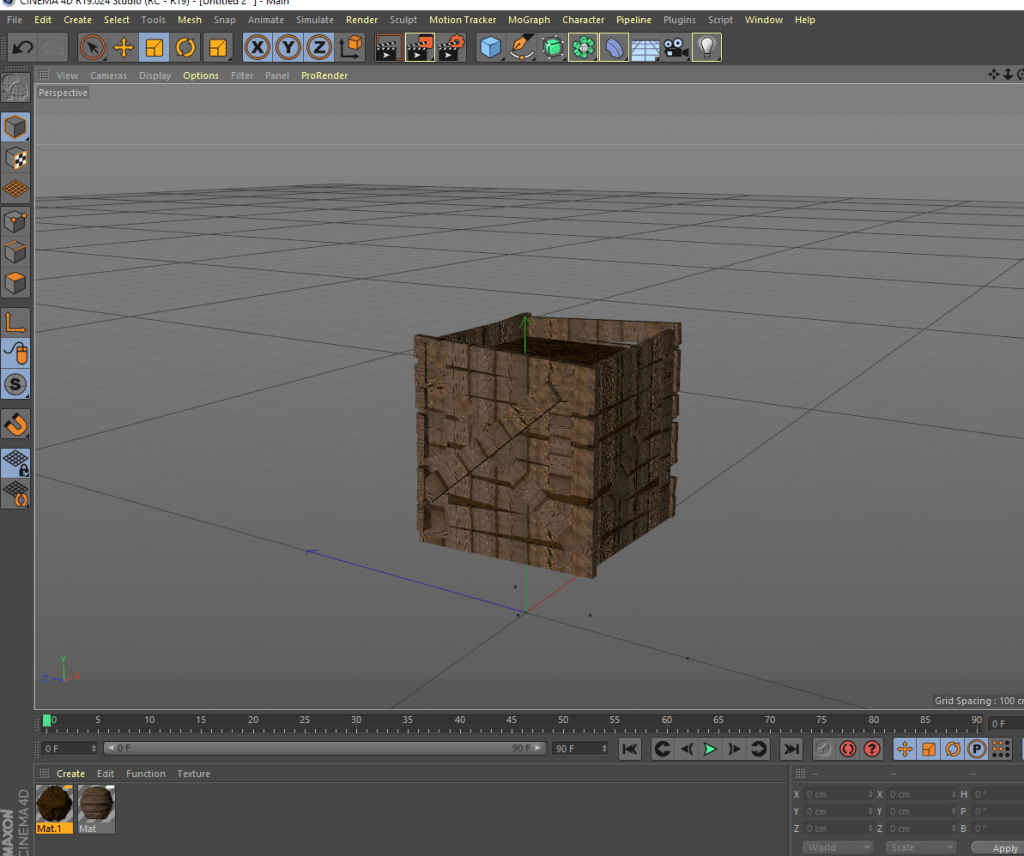
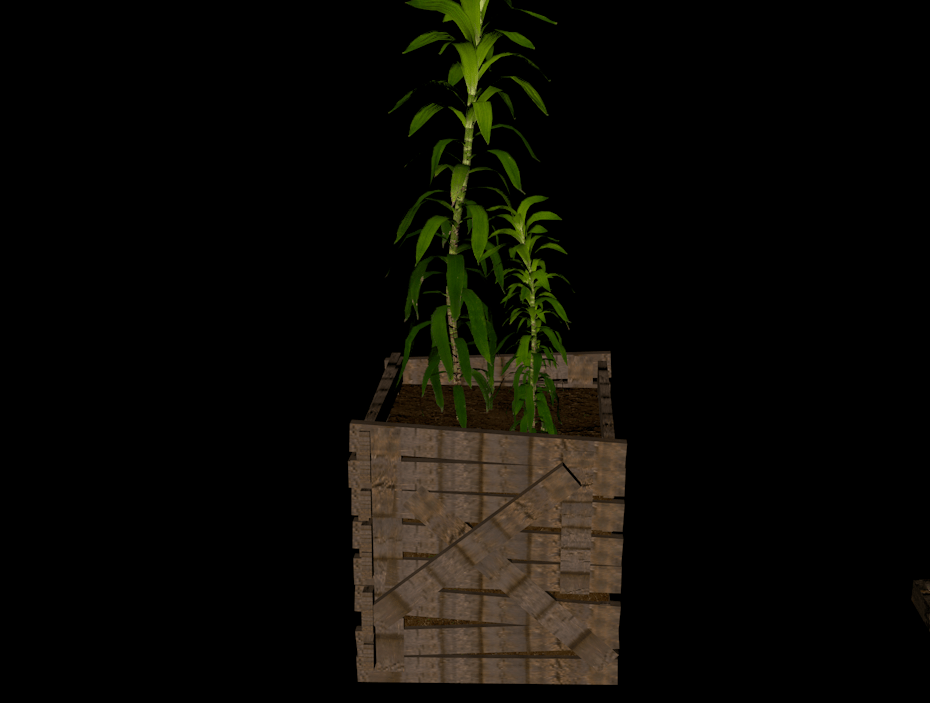
Before i began modelling i decided that i was aiming for a neat, mass produced sort of planter box, i wanted the asset to seem as though it had been handmade out of wooden scraps.

First, I collected some reference images:

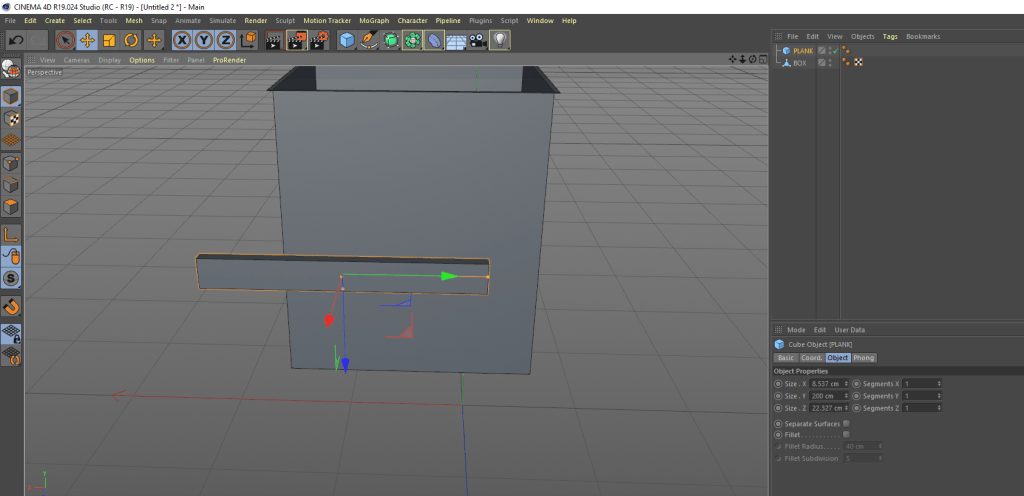
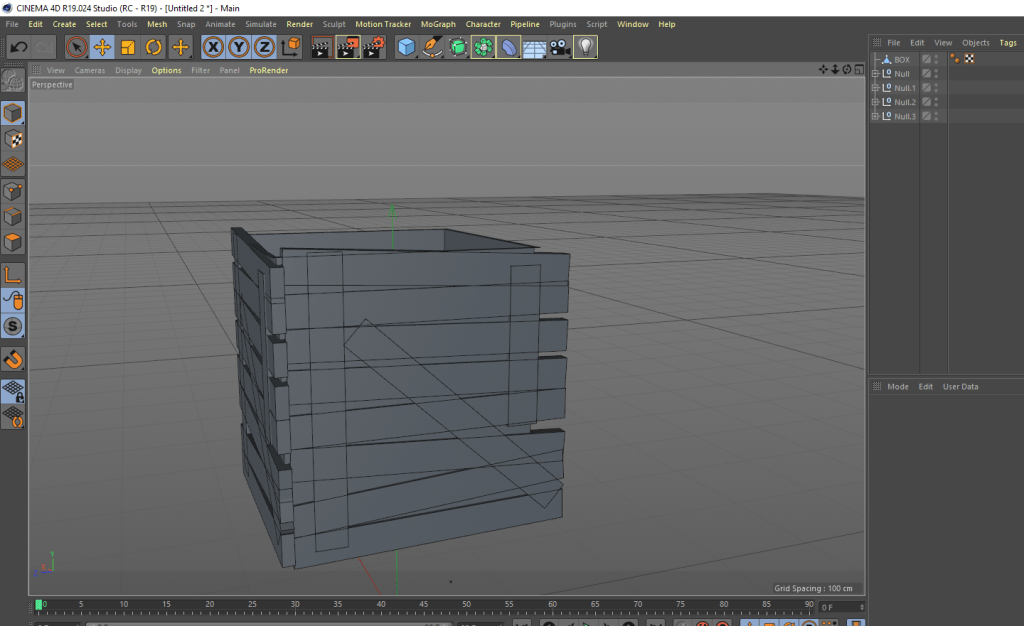
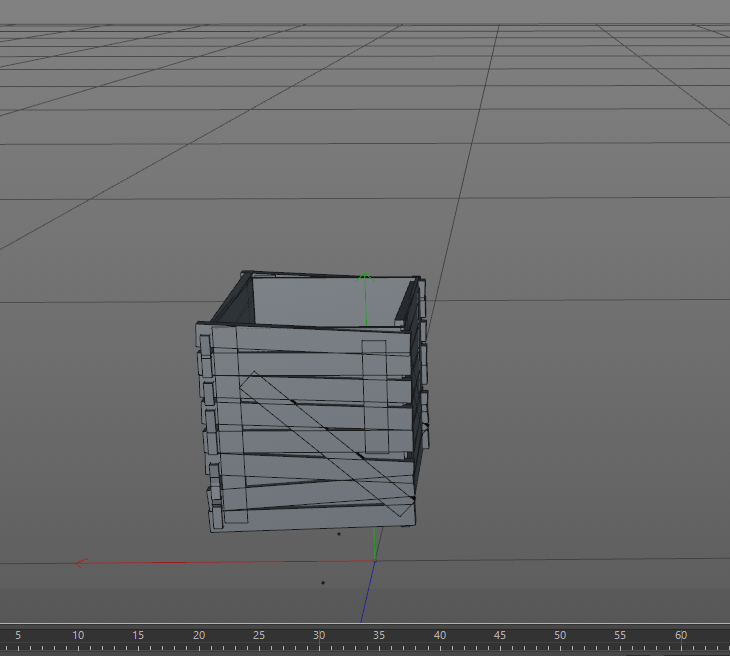
After i collected these i had a clear understanding of the development process id have to undergo. All i had to do was build myself a box manually out of an arrangement of rectangles, as seen here.

This process was pretty straightforward just time-consuming.Then all i had to do with tweak a few minor things then texture it.

COMPUTER ISSUES AT HOME – and how i plan on working around them.

I initially had planned to create my assets inside of Cinema4D and then texture them using substance painter. Last week once i downloaded substance painter, i noticed that my computer at home was struggling heavily as i began learning how to texture my assets. My PC started to lag, to the point where my cursor was lagging when i moved it, this was due to my PC specs being insufficient (mainly RAM restrictions.) To overcome this issue, im now going to texture my assets inside of Cinema4D, using Quixel and textures.com to provide me with the textures.

What is a Content Creator? — 2020
Introduce Yourself (Example Post) — 2019

Introduce Yourself (Example Post)

This is an example post, originally published as part of Blogging University. Enroll in one of our ten programs, and start your blog right.

You’re going to publish a post today. Don’t worry about how your blog looks. Don’t worry if you haven’t given it a name yet, or you’re feeling overwhelmed. Just click the “New Post” button, and tell us why you’re here.

Why do this?

  • Because it gives new readers context. What are you about? Why should they read your blog?
  • Because it will help you focus you own ideas about your blog and what you’d like to do with it.

The post can be short or long, a personal intro to your life or a bloggy mission statement, a manifesto for the future or a simple outline of your the types of things you hope to publish.

To help you get started, here are a few questions:

  • Why are you blogging publicly, rather than keeping a personal journal?
  • What topics do you think you’ll write about?
  • Who would you love to connect with via your blog?
  • If you blog successfully throughout the next year, what would you hope to have accomplished?

You’re not locked into any of this; one of the wonderful things about blogs is how they constantly evolve as we learn, grow, and interact with one another — but it’s good to know where and why you started, and articulating your goals may just give you a few other post ideas.

Can’t think how to get started? Just write the first thing that pops into your head. Anne Lamott, author of a book on writing we love, says that you need to give yourself permission to write a “crappy first draft”. Anne makes a great point — just start writing, and worry about editing it later.

When you’re ready to publish, give your post three to five tags that describe your blog’s focus — writing, photography, fiction, parenting, food, cars, movies, sports, whatever. These tags will help others who care about your topics find you in the Reader. Make sure one of the tags is “zerotohero,” so other new bloggers can find you, too.

Design a site like this with WordPress.com
Get started