Roles within the Games and Interactive design industry
Video Game Tester
Becoming a Video Game Tester is a seen as one of the best entryways in the video game industry. Game Testers are largely responsible for detecting glitches, bugs and digital flaws – in short when they play the game they’re playing to break it. Entering the industry through this route is also a great way to learn about how video games are created because you’ll be expected to work closely with the Dev team.
Developer
Being a game Dev is seen as one of the highest roles in the industry, especially in recent years with the decreasing amount of openings for becoming a game developer (dropping by 65%) the challenge of getting one of these Dev positions without prior experience in the industry is near impossible.
Multimedia Artist/Animator
Being a Multimedia Artist makes you responsible for designing, visualising and creating graphics and animation for video games and other multimedia. You are responsible for bringing the writes’ ideas to life.
Getting into the industry
Video Game Tester
what to learn: Computer science, game play, hacking, and quality assurance.
Game Developer
what to learn: Code, computer science and game development
Multimedia artist/animator
what to learn: Graphic design, art (portfolio more important than a CV), computer science and game design
Apprenticeships in videogame programming
Junior Unity Developer, at The Open University UK Milton Keynes
The role: VR
“We are a small team dedicated to supporting the uptake of new educational methods, practices and technologies. As a Junior Unity Developer, you’ll have a games development degree (or equivalent experience) and join us at an exciting time as we expand the team and help us bring to life the possibilities of virtual reality (VR).”
Skills and experience
Can develop in Unity and C+
Can implement well designed, structured, code
Comfortable working and communicating with others in a team
Comfortable prioritising and managing own workload
Experience in any related areas such as 3D modelling, animation is advantageous
Junior Game Programmer for Playable Ads Leamington Spa
The role: Playable Ads
“As Junior Game Programmer for Playable Ads, you love coding and have a passion for games. You understand design and what a potential player might want to see from our games in order to install them.”
Skills and requirements
Some experience as game programmer with C# even if it’s in personal projects/game jams.Experience with Unity.
Excellent communication skills.Knowledge/experience with HTML would be a plus.
Android / iOS / Amazon or UI experience would be desirable.
Interest in design and how marketing works in games would be ideal.
An avid interest in either console or mobile games, preferably both.
University courses available:
Games design and development, Manchester Metropolitan University
What does the course offer?
This course offers typical design-based studies along a broader focus on elements, including mobile and social gaming. + Manchester is a growing hub of creative industries. The uni also allows for a third years’ study to be deferred while you take on a placement before finishing the course.
Computer games design and programming, Staffordshire University
What does the course offer?
It covers more than one discipline in the field, design and programming so in theory by graduation you’d become a ‘jack of all trades’. This is useful for established studios who are looking to hire multi-skilled employees and for graduates who want to build their own studios from scratch.
Additional information:
Staffordshire’s game design studio is sponsored by Epic Games. Also the uni holds regular events which are visited by industry professionals; these are perfect for picking up pointers and potentially being discovered while you’re still studying.
Work Experience – 3D modelling
Junior 3D Artist position at Archilime Visualisation
This company dedicated mainly to producing high-end photo-realistic architectural visualisations.
Open to applications for aspiring junior creatives, who will be primarily tasked with creating 3D models, these models range from being used for attaining planning permission, to creating marketing material to help sell a scheme to the wider public – meaning that now two modelling jobs are never the same.
Technical and aesthetic qualities
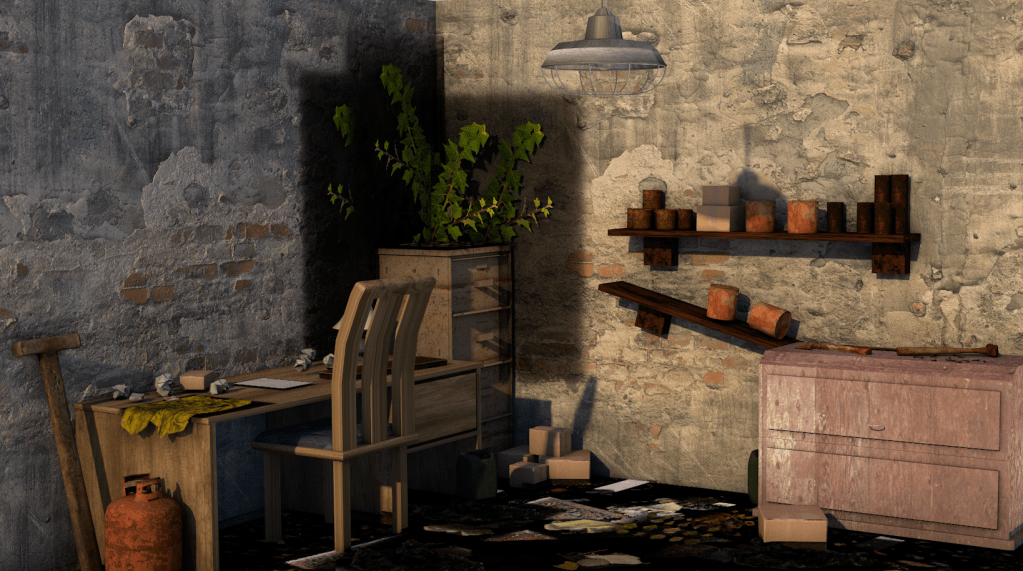
Because of the genre of game i am creating i knew that the colours would be limited to dark, natural tones and textures, this was so when they were combined together they’d influence the mood which i was trying to portray in my interactive environment.
Did you use the tools at your disposal effectively?
The main tool at my disposal was the Macs at the college, which I used for nearly everything in this unit, ranging from conducting research to modelling my project assets, so in my opinion I used the tools effectively as they allowed me to achieve something.(Other than using the Macs I used my computer at home to finish off any work)
Challenges and limitations encountered?
The biggest challenge i came across was when i first began the modelling stages of the project as originally i had little experience in the programme but over time i began less and less limited in what i could achieve.
Why did you make certain decisions and what was the impact?
A decision I made early on into the project involved the aesthetic/art style of the entire game environment, although I like to look of low poly, bright coloured games and would enjoy modelling for one.I knew it that the post apocalyptic environment I had chosen to create meant that the art style of the game would have to correlate with its gameplay and tone.
What was your strongest area during the project?
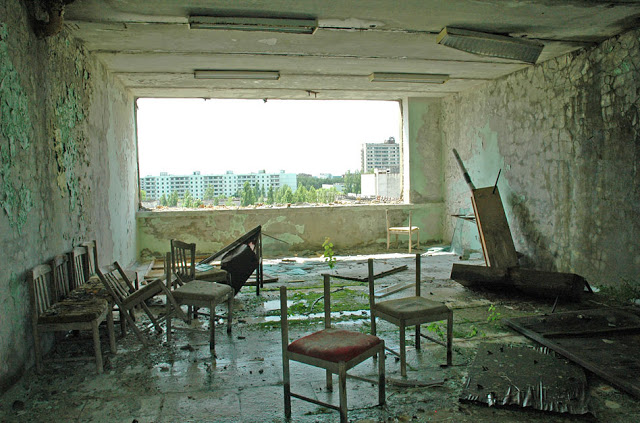
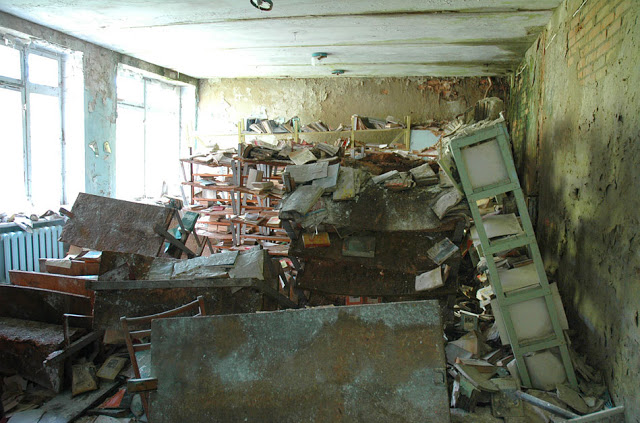
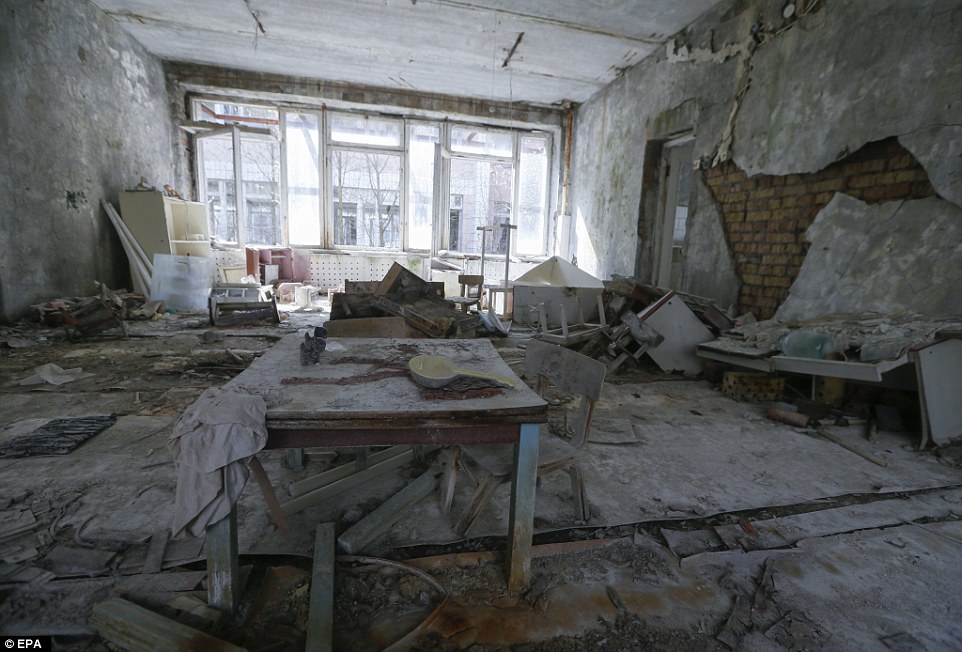
My strongest area of the project was when I was tasked with creating the story behind the game.I put time into researching examples of ‘end of the world scenarios’ and the aftermath(s) they leave behind. I found one which would fit with the story of my game and then chose the location to set my game, and looking into architecture of Seattle, Washington. This helped me create an image in my head of what the apartment environment would look like today, i then used my research on the abounded buildings in Chernobyl to picture what they’d look like 10 years after nuclear warfare caused firestorms across the US.
What part of your work could you improve on?
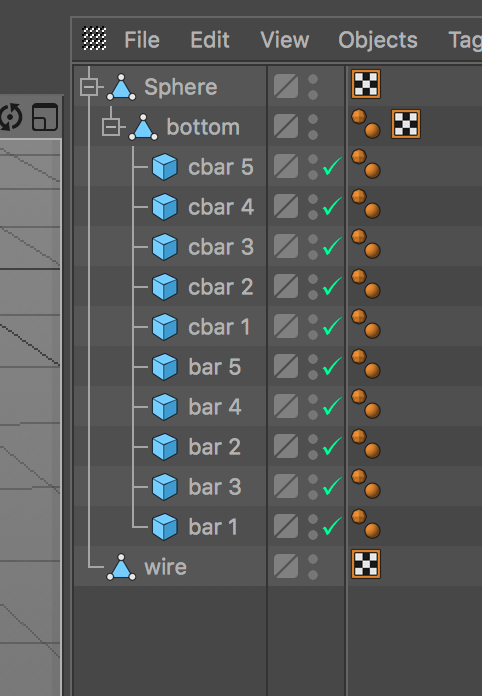
Overall organisation of my Cinema4D assets, what i mean by this is making better use of the nulls and select and group, also next time i need to delete the copy made of an object once i bake it, so i tiding up as i go along
For the concept of my game i took inspiration from already established game genres such as; The Last of Us, Fallout 4 and Fallout New Vegas, all of these games have post apocalyptic themes throughout so i knew that when it came down to me researching the architecture, color themes and interface id have atleast 3 strong titles to reference from.My project idea game from inspiration mainly from Fallout 4 however.
One of the main things i wanted to focus on when planning for my project, was what made the other titles standout with their gameplay and environment designs, this consisted of me searching for steam reviews on Fallout 4 and reading reviews on metacritic.com for what people look for in post-apocalyptic games and the key game features which stick stand out for them, whether its the stealth aspect of The Last of Us or the gritty survival Fallout 4 promotes.
For example this article of The Last of Us https://www.metacritic.com/game/playstation-3/the-last-of-us
I knew that my target audience was going to be almost identical the games i had been already researching therefore i just found out Naughty Dogs target audience for when they developed The Last of Us and then adopted it to my game. This information allowed me to decide on what i should aim for the game to look like visually, a low-poly, bright and vibrant game wouldn’t suit the mature target audience who will be expecting a gritty post-apocalyptic survival game. Although when i decided the genre for my game i already had the idea that it would be for a mature audience.
I never got round to creating a survey for my product research as i didn’t know what to base it on or how i was going to use the information id gain from using one, so instead i used the time i would’ve spent having one just doing more secondary research
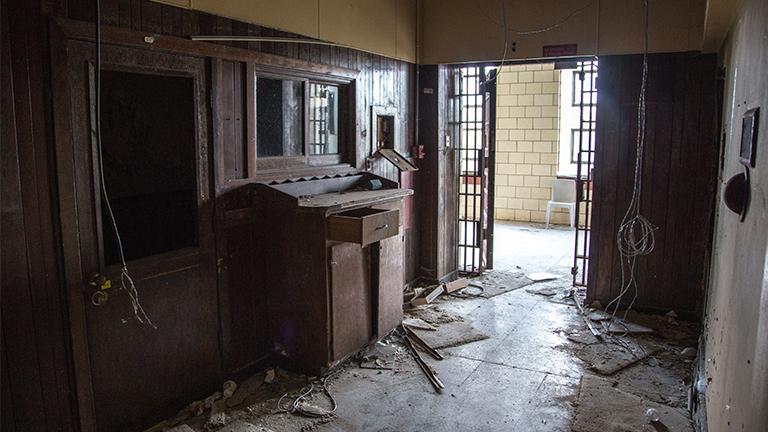
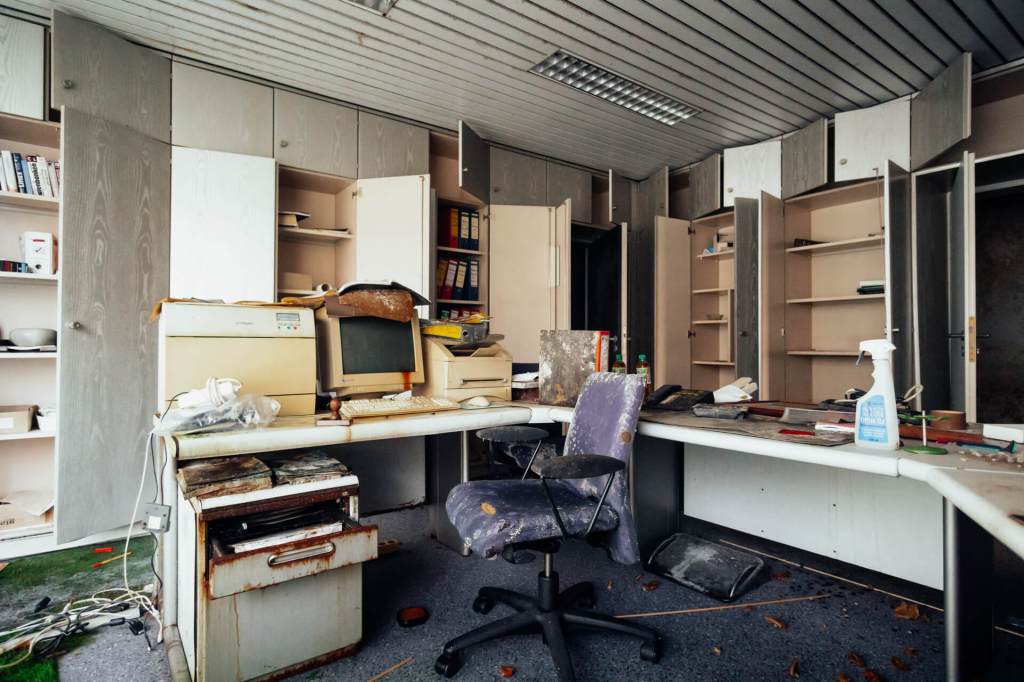
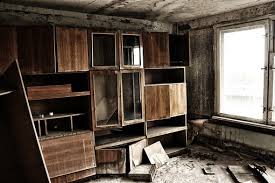
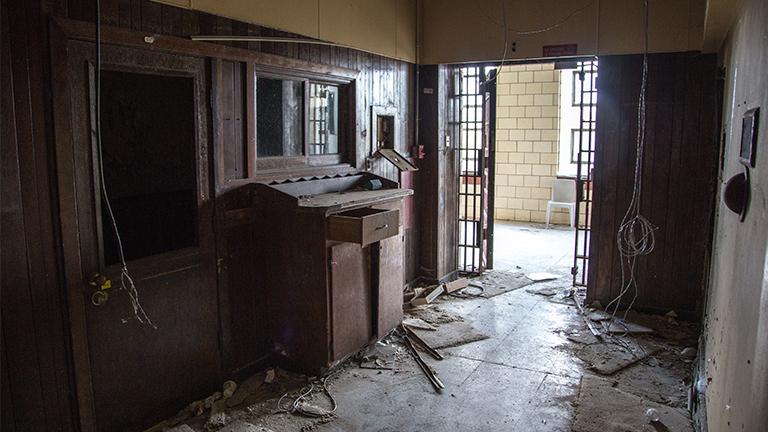
All the images i sourced in my work were related to what i wanted to achieve with in my environment and interface, ranging from; real life examples of abandoned buildings (Chernobyl), Googie style architecture (similar to the buildings in Fallout 4, and its 80s futuristic design) these and the mood boards i compiled together were fit for purpose and aided my design process.
I used the tools available to me in cinema4d to speed up the modelling process such as, one technique i came across was using the pen tool and lathe tool to creating certain objects which would take longer to create if i modeled them out of cubes and spheres for example.
I didn’t have anything planned out i just used lesson time and spare time in the evenings after college if i had anything to finish off.
I believe my creative ability was highlighted the most when i was creating the story behind the game, setting the scene for the game/ environment.
Although i kept the genre of the game the same the environment went through changes as i came to deciding what the final scene was to look like.
The main difficulty i ran into when i was first developing my assets was getting used to the modelling software and getting familiar with all the different tools and texturing possibilities i could experiment with.
The professional work id be comparing my product to would be the games which i took inspiration and reference from in the early development stages (The Last of Us and Fallout 4).
Im happy with how my recorded sounds turned out once edited, considering that Id never used Logic Pro before, or had a lesson on it before I experimented on my sounds.
The main tool at my disposal for editing the sounds i recorded was Logic Pro on the Macs. However I had the choice between recording my sounds with a microphone set up or using my phone, I decided to use my phone as I knew id be recording all my sounds at home, so the circumstances didn’t allow for me to use anything else, although I recorded on my phone I’m happy with the raw audio quality as any background noise or muffle would’ve been removed using editing.
My main challenge was using the sound editing software itself as it was completely new to me, so I had help from my peers for understanding the basics of it.
The only limitation I ran into was with one of the sounds I required which was for the Geiger counter, this sound effect was of when radioactive emissions are being detected, I struggled to think of a substitute for the sound or a different way I could’ve created the sound artificially so it was my best interest to find the sound effect online and download it.
When I made the decision to use my phone to record the audio I thought that id be sacrificing the quality of the recording but the only impact I noticed were the positives to using a phone instead. Using my phone to record made uploading the sounds to the Macs easier as i didn’t need to mess around with SD cards I could just air drop the recordings straight to the computer instantly and begin editing them.
My strongest area I believe was task 3, the planning and organisation before I even began recording, I had created my synopsis early on into the project giving myself more time for recording.
There is definitely room for improvement for when I am brain storming for future projects as I feel as though I didn’t do enough brainstorming or go into it thoroughly enough.
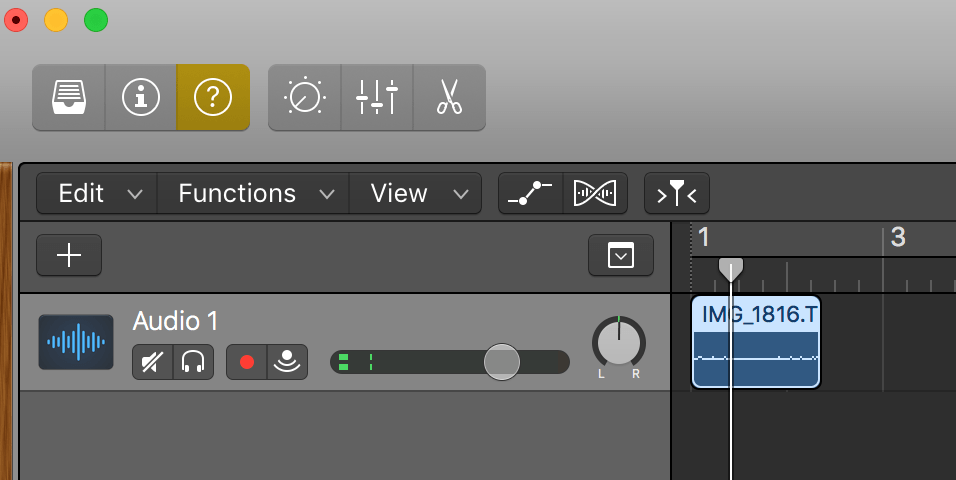
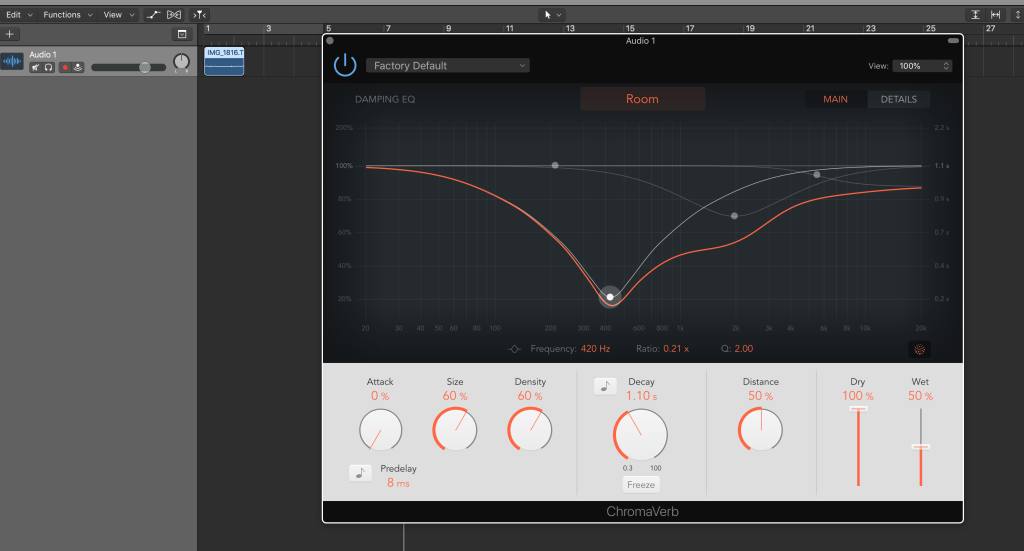
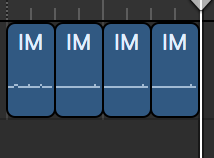
2. Editing the Geiger counter sound effect
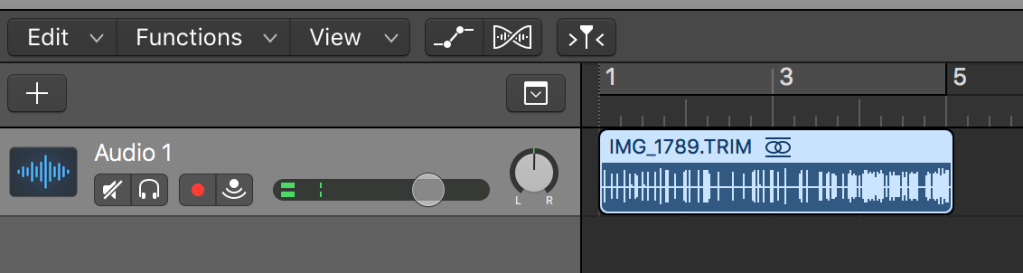
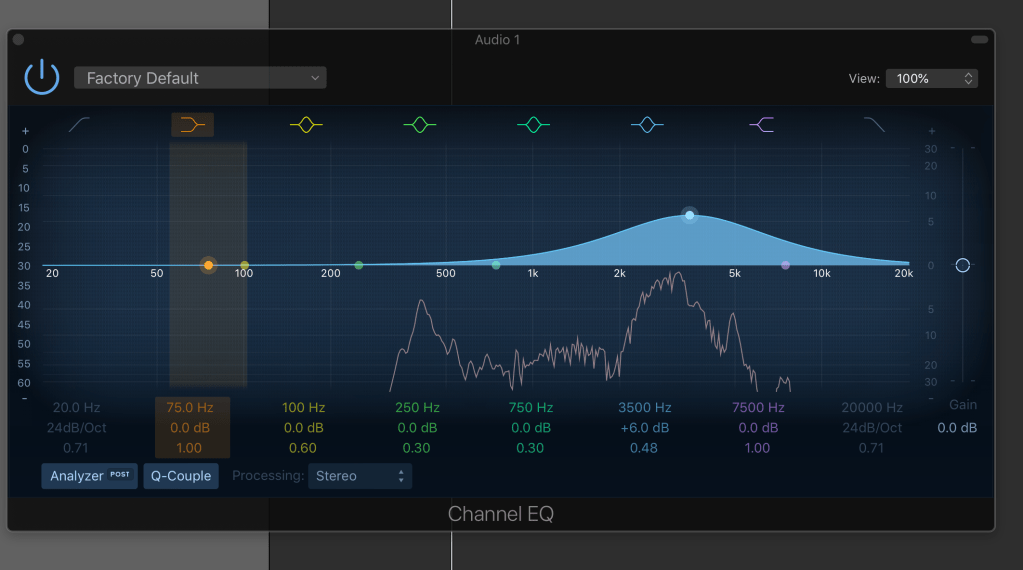
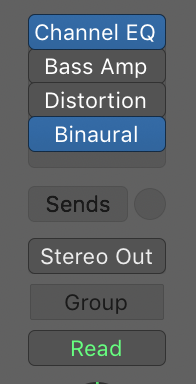
Image reference for level design.
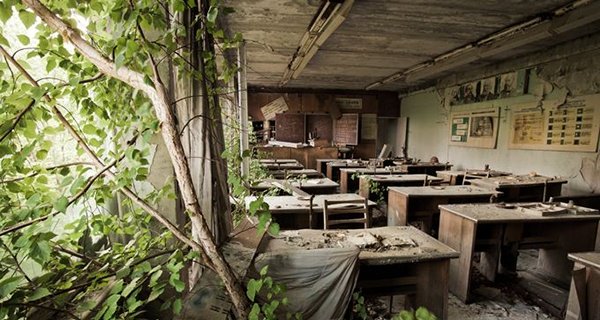
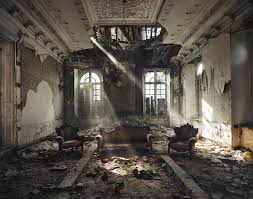
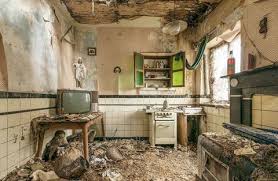
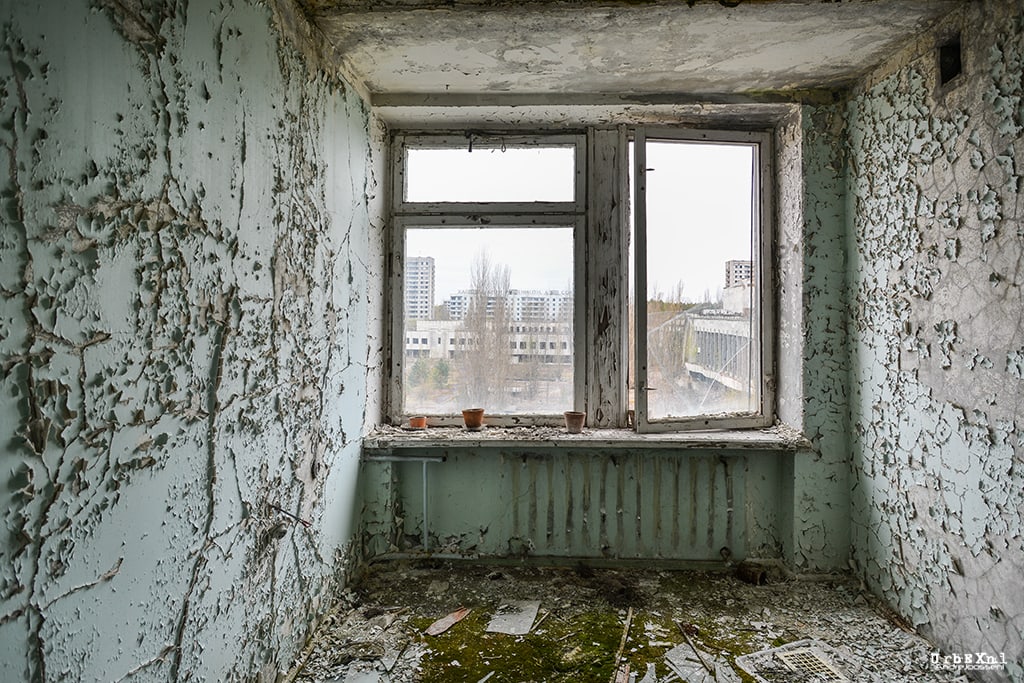
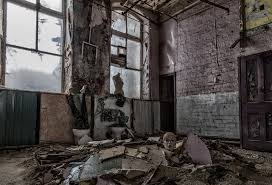
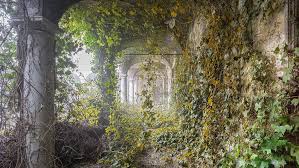
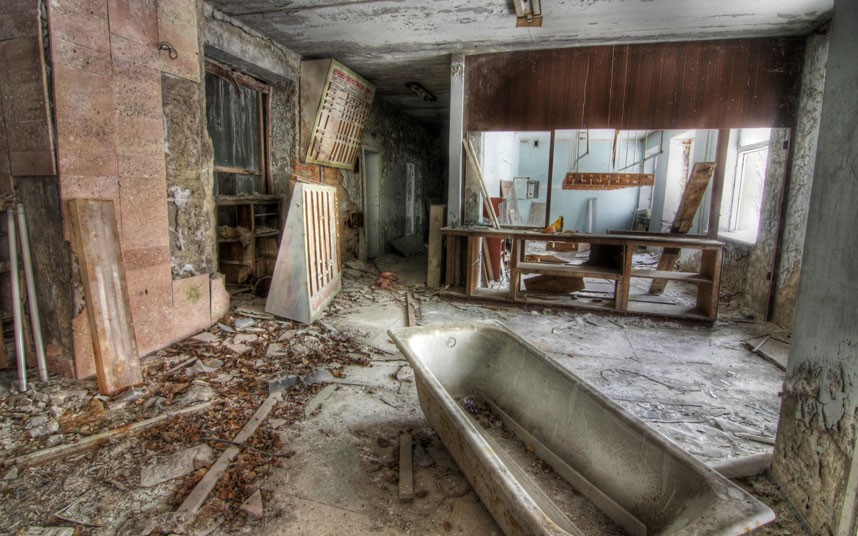
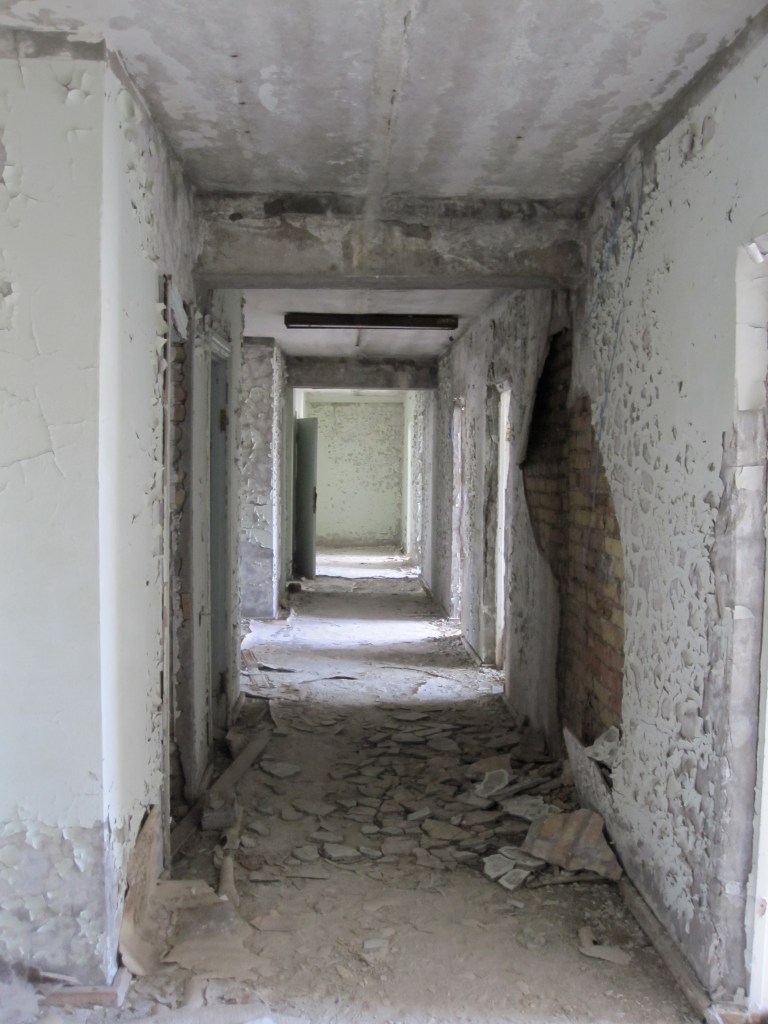

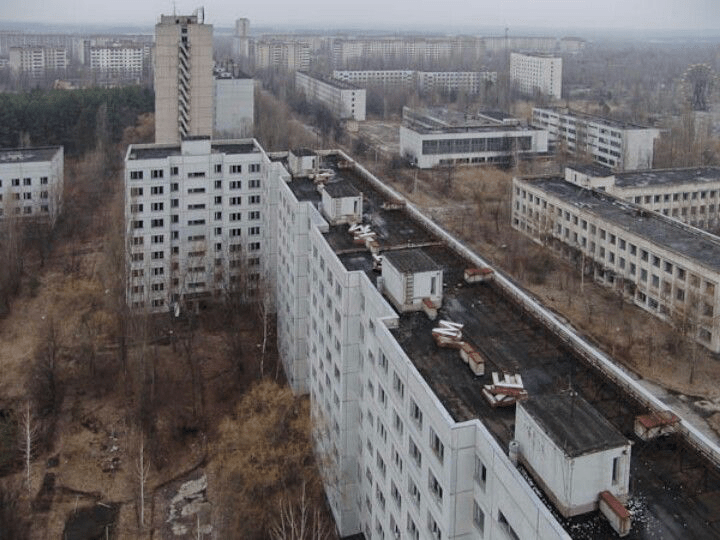
Lighting reference.
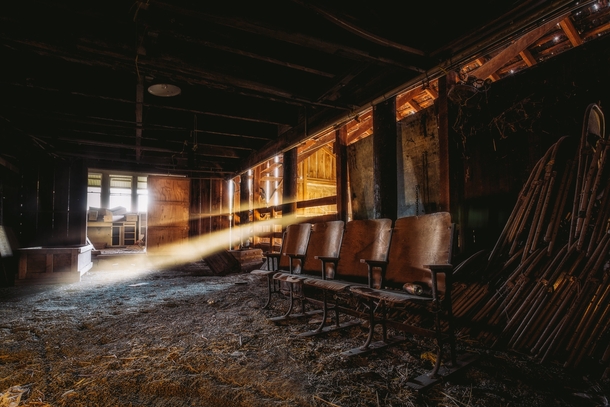
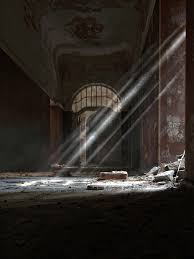
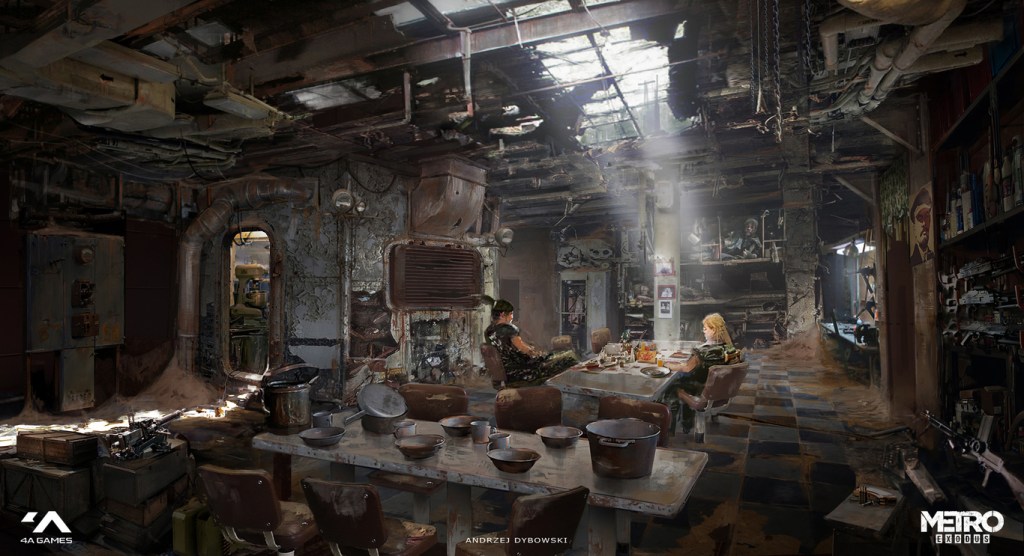
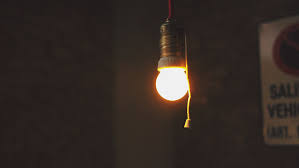
Asset reference.
Developing the lighting technology for The Last of Us
Engine programmer at Naughty Dog-Michał Iwanicki
Since The Last of Us takes place in a post-apocalyptic world, there’s almost no electricity, therefore theres no artificial light sources. Because of this the majority of the lighting in the game comes from the sun and the sky, so most of the environments are lit just by bounce lighting. “There was a very strong art direction: we wanted to show the beauty of this lighting, its softness, how it interacts with different surfaces, the soft shadows it creates.”

Although, all the lighting is very soft, there is still a very clear view of all the surface details.
Character interactions with lighting
Its very important that a character casts a believable shadow onto the nearby surfaces and objects so that it looks like its an actual part of the environment, not something added later on. (although usually it is)


 Finn's Blog