My plan for this idea is to create a post nuclear war environment, for this ill need to research into various key areas.
Using real life examples for design referencing.
Nagasaki + Hiroshima
Hiroshima
Hiroshima was the city which was the one of the sites to be hit by an atomic bomb on 6th August 1945. This was the first time a nuclear weapon had ever been used; the fireball created by the bomb destroyed 13 square kilometers of the city, and those dead as a result of the fireball numbered up to 180,000.
The impact of the bombing on Hiroshima
Hiroshima was nearby a flat river, with few hills or natural features to limit the blast. The atomic bomb was dropped on the city center, the city center was an area crowded with wooden residential structures and places of business. With these factors meant that the death toll and destruction in Hiroshima was particularly high.
The firestorm caused by the detonation completely destroyed almost 63% of the buildings in Hiroshima and many more were damaged. In total, 92% of the structures in the city were either destroyed or damaged by a blast of fire.
Generally, the estimated amount of deaths caused by the bomb range anywhere between 100,000 and 180,000, this is out of a population of 350,000. Tens of thousands of these deaths happened immediately and many more in the days and months that followed.
What is a nuclear fireball?
After a nuclear detonation, the bomb elites a blast of x-rays, which ionize and heat the surrounding air; that hot bubble of gas is known as a fireball. The hot air is buoyant, so it quickly rises and expands.
Nagasaki
Only three days after the first bombing on Hiroshima, a second atomic bomb was dropped on the city of Nagasaki, killing between 50,000 and 100,000 people.
The impact of the bombing on Nagasaki
Due to the hilly geography of Nagasaki and the bombings focus being away from the city center, the damage from the bombings was limited to Urakami Valley and part of downtown Nagasaki. The center of Nagasaki, the harbor, and the historic district were shielded from the blast by the hills surrounding the river.
Nevertheless, the nuclear bombing did prove devastating, with approximately 22.7% of Nagasaki’s buildings being consumed by flames, but the death toll and over all destruction was a lot less than in Hiroshima. Estimates of casualties from Nagasaki range between 50,000 and 100,000, with many dying instantaneously and others dying afterwards due to burns and radiation.

Effects of a nuclear weapon
Both of these events still resonate to this day and serve as the greatest warning of the devastating effects nuclear weapons have.
As well as the high death toll, those that survived the initial detonated and firestorms quickly became ill with radiation poisoning with symptoms ranging from server burns, hair loss, nausea and bleeding.
When the US dropped atomic bombs on Hiroshima and Nagasaki in Japan, the cities were obliterated. By 1950, over 340,000 people had died as a result and generations were poisoned by radiation.
Effects of a nuclear fireball
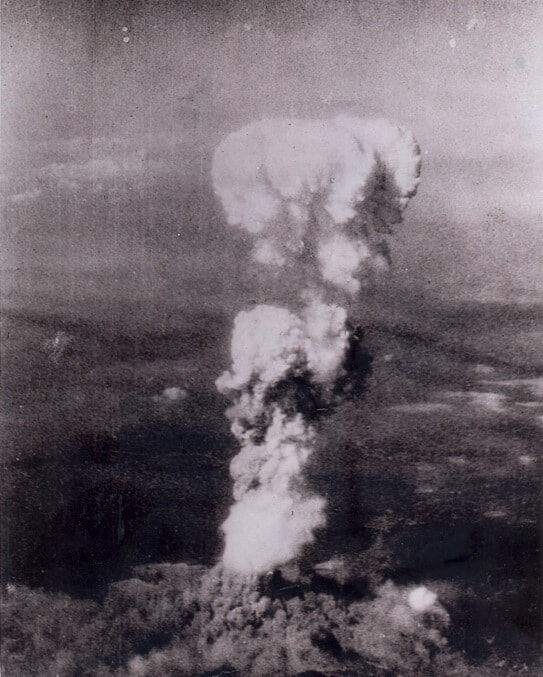
The fireball after detonation causes significant destruction within seconds or minutes. The delayed effects, such as radioactive fallout and other environmental effects, inflict damage over an extended period ranging from hours to years.
One of the surviving buildings in Hiroshima today, the former Army Clothing Depot is one of the largest of 86 existing structures in the city that survived the atomic bomb, according to Hiroshima government.

As you can see the fireball burn the bricks and melted the door, the overgrowth is pale in color too.Proving the fact that most of the wooden houses in the city center at the time wouldn’t of stood a chance.
Research sourced from – Hiroshima And Nagasaki –. [online] Cnduk.org. Available at: <https://cnduk.org/resources/hiroshima-and-nagasaki/> [Accessed 10 March 2020]. https://cnduk.org/resources/hiroshima-and-nagasaki/
The effects of Nuclear weapons
Nuclear explosions produce both immediate and delayed destructive effects. Blast, thermal radiation and prompt ionizing radiation cause significant destruction within seconds. The delayed effects, such as radioactive fallout and other environmental effects, inflict damage over an extended period ranging from hours to years.
Nuclear Winter
A nuclear winter would occur when a giant dust/soot cloud caused by a nuclear bomb detonation would block out the sun, casting that area of the world into darkness and plummeting temperatures
The giant thick black soot clouds created by a nuclear bomb detonation would block out all but a fraction of the suns light for a period weeks, casting the world into darkness and plummeting surface temperatures between 11° to 22°.
Tsutomu Yamaguchi’s personal account
Tsutomu Yamaguchi was one of the few survivors of both the Hiroshima and Nagasaki atomic bombings during the second world war. Although many people are known to of survived the bombings, Tsutomu Yamaguchi is the only person recognized by the Japanese government to of done so.
Hiroshima Bombing
On the day of the Hiroshima Bombing, he was walking towards the docks when the American bomber dropped the Little Boy atomic bomb near the center of the city, just 3 km away from the harbor. Yamaguchi recalls seeing the aircraft and two small parachutes, before there was a “great flash in the sky, and i was blown over”.He claims that the explosion ruptured his eardrums, blinded him temporarily and left him with serious burns all over the left side of his body. He then crawled to a shelter and, rested, and then set out to find his colleagues.
Nagasaki Bombing
This time when the American bomber dropped the Fat Man over Nagasaki, Yamaguchi was describing the blast in Hiroshima to his supervisor, this time when the atomic bomb detonated, Yamaguchi was unhurt by the explosion.
Concept images for what a nuclear winter might look like
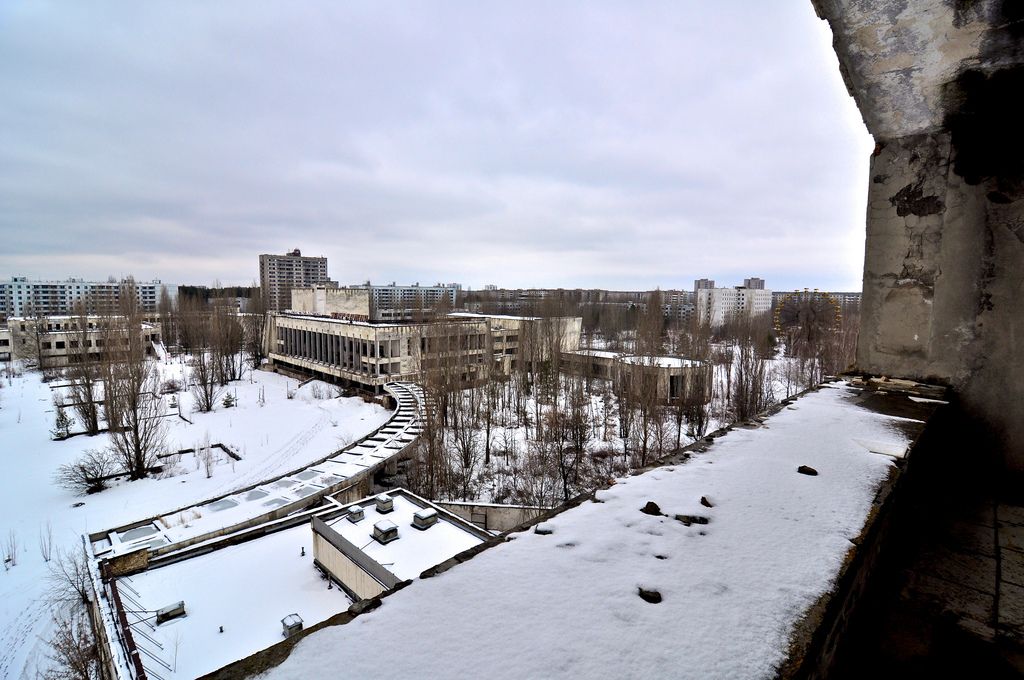
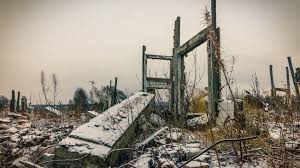
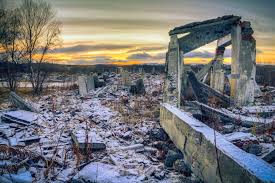
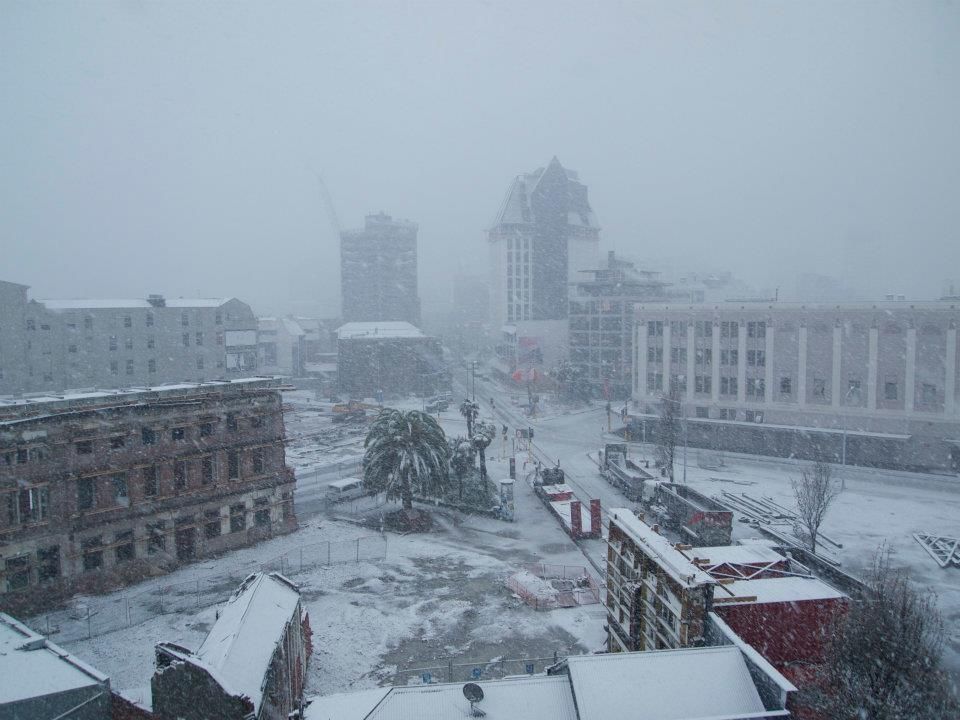
Official definition: “a period of abnormal cold and darkness predicted to follow a nuclear war, caused by a layer of smoke and dust in the atmosphere blocking the sun’s rays.”
Chernobyl Accident 1986
The accident happened to the result of a flawed reactor design that was being operated by inadequately trained personnel. The flawed design was a direct consequence of the isolation caused by the Cold War, resulting in a lack of any safety culture. The steam explosion and fires released at least 100 radioactive elements into the surrounding towns and cities.5% of the radioactive reactor core into the atmosphere. Two Chernobyl plant workers died on the night of the accident, and a further 28 people died within a few weeks as a result of intense radiation poisoning.
Research sourced from – World-nuclear.org. 2020. Chernobyl | Chernobyl Accident | Chernobyl Disaster – World Nuclear Association. [online] Available at: <https://www.world-nuclear.org/information-library/safety-and-security/safety-of-plants/chernobyl-accident.aspx> [Accessed 10 March 2020].
What is Chernobyl like today?
Pripyat, home to around 50,000 people and located only 1.8 miles away from Chernobyl, was evacuated. However, this evacuation didn’t occur until 36 hours after the explosion. Many didn’t understand the severity of the disaster and thought they’d only be gone for a few days. They were not allowed to bring many belongings with them, including family pets, due to fear of contamination. Their hasty exit left behind a town hat today seems frozen in time: a doll lying on rusted play equipment, supermarkets taken over my nature and a Ferris wheel halted for good.
In the weeks and months that followed the plant explosion, an estimated 120,000 to 200,000 people in total were evacuated over a region known as the Chernobyl Exclusion Zone, which covers everything within an 18.5 mile radius.

Research sourced from – Stierwalt, S., 2020. What Is Chernobyl Like Today?. [online] Quick and Dirty Tips. Available at: <https://www.quickanddirtytips.com/education/science/chernobyl-today> [Accessed 10 March 2020].
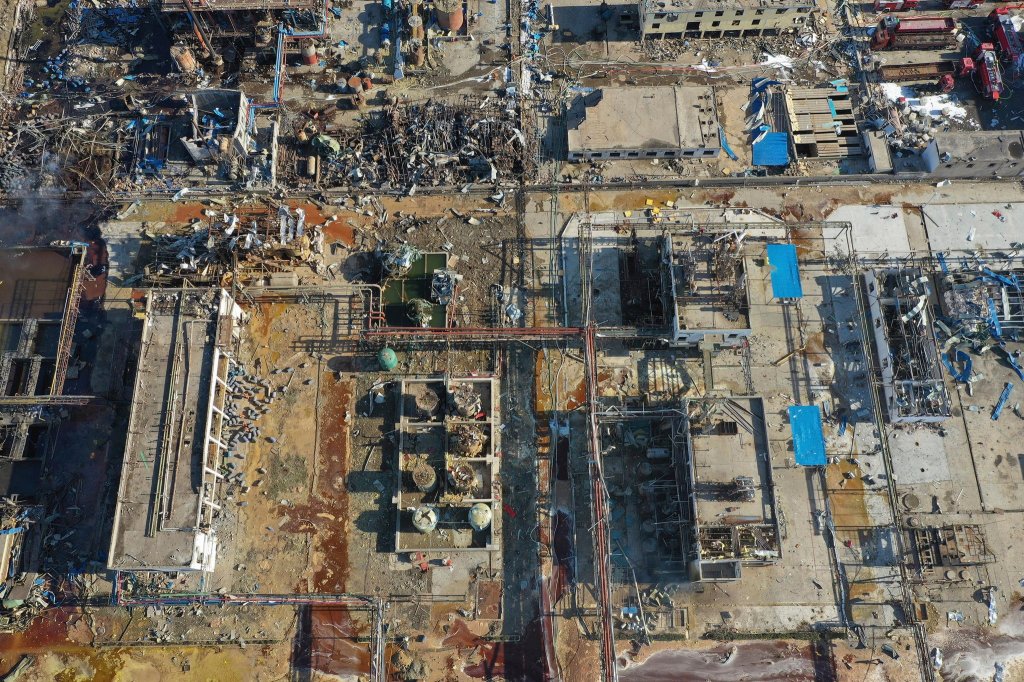
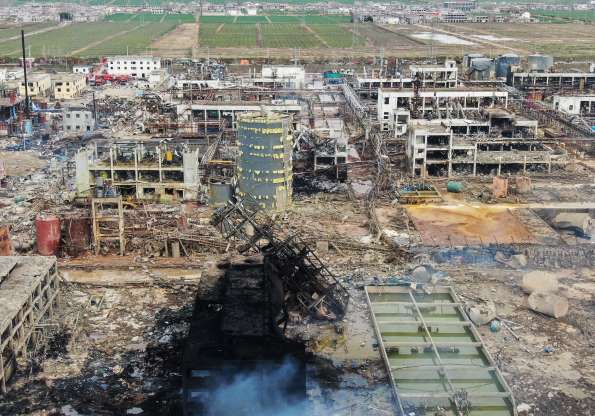
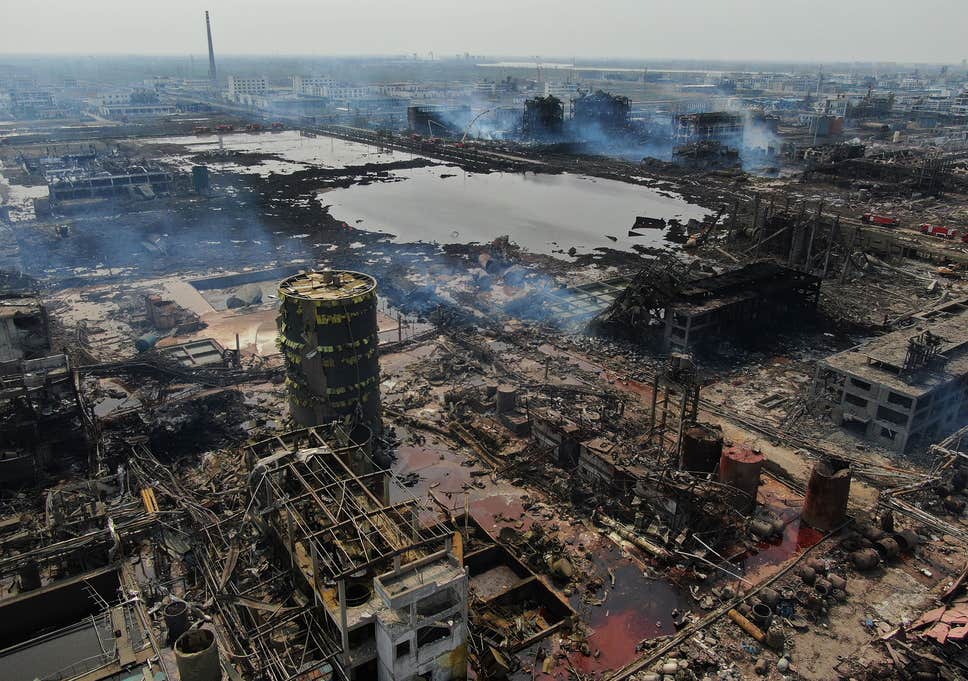
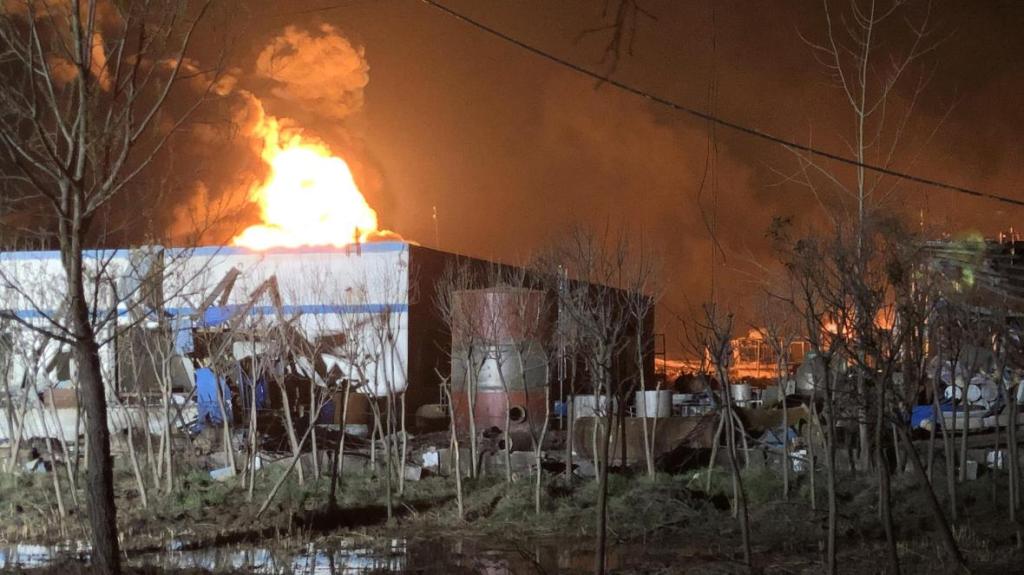
Xiangshui chemical plant explosion
So far there hasn’t been a given explanation for what caused the accident to happen.Just over 4,000 workers and residents were forced to evacuate after the blast, officials said glass doors and windows have all been shaken out of the poorer houses. With most buildings in the area being deemed uninhabitable.
Gunkanjima, Japan’s ‘Battleship Island’
Hashima was abandoned in 1974 and left to the elements. Storms, time, and decay have resulted in collapsed buildings. The tiny island,became a miniature city, with schools and shops, two public pools and more. Once being inhabited by 5200+ people, it was abruptly abandoned due to coal mining operations declining, leaving the island to battle the elements for decades. The concrete apartment blocks have been left to decay for years. Typhoons took their toll and have caused windows to shatter and walls to crumble, waves have smashed buildings and barriers.
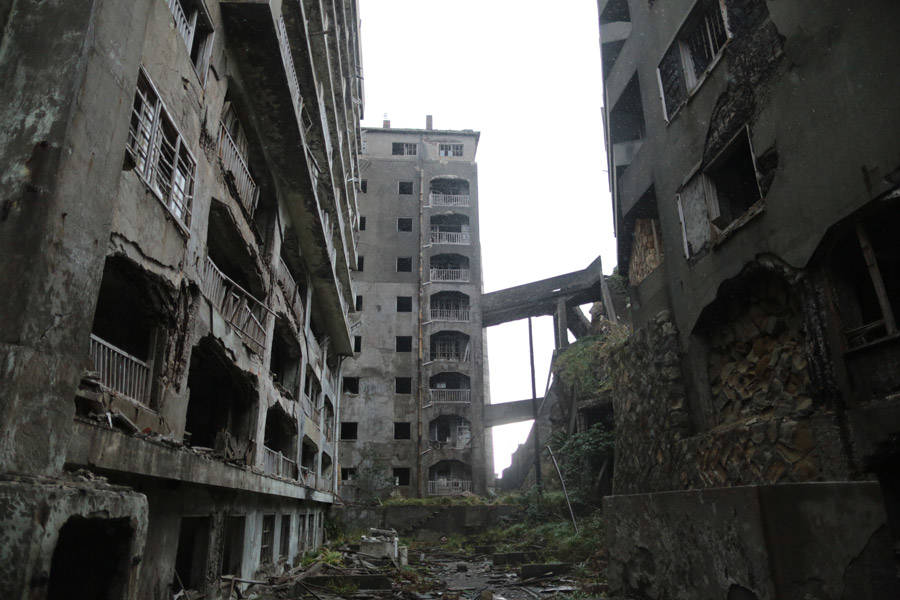
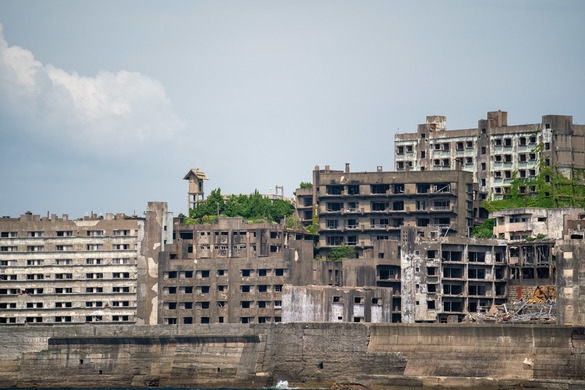
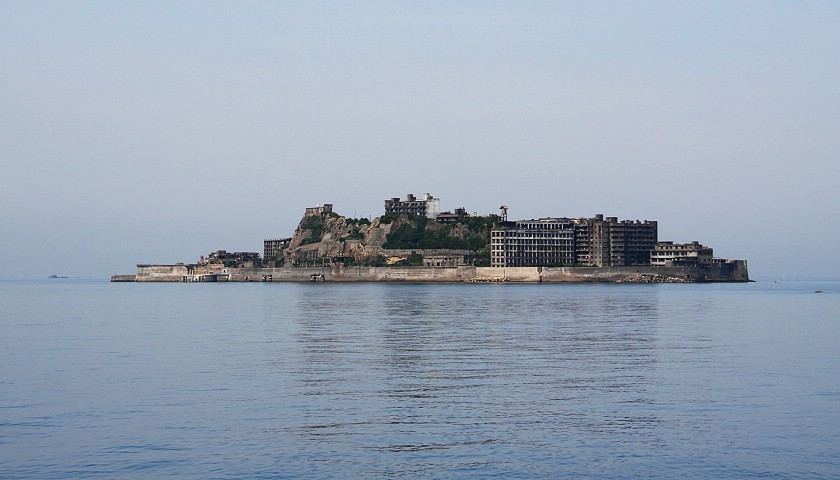
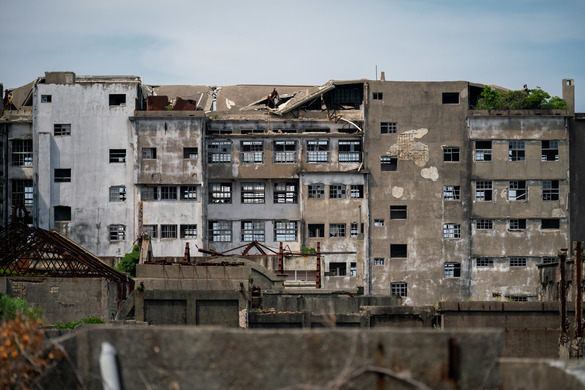
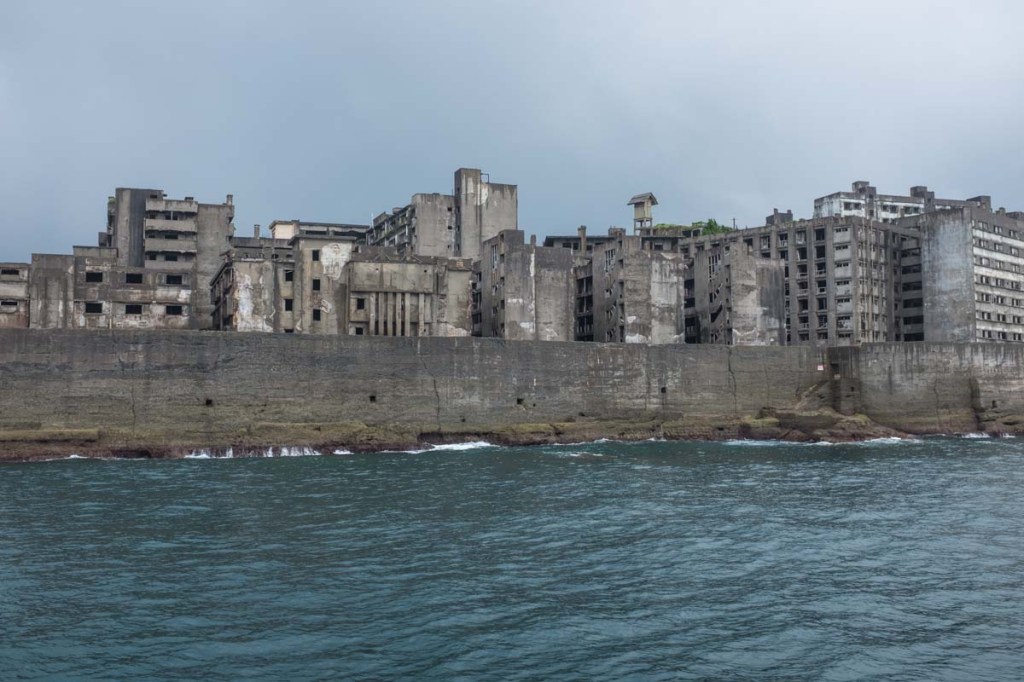
When first inhabited seawalls were built in order to provide protection, but more importantly, they granted more land to build on. They also gave the island a new shape, one of a massive battleship. Hence giving it the nickname, battleship island.
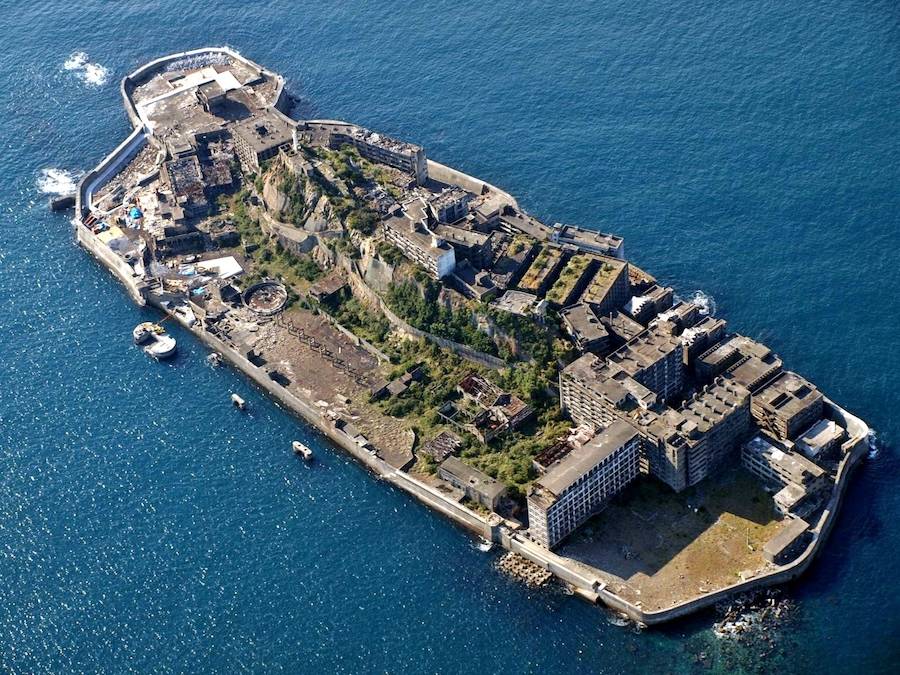
Research sourced from –These Decaying Island Buildings Feel Like Real-World Fallout Game. [online] CNET. Available at: <https://www.cnet.com/news/behold-the-haunting-decay-of-gunkanjima-japans-battleship-island/> [Accessed 10 March 2020].
Games which explore post-apocalyptic scenarios.
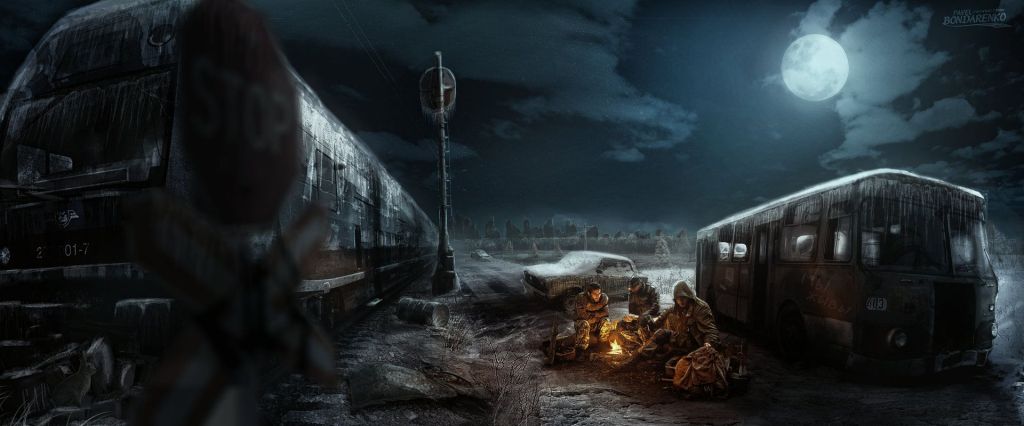
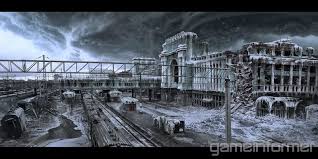
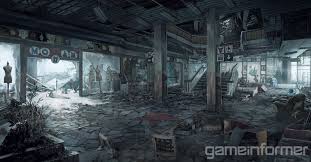
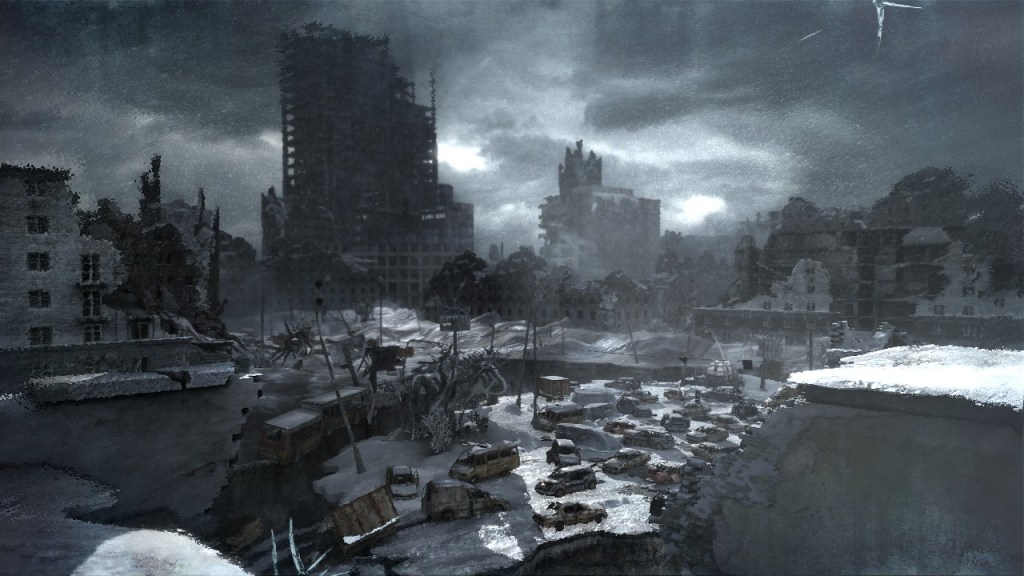
Metro 2033
Set in the ruins of Moscow inside a winter desert waste land, the player is required to wear a gas mask at almost all times throughout the game as the air has become toxic due to humanity dooming itself via nuclear annihilation. Because of this the world is stuck inside a nuclear winter, hence why humanity is now attempting to survive in the underground metro systems of Russia.
Environment concept art for Metro 2033
Fallout 4
Fallout 4 takes place after the events of the Great War in 2077, a war between the United States and China over natural resources, which needed in a nuclear holocaust.
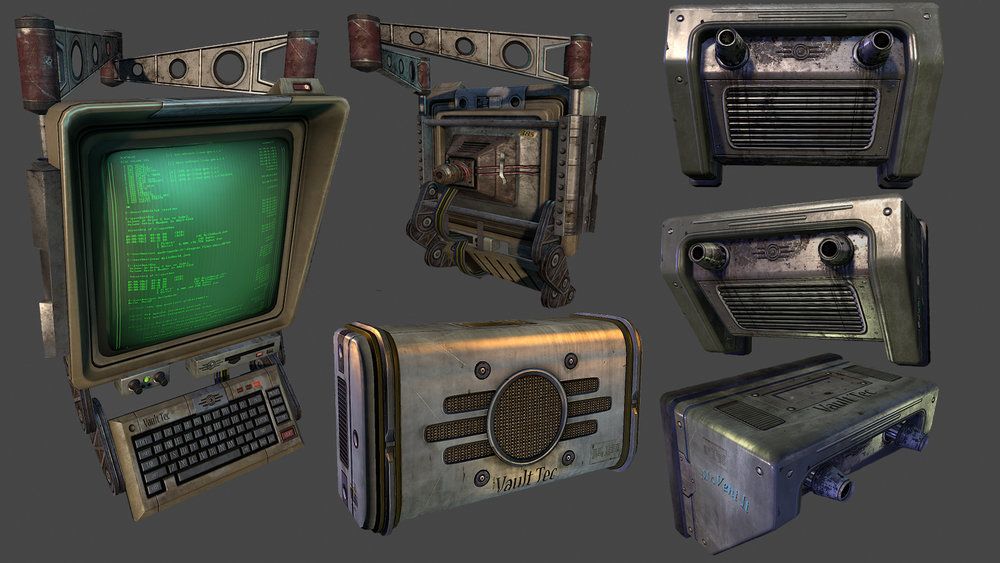
The reason why im using Fallout 4 as an example for this is due to how Bethesda managed to display the before and after destruction of an atomic bomb. The range of destruction makes the game feel more immersive and is something id like to bring across to my game environment when i built it.
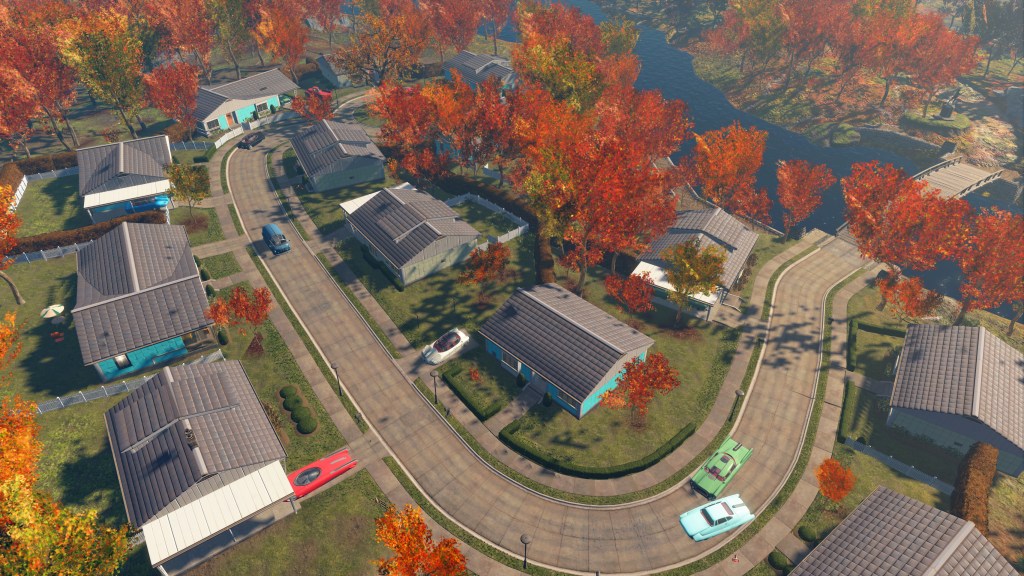
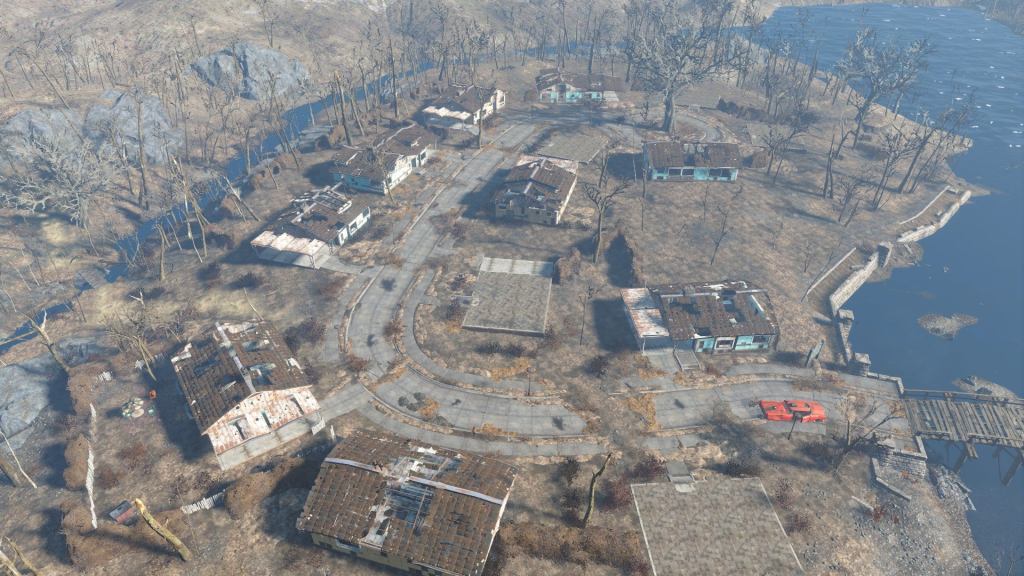
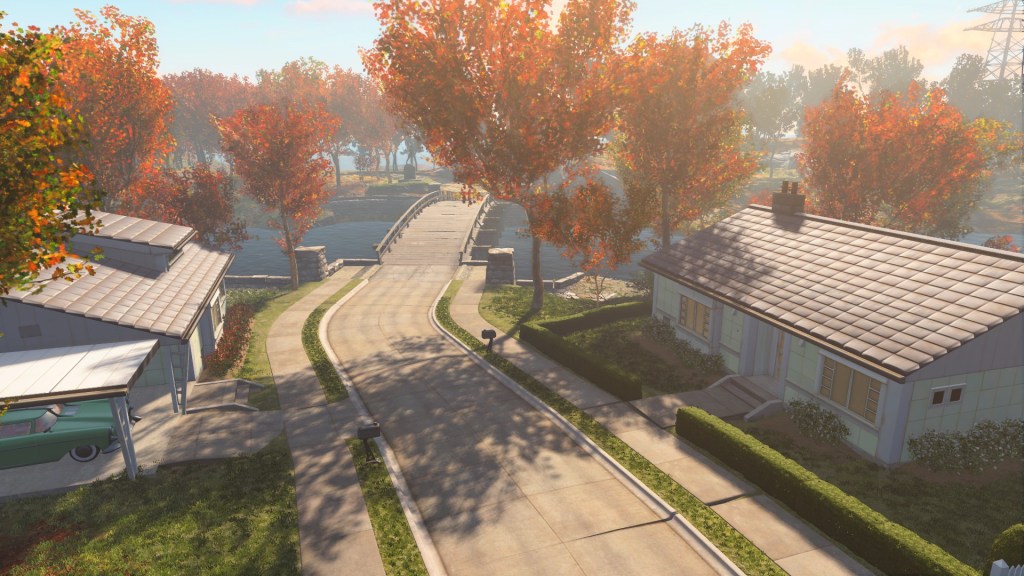
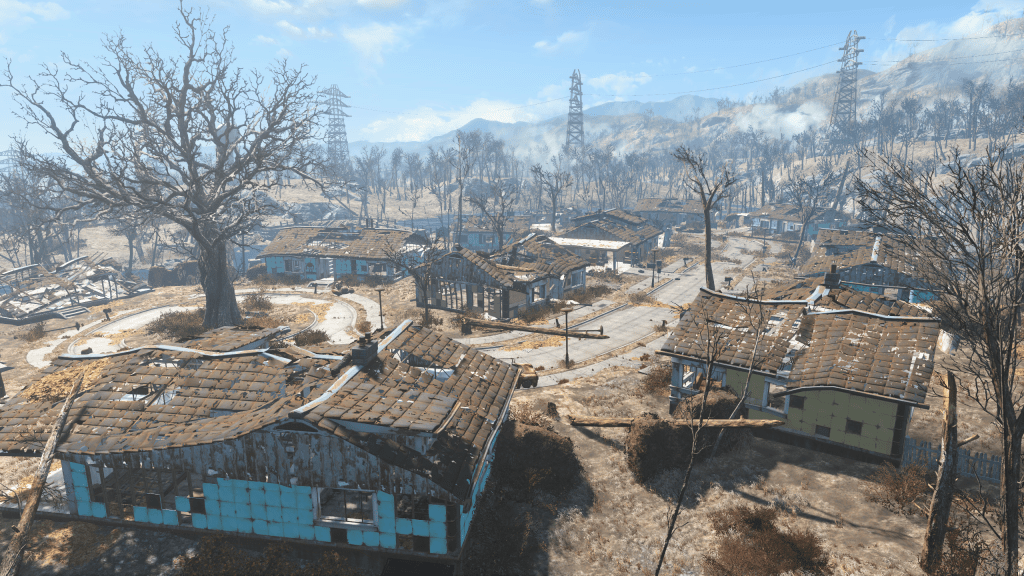
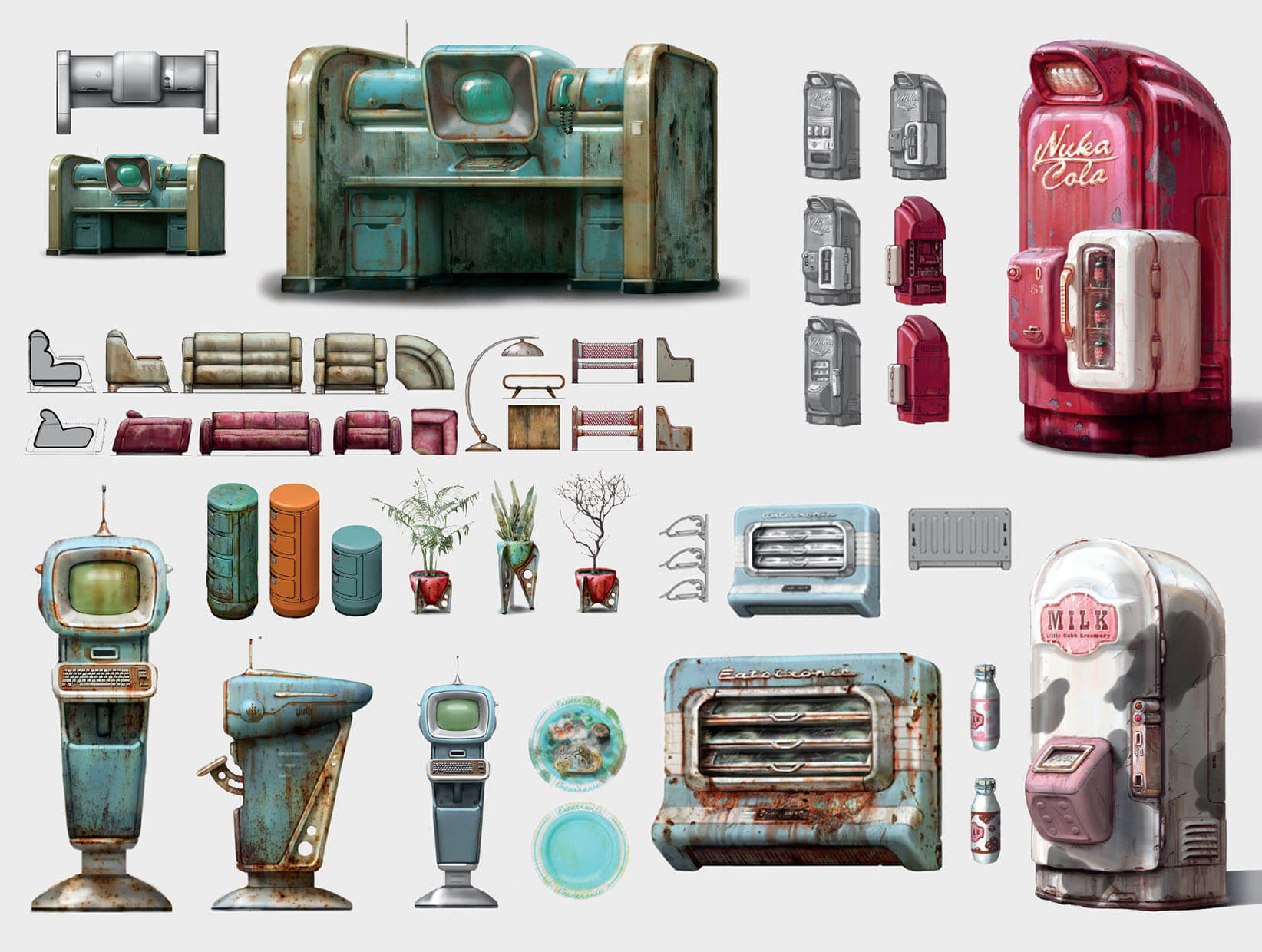
Due to Fallout 4s setting, the architecture is heavily influenced by post-World War II 1950s. Because of this everything inside Fallout 4 feels dated yet futuristic as the game itself is set in 2077 so there has been multiple technical advancements such as the servant robots, met in the first mission of the game before the nuclear attacks were launched.
Post apocalyptic Architecture/Assets
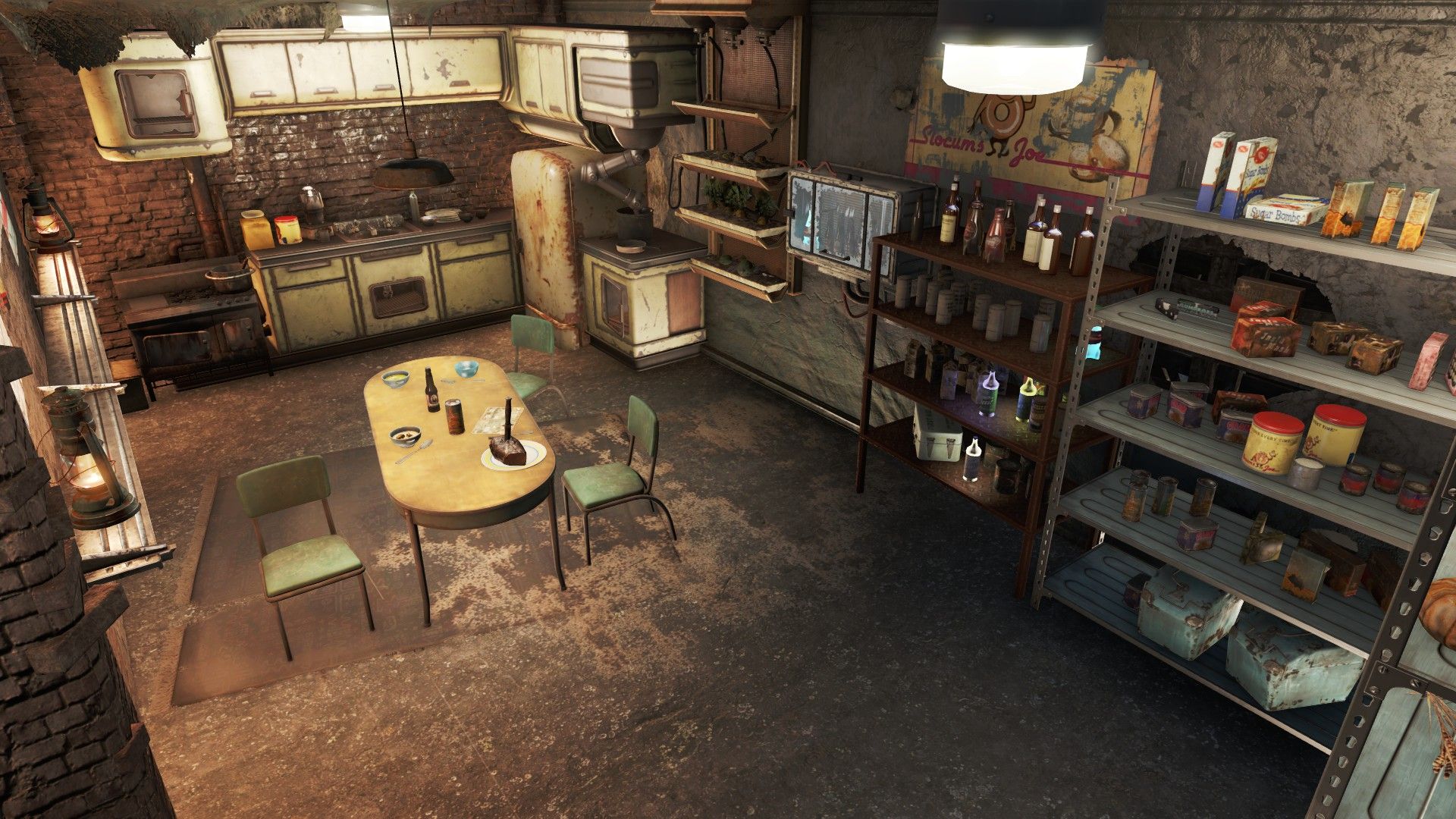
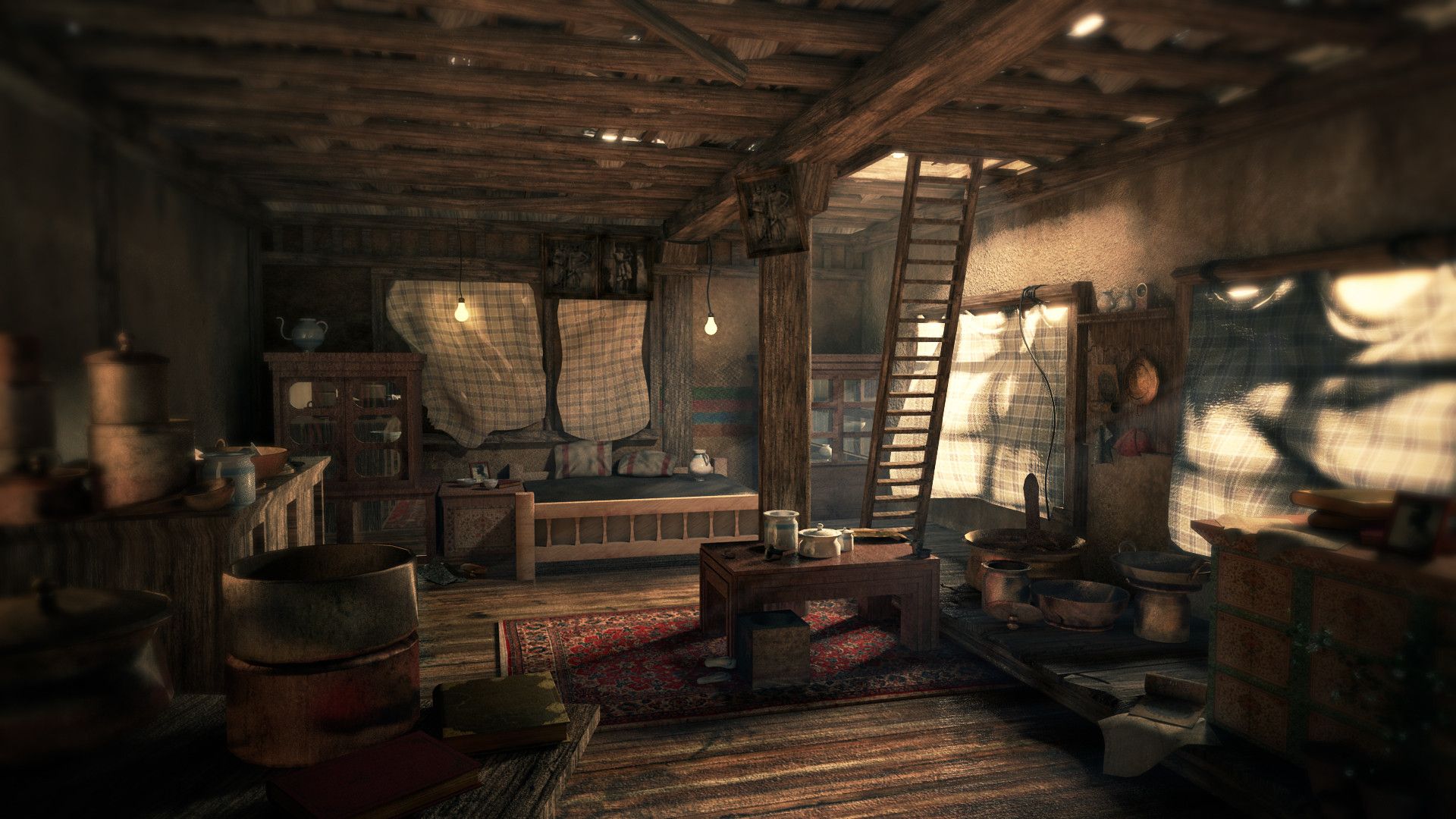
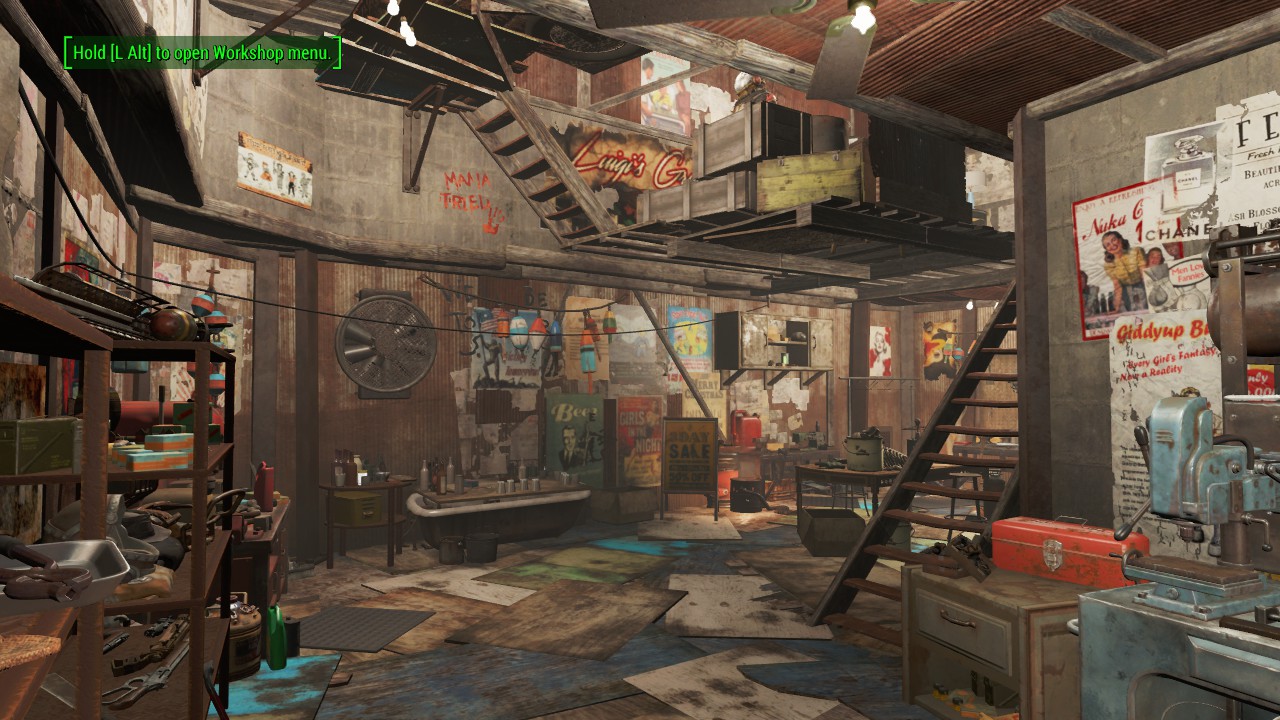
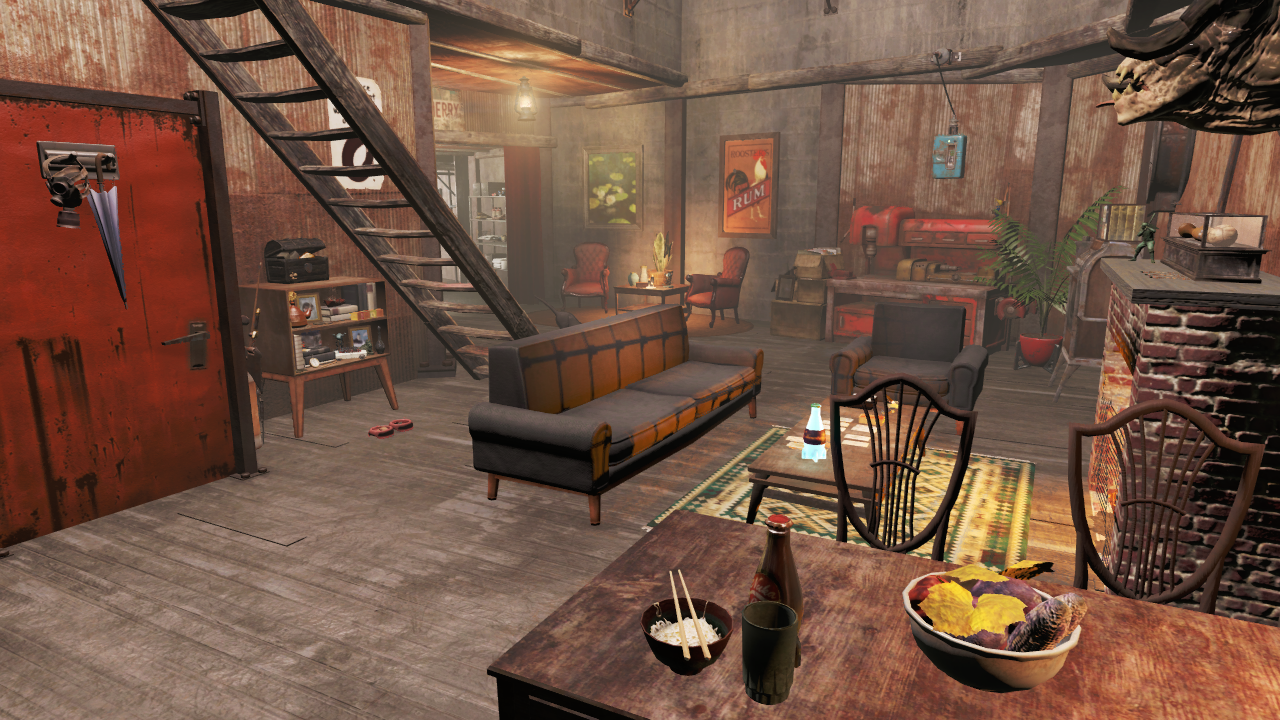
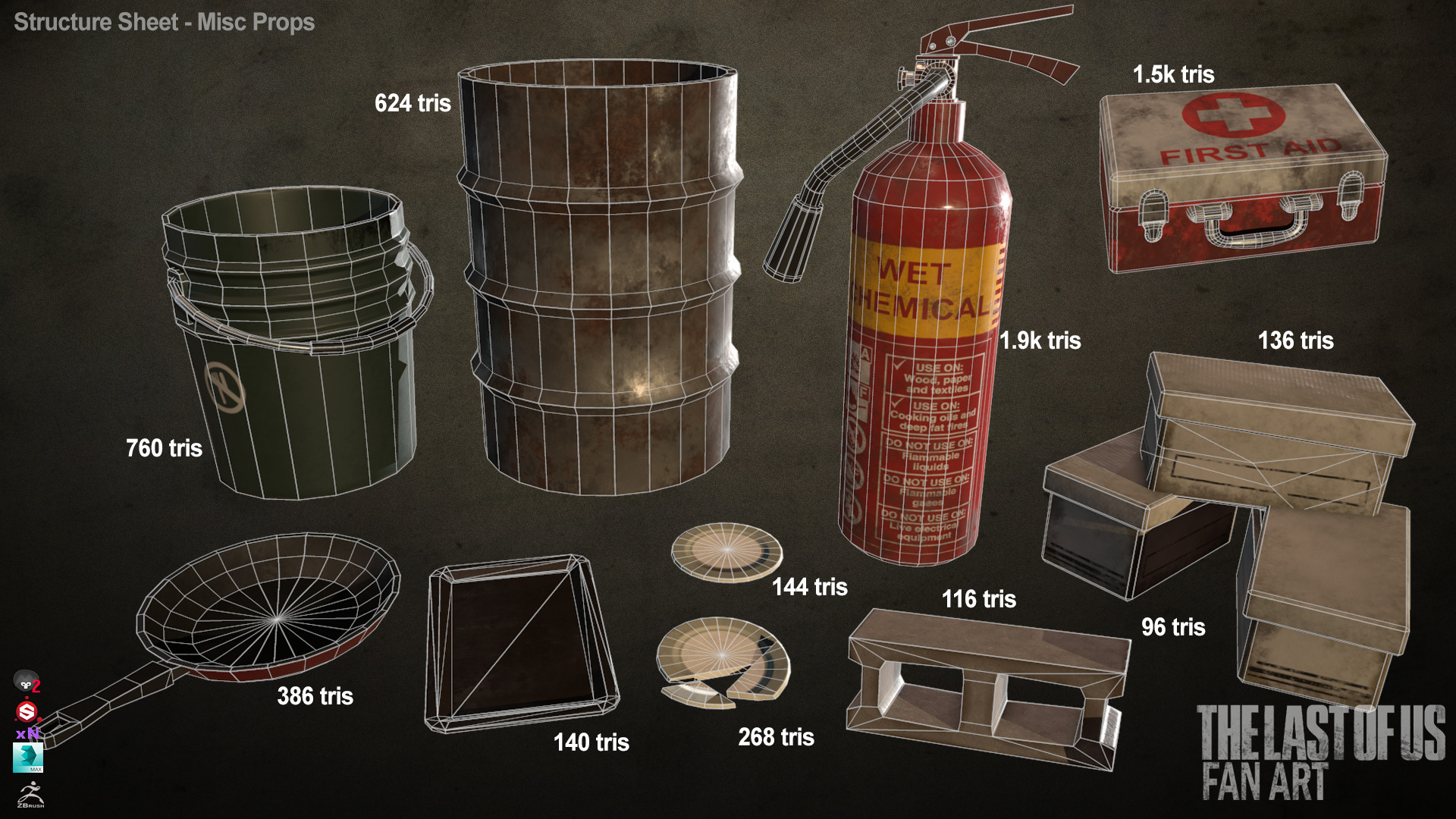
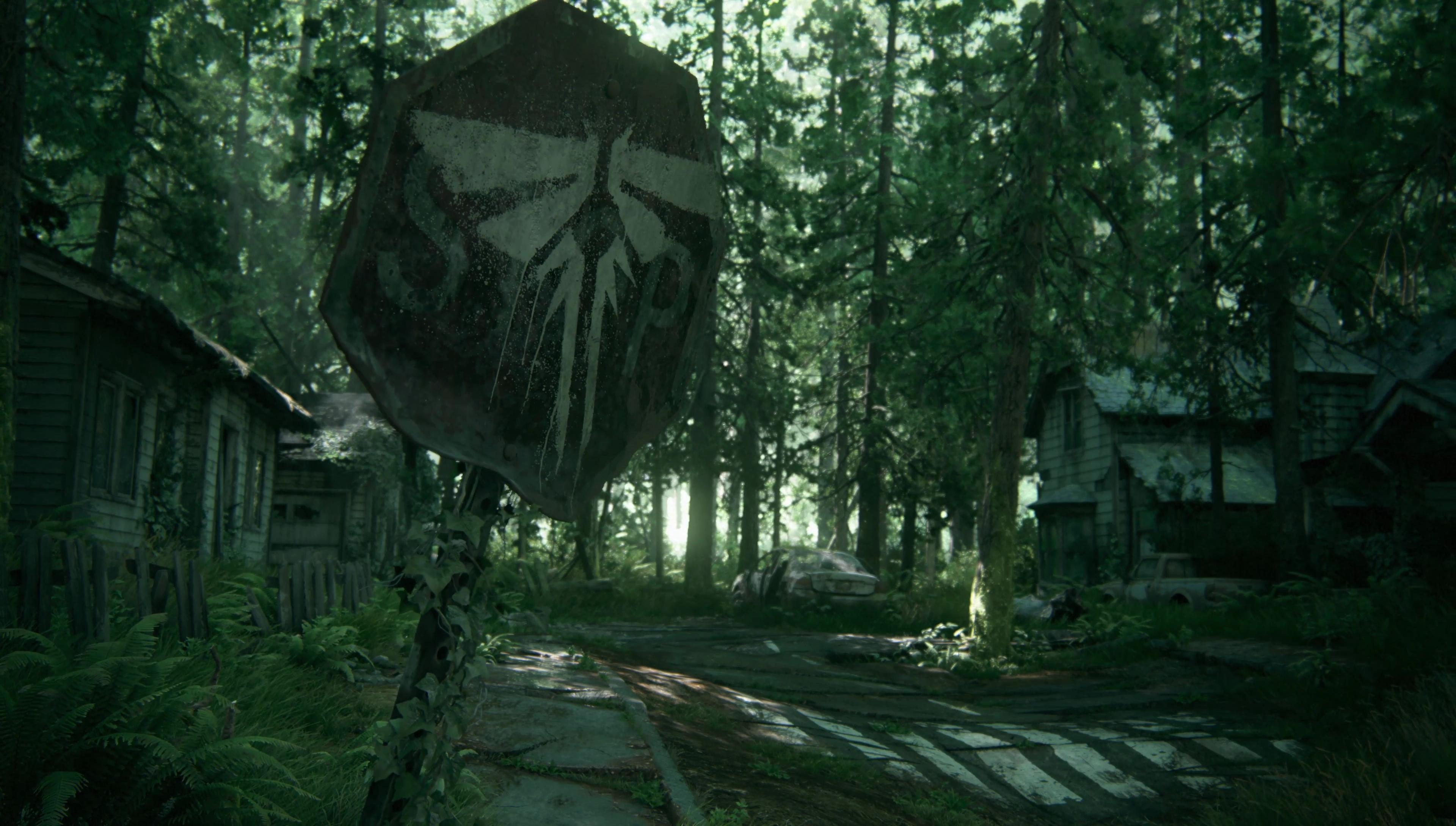
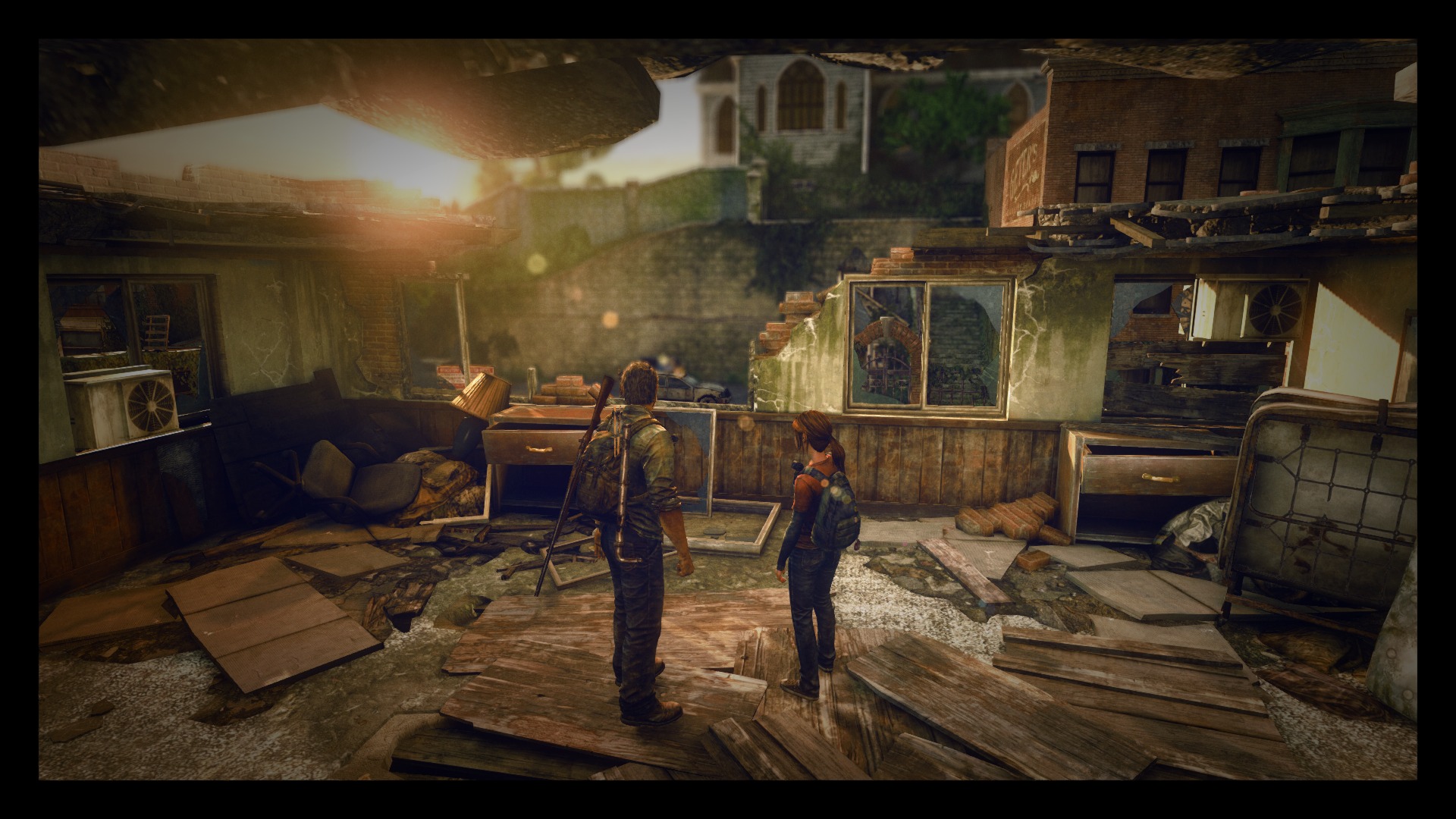
Ill be using these images and many others similar to provide myself with inspiration and ideas for designing/building the rooms i need for house environment .

Post World War II 1950s America
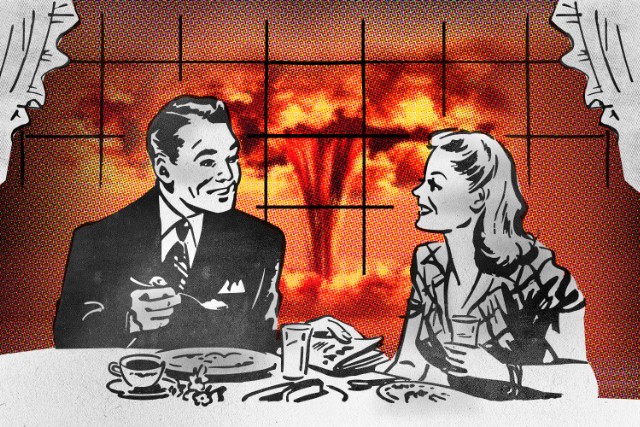
The United States was worlds most advanced and strongest military power.Its economy was booming, and the new cars, suburban houses and other consumer goods were available to more people than ever before.

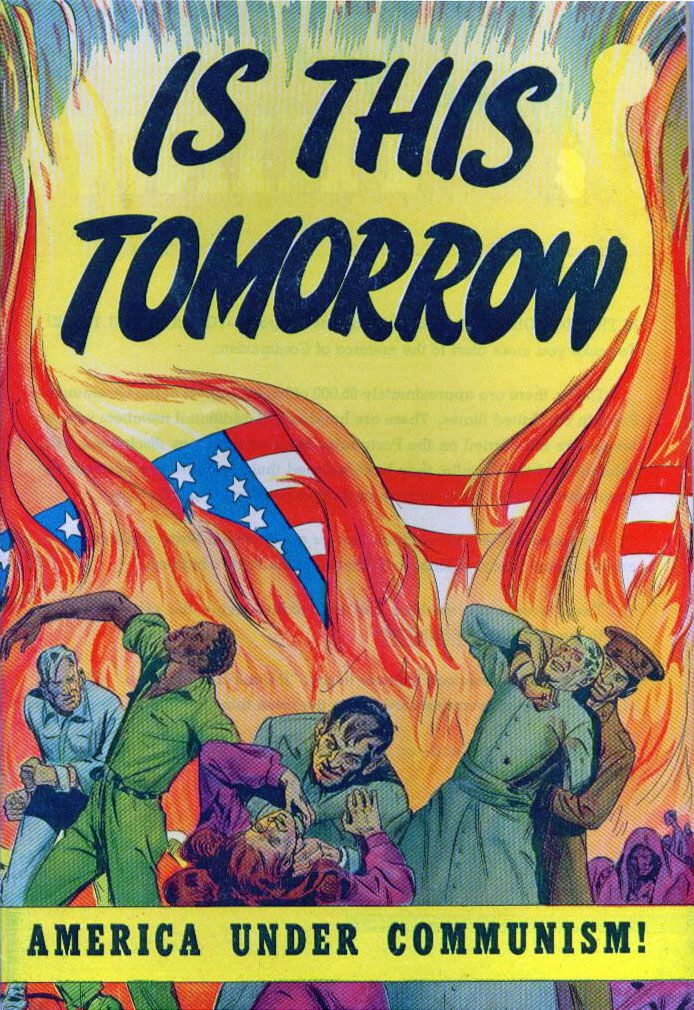
There was an overwhelming fear of a communist invasion and nuclear warfare with Russia throughout the cold war, this is similar to what Fallout 4 bases its game on.
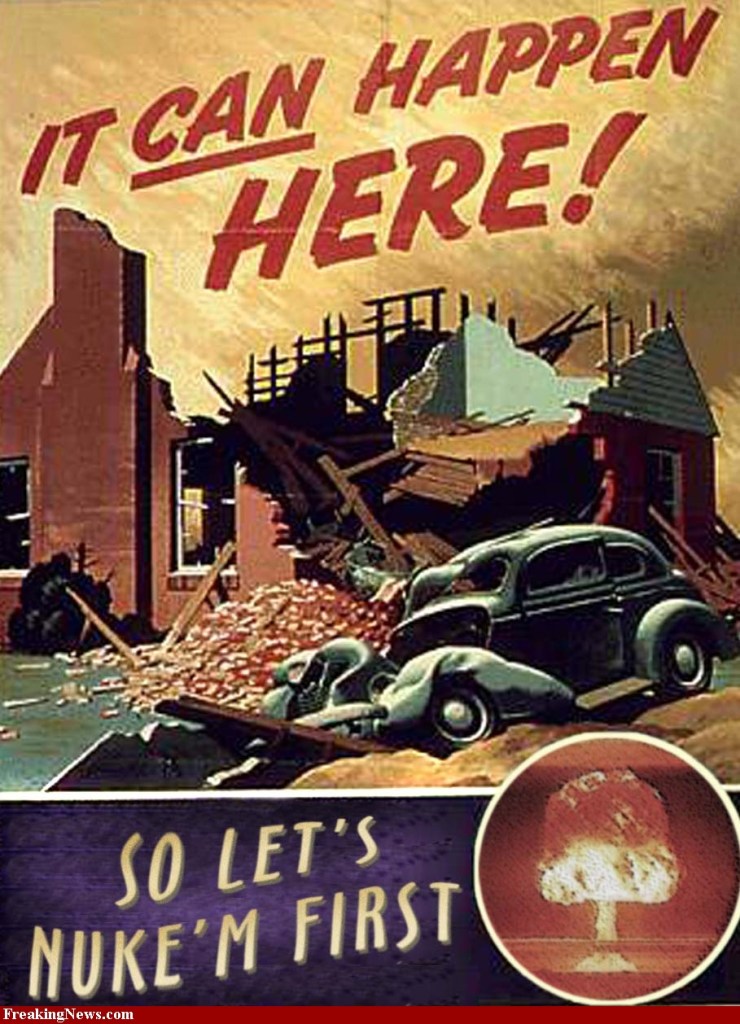
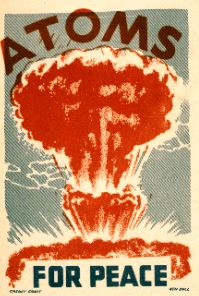
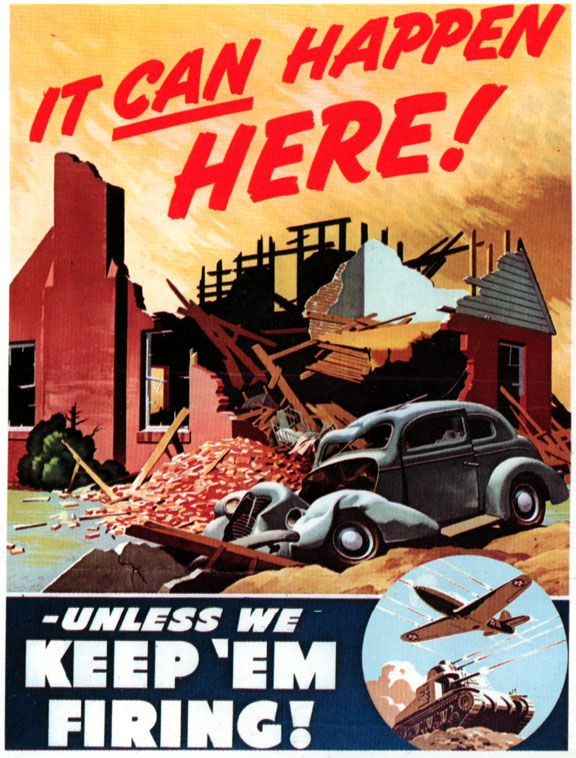
There were a lot of US propaganda produced during this time, similar to when the US was at war during World War II. The posters were very anti communist and anti nuclear war, seeing as the US had just came out of a war, most of society was heavily against it, not to mention the damage the atomic bombs had caused on when dropped over Japan.
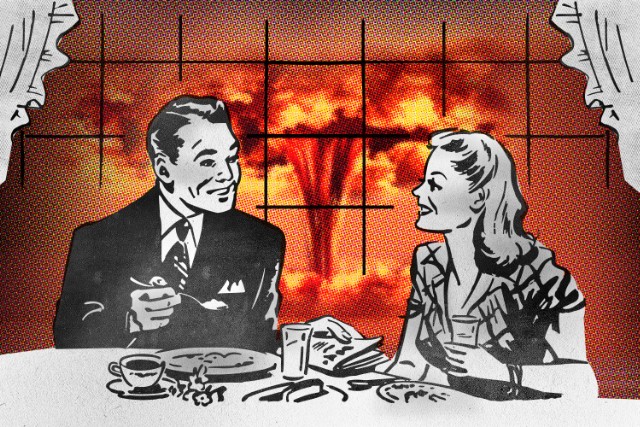
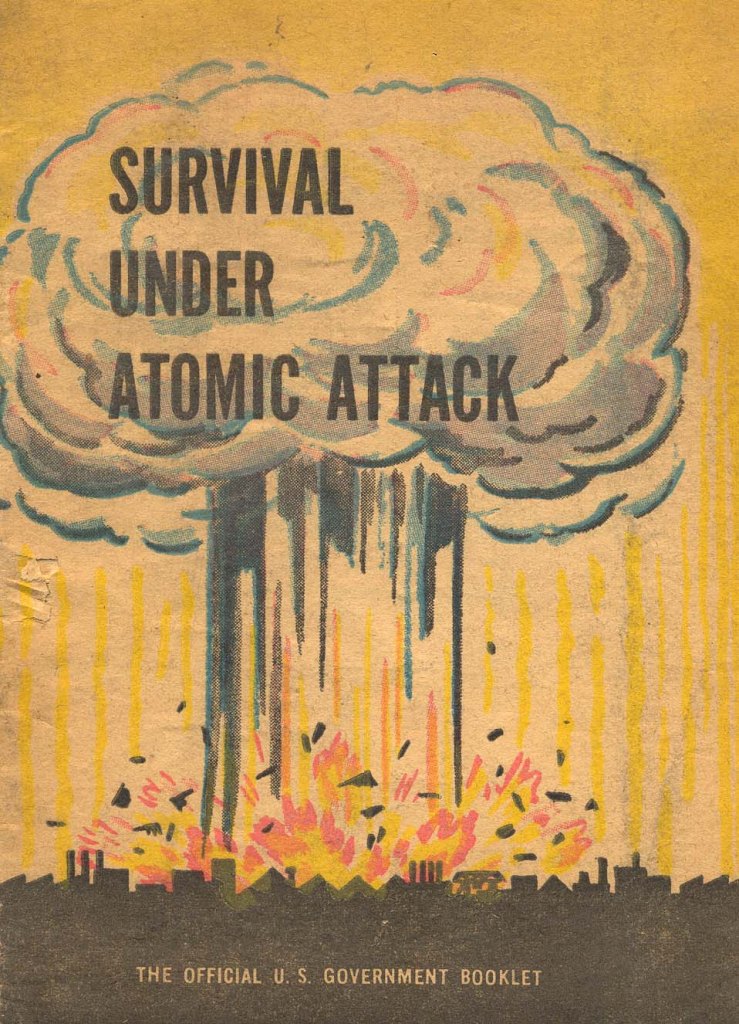
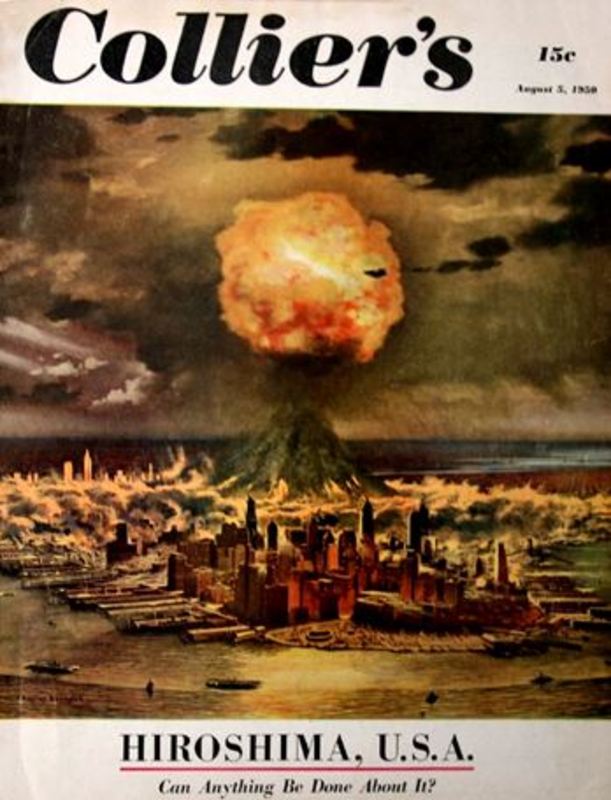
However, not everyone was against another war, in-fact Americans were in support of nuking the east. This was mainly out of fear of American being completely occupied by the Russians.
 Finn's Blog